Reported Drone Attack Restricts 11 Airports, Including All Four in Moscow
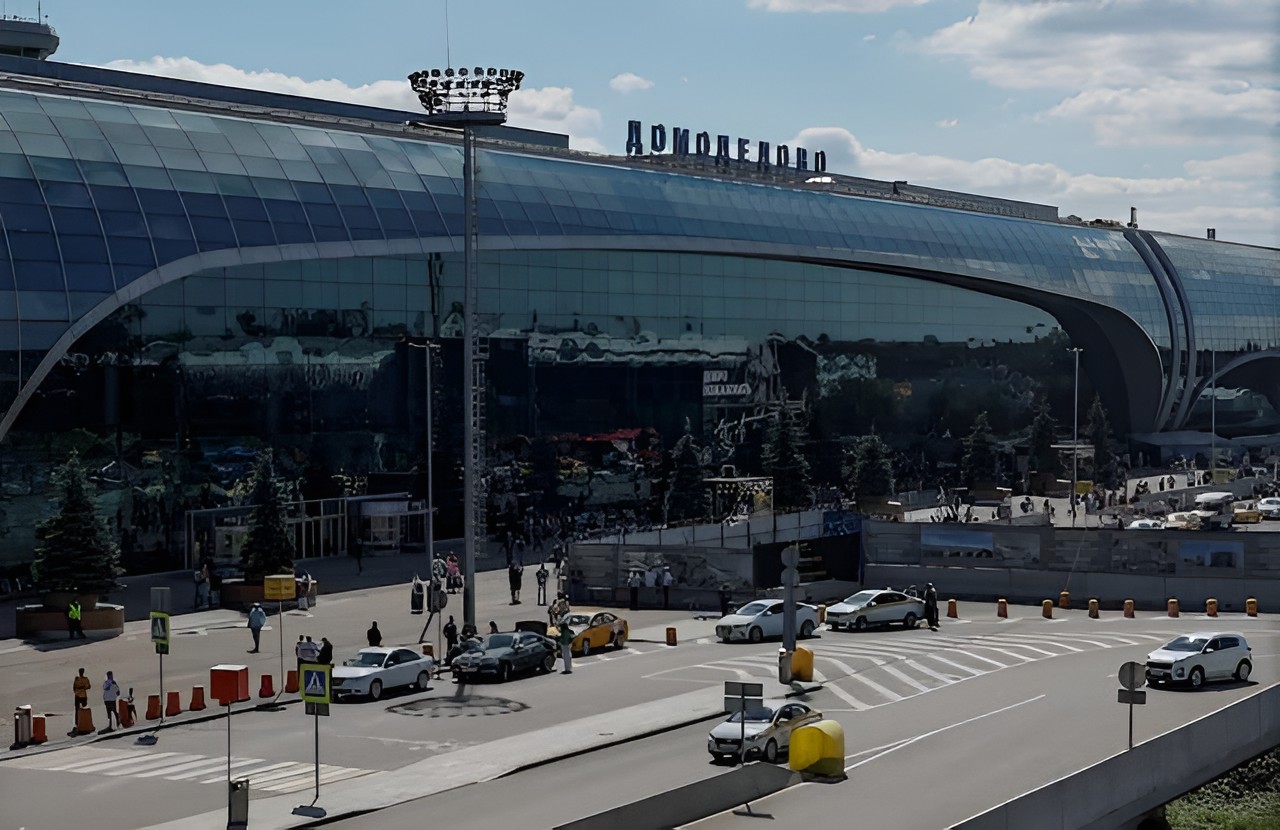
Eleven airports across eight Russian cities faced temporary arrival and departure restrictions on the evening of November 12 and overnight into November 13 after a reported drone attack. The operational limits covered all four airports serving Moscow Vnukovo, Domodedovo, Sheremetyevo and Zhukovsky as well as airports in Penza, Saransk, Saratov, Kaluga, Tambov, Volgograd and Yaroslavl.
Russia’s civil aviation agency, Rosaviatsiya, said flights were being handled only with approval from the relevant authorities “to ensure flight safety.” No total was provided for delayed or canceled flights, the duration of the restrictions was not specified, and no physical damage to airport infrastructure was confirmed. The immediate consequence was therefore a broad loss or constraint of operating capacity rather than a documented loss of runways, terminals or navigation equipment.
Why restrictions alone can disrupt a network
An airport does not need to sustain physical damage for a drone warning to affect its schedule. When arrivals and departures require additional authorization, the normal flow of aircraft becomes conditional. Airlines and air traffic managers must account for aircraft already airborne, departures waiting at gates, crew duty limits, available parking positions and the ability of other airports to accept diverted traffic.
The safety-first logic is consistent with the International Civil Aviation Organization’s framework for aviation affected by conflict. ICAO says states, air traffic service providers and airlines are responsible for assessing risk, while contingency coordination is intended to preserve orderly traffic without compromising safety.
Moscow’s four-airport structure normally distributes traffic across several facilities, but the latest restrictions reached every airport named in that metropolitan network. That removes a straightforward local alternative: shifting a flight from one Moscow airport to another may offer little relief when each is operating under restrictions. Extending the measures to seven additional cities also narrows the wider network’s ability to absorb displaced traffic.
The exact passenger effect remains unknown because no flight total was reported for this event. An earlier disruption on October 29–30 provides a limited indication of the possible scale: more than 370 flights were delayed or canceled at Moscow’s four airports during that separate drone-related episode. A fire was reported near Sheremetyevo the following day amid another drone threat, but no such airport damage was confirmed in the November 12–13 restrictions.
A warning can consume capacity without causing damage
The central engineering and operational problem is uncertainty. Airport managers must protect aircraft during takeoff, approach and ground operations while authorities assess a threat whose location, duration and outcome may still be changing. Holding capacity in reserve is safer than maintaining a normal schedule under uncertain conditions, but that decision moves the burden into airline dispatch, passenger handling, gate allocation and recovery planning.
Once restrictions lift, an airport cannot necessarily restore its timetable immediately. Aircraft and crews may be out of position, departure queues may have accumulated, and available gates or ground services may become the next constraint. Those are potential network effects rather than confirmed results from this incident, which came without a published disruption total or restoration timeline.
A historical comparison shows how rapidly those secondary effects can grow. During the 2018 drone incident at London Gatwick, the airport closed for 36 hours, more than 1,000 flights were disrupted and over 140,000 passengers were affected, according to a CMAC Group case study describing its passenger-recovery work. The Russian event cannot be assigned a comparable impact without corresponding flight and passenger figures, but the comparison illustrates why aviation authorities may impose broad restrictions before airport damage occurs.
Interception claims leave an important uncertainty
Moscow Mayor Sergei Sobyanin claimed that Russian air defenses shot down more than 100 drones flying toward the capital and later reported interceptions involving several additional groups. He also said emergency services were working at crash sites. Those figures remain attributed official claims rather than independently established results.
Even as attributed figures, they indicate the scale authorities said they were managing and help explain why restrictions extended beyond one airport. A large reported threat can place simultaneous demands on air-defense monitoring, civilian airspace management, emergency response and airport decision-making. For civil aviation, the operational issue is not only whether a drone reaches airport property, but whether authorities can maintain sufficient confidence to release aircraft safely.
The strongest confirmed measure of the November event is therefore its footprint: 11 airports, eight cities and every named Moscow airport operating under temporary constraints. No airport damage was required to produce that network-wide consequence.
| More aerospace and engineering stories, right in your MSN feed. Follow AMI on MSN |
By Stephen Wallace — Editor for AMI’s aerospace integration and unmanned mobility coverage, focused on drone manufacturing, VTOL systems, autonomous networks, and air-ground mobility links.