Polestar 3 Delays Basic Steering-Wheel Audio Controls Until After 2027 Refresh
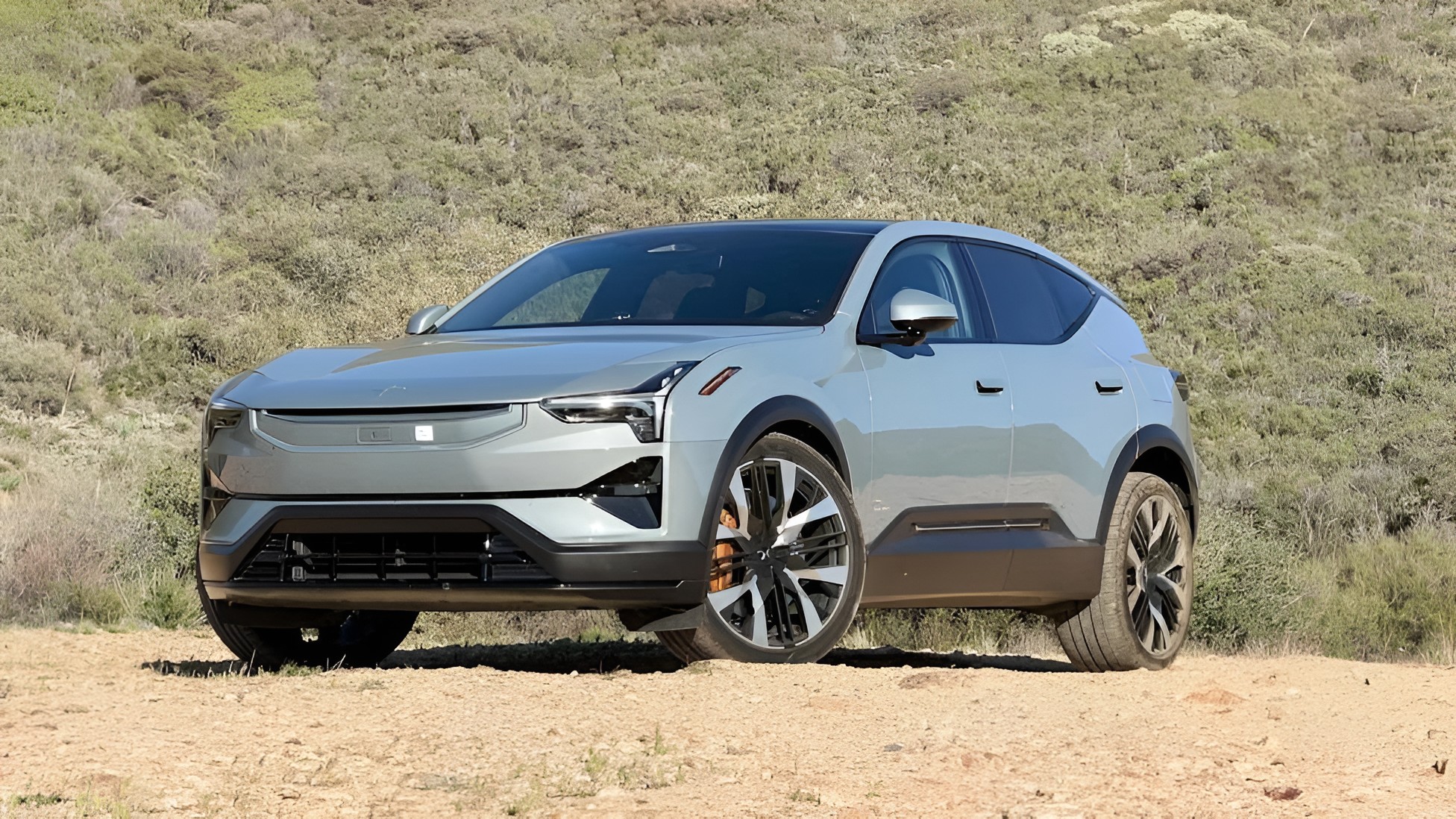
The Polestar 3 is designed around centralized computing and over the air updates, yet a 2025 model costing more than $93,000 as tested still could not adjust music volume or skip tracks from its steering wheel. Polestar had said at the electric SUV’s September 2024 launch that those functions were coming soon through an update. A company representative now says they will be added after the refreshed 2027 Polestar 3 launches.
That delay exposes a central limitation of the software-defined vehicle: update capability is not the same as prompt feature delivery. A flexible electrical and computing architecture can support changes after production, but it does not ensure that unfinished functions will receive immediate engineering priority, complete validation quickly or arrive on the schedule initially presented to drivers.
The missing controls are especially conspicuous because the steering wheel already has the necessary interface hardware. During ordinary driving, eight of its 12 buttons were described as effectively unused. Polestar says the refreshed 2027 model will leave the factory with functional steering-wheel audio buttons, while existing vehicles are expected to gain the feature through an over the air update after that model launches.
Small tasks accumulate into a larger interface problem
Volume and track selection are not the only routine interactions requiring additional steps. The Polestar 3 uses two window switches plus a toggle that changes whether they operate the front or rear windows. Adjusting cabin temperature requires touching the displayed temperature and then selecting plus or minus controls in a submenu. Heated and cooled seat settings similarly require multiple touchscreen interactions.
Changing drive modes takes navigation through three screens, according to the evaluation. The driver-monitoring system also issued repeated warnings while the driver was working through the vehicle’s own interface. That combination illustrates a human-factors tension: the vehicle monitors driver attention while its control layout can require drivers to direct attention toward menus for ordinary adjustments.
The concern is broader than convenience. The National Highway Traffic Safety Administration’s voluntary distraction guidelines recommend that drivers usually keep their eyes on the road and be able to retain at least one hand on the steering wheel while performing a secondary task. For tested visual-manual tasks, the agency recommends individual off-road glances of no more than two seconds and no more than 12 seconds cumulatively.
Those guidelines do not establish that the Polestar 3 fails a federal requirement; they are voluntary, and no Polestar-specific distraction test result is available here. They do, however, explain why interaction count and control placement matter. Moving a frequent adjustment from the steering wheel to a touchscreen can add visual search, hand movement and confirmation steps.
A review covering 73 studies found that touchscreens generally produced worse results than physical controls or voice input for driving performance, visual attention and secondary-task performance, although outcomes varied by task and interface. The findings were strongest for continuous adjustments such as sound and temperature. The review also noted limits in the research base: most studies used simulators, and relatively few examined the large displays common in current vehicles.
Improved stability does not complete the interface
The evaluated 2025 Polestar 3 experienced no major software problems, an improvement over the numerous bugs attributed to the Polestar 3 and mechanically related Volvo EX90 when they launched. That progress suggests the platform can mature through software work. It also shows how stabilizing a new computing architecture can consume time while less critical but highly visible functions remain unfinished.
Existing Polestar 3 vehicles are eligible for a free upgrade to an Nvidia Drive AGX Orin central computer. The refreshed 2027 vehicle is also planned to adopt an 800-volt electrical architecture. Both are substantial platform developments, but neither substitutes for a complete control strategy. More computing performance and a revised high-voltage system do not automatically simplify the driver’s interaction with audio, climate, windows or drive settings.
Software-defined architecture has genuine value when it fixes faults, adds functions or improves existing vehicles without a workshop visit. Its less attractive side appears when updateability becomes a reason to release hardware before intended software functions are ready. For Polestar 3 owners, the practical boundary is now clear: a basic steering-wheel function promised around the 2024 launch is tied to a software release scheduled only after the refreshed 2027 model reaches the market.
| More aerospace and engineering stories, right in your MSN feed. Follow AMI on MSN |
By Thomas Caldwell — AMI’s senior editor for mechanical and mobility engineering, covering vehicle electronics, systems integration, electrification, chassis systems, propulsion, and safety policy.