USS Nimitz Is Still Landing Jets Because Its Replacement Is Running Late
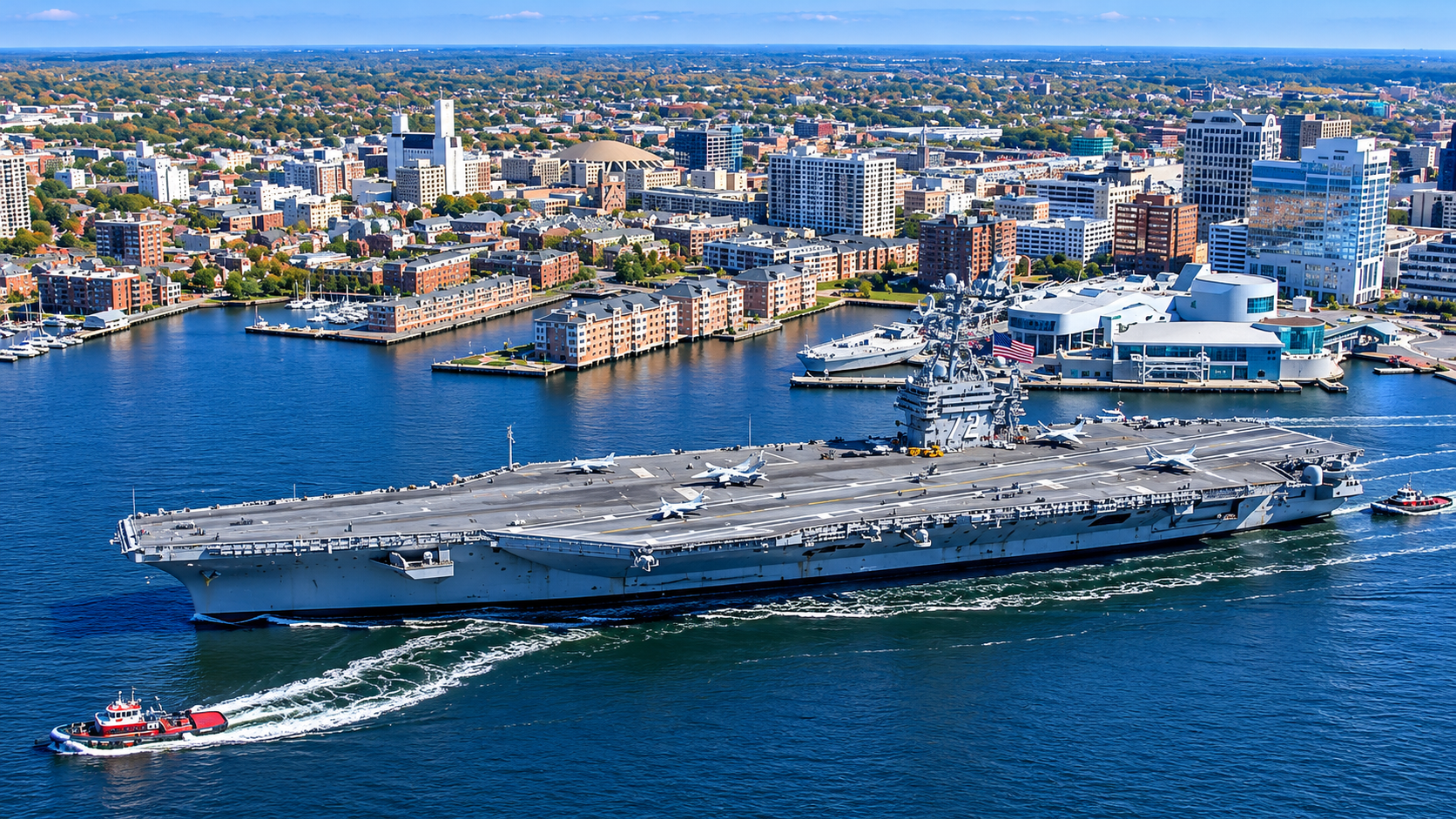
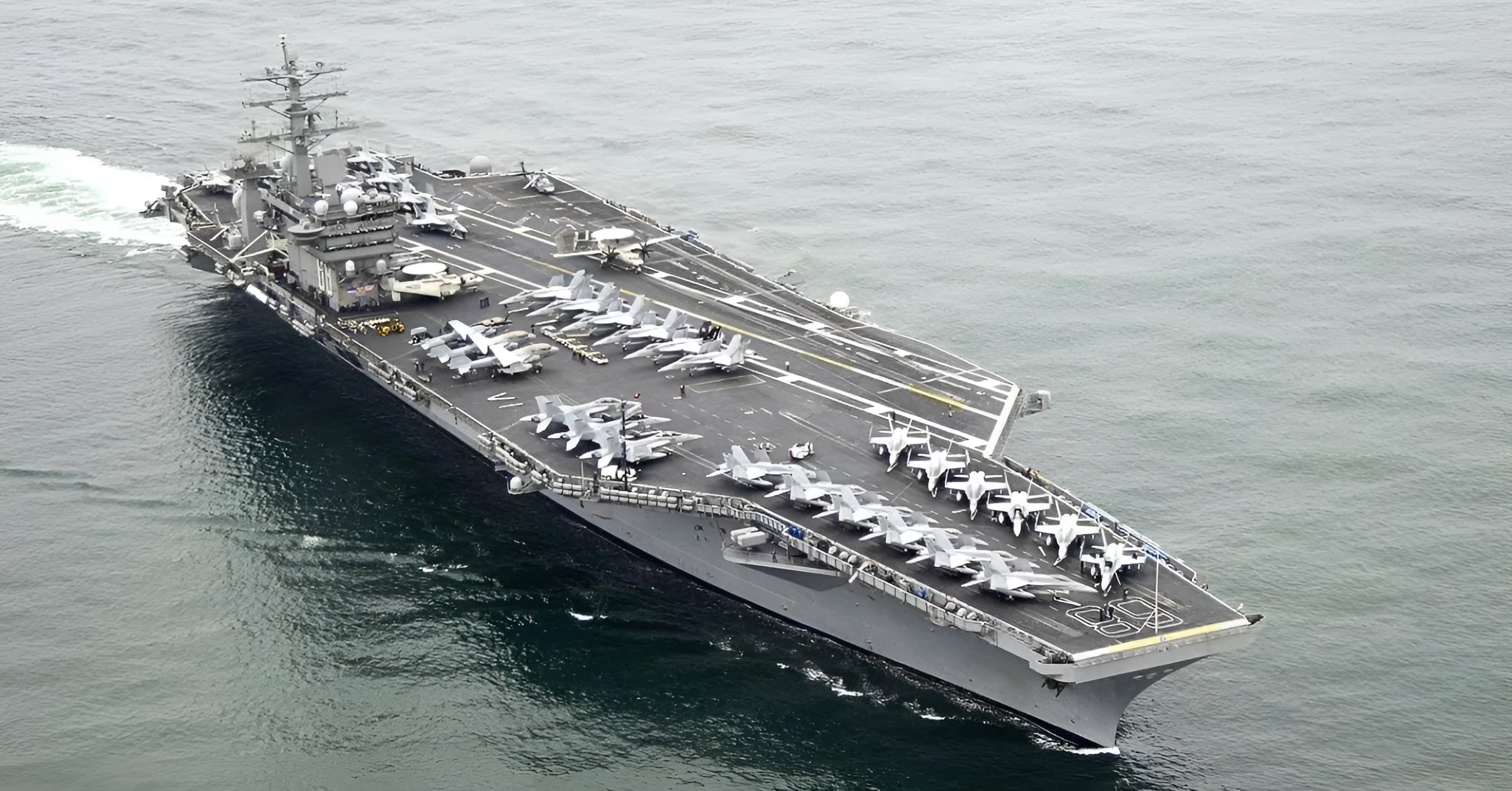
USS Nimitz reached its final home port in July, but the 51-year-old aircraft carrier is not finished launching and recovering jets. With its planned replacement, USS John F. Kennedy, still awaiting delivery, the Navy has kept Nimitz commissioned to preserve a working flight deck for pilot qualifications during the transition.
The 100,000-ton carrier returned to Naval Station Norfolk on Nov. 9 after completing its first East Coast training period. According to the Navy’s account of the underway period, Nimitz supported 442 arrested landings, 152 touch and go landings and 103 sorties. More qualification trips are scheduled before deactivation, although the Navy has not announced how many remain or when the final one will occur.
That workload explains why an old carrier can retain operational value even after its last deployment and farewell transit. Carrier qualifications require an actual moving flight deck, arresting gear, catapults, aviation support systems, air traffic control facilities and a trained shipboard crew. A land-based runway can prepare aviators for parts of the task, but it cannot award the carrier experience that comes from landing on and launching from a ship at sea.
The latest trip served pilots at several stages of training. Aviators from Strike Fighter Squadron 106 qualified in F/A-18E/F Super Hornets, including pilots preparing to join the fleet for the first time and experienced aviators returning from non-flying sea assignments. Carrier Air Wing 1 also completed qualifications. Student aviators from Training Air Wings 1 and 2 made their first carrier landings and launches in T-45C Goshawk trainers.
Nimitz commanding officer Capt. Joseph Furco said the crew had “invaluable knowledge and experience to pass on” after completing two deployments across three regions in less than two years. That experience is a practical part of the carrier’s temporary training role: keeping the ship available also keeps a veteran deck crew, aviation department and control team available to train the next group of pilots.
A retirement schedule tied to another carrier
Nimitz had been due to leave service in May, but the Navy postponed decommissioning by about 10 months. The revised March 2027 date aligns with the expected delivery of John F. Kennedy, the second Ford-class carrier and the ship planned to replace Nimitz in the fleet.
The timing created an unusual sequence. Nimitz left Bremerton, Washington, for the last time on March 7, then completed a four-month voyage around South America before arriving at Norfolk on July 9 with nearly 3,000 sailors. It is now homeported there as the flagship of Carrier Strike Group 8. What looked like the end of its operational career instead became a shift from deployment duty to East Coast training.
Keeping Nimitz commissioned does not erase the replacement delay, but it protects a specific readiness function while the Navy waits. The carrier is not merely being stored at a pier: its flight-deck machinery, aviation systems, crew certifications and nuclear propulsion plant must remain supported well enough to conduct repeated periods at sea. For planners, that purchases qualification capacity at the cost of extending operations and maintenance on the Navy’s oldest carrier.
The reactors still have work ahead
Retirement will begin another technically demanding phase rather than produce an immediate trip to a scrapyard. Nimitz is 1,092 feet long and powered by two nuclear reactors. After decommissioning, the plan calls for inactivation and reactor defueling at HII’s Newport News Shipbuilding in Virginia.
HII received an approximately $96 million contract in March for planning, engineering work and long-lead materials associated with inactivation and defueling. That award is preparatory, not a published total for the complete job. No final cost or date for removing the reactor fuel has been announced.
The Navy’s experience with the former USS Enterprise shows why this stage cannot be treated as routine ship disposal. Enterprise remained at Newport News for years after leaving operational service while its reactors were defueled and the Navy developed a dismantling plan. Nimitz has two reactors rather than Enterprise’s eight, but its retirement still requires specialized facilities, nuclear work and a carefully managed handoff from an operating warship to an inactive hull.
Until the Navy completes its carrier transition, that handoff remains on hold. Nimitz may be at its final home port, but its arresting gear is still catching aircraft and every additional qualification trip pushes reactor defueling and inactivation one step further into the future.
| More aerospace and engineering stories, right in your MSN feed. Follow AMI on MSN |
By David Whitaker — Associate editor for AMI’s aerospace and drone systems desk, translating flight systems, aircraft programs, spaceflight, and UAV developments into accessible technical stories.