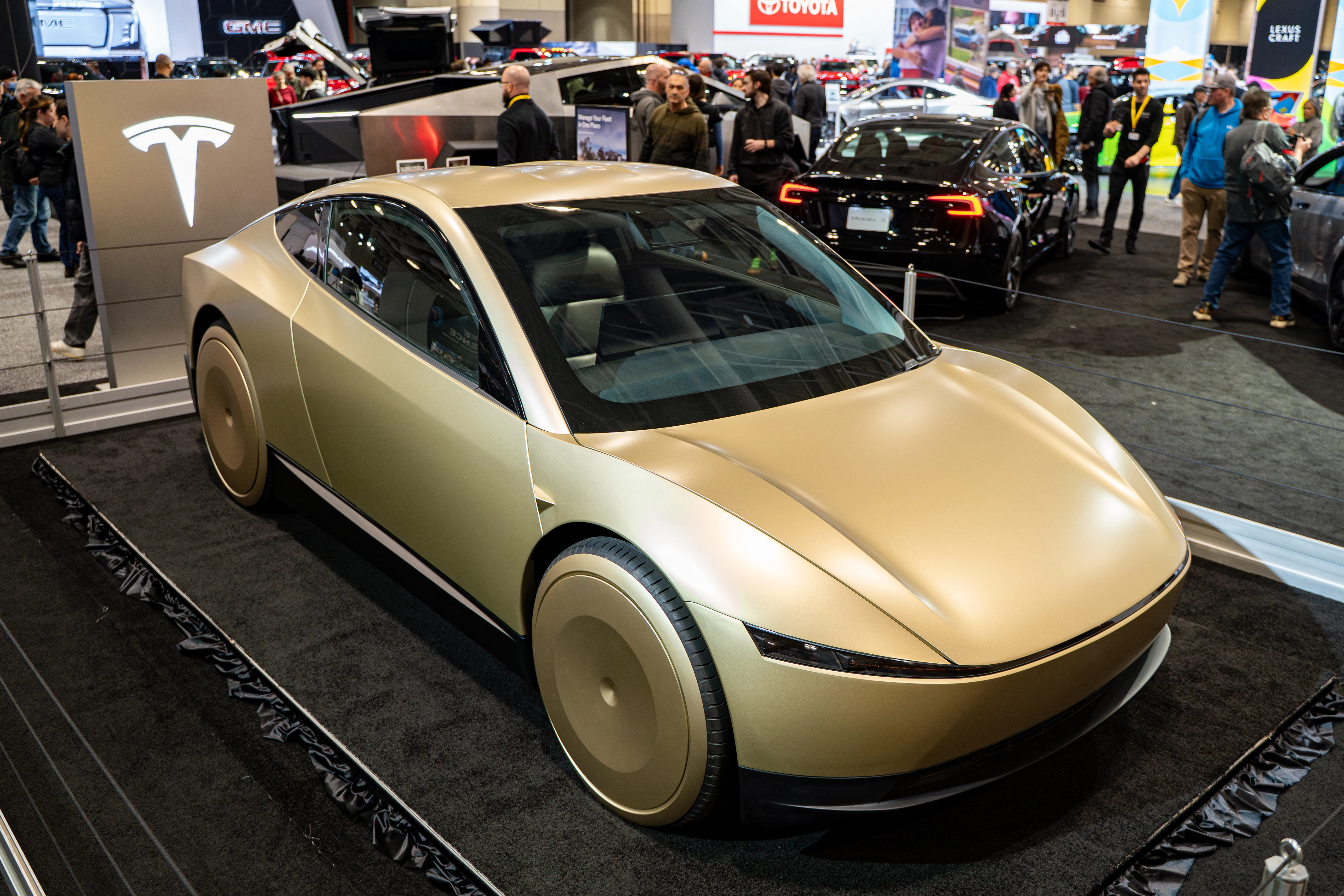
Tesla Offers $29,990 Cybercab Without Steering Wheel, but Operation Costs $299 Monthly
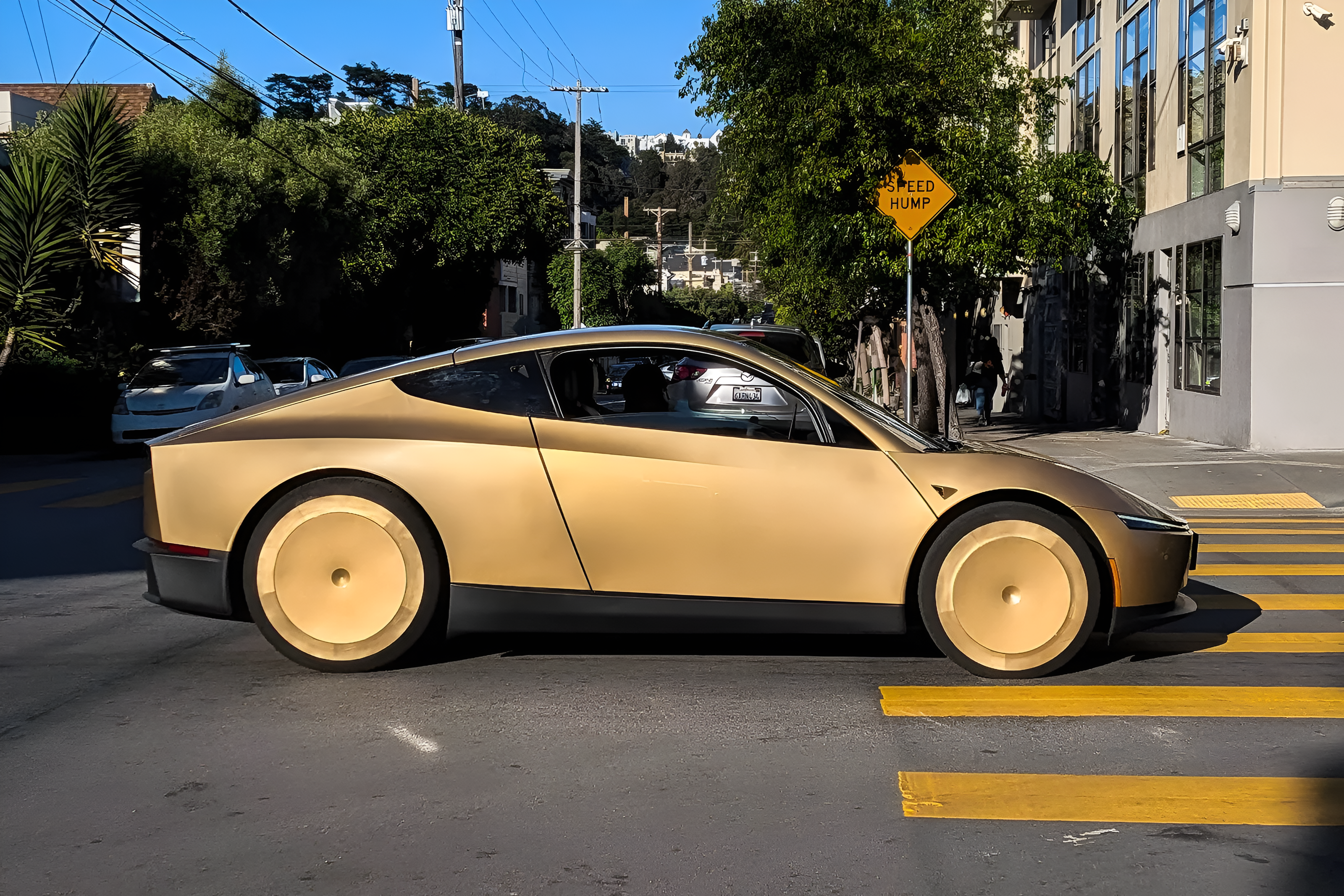
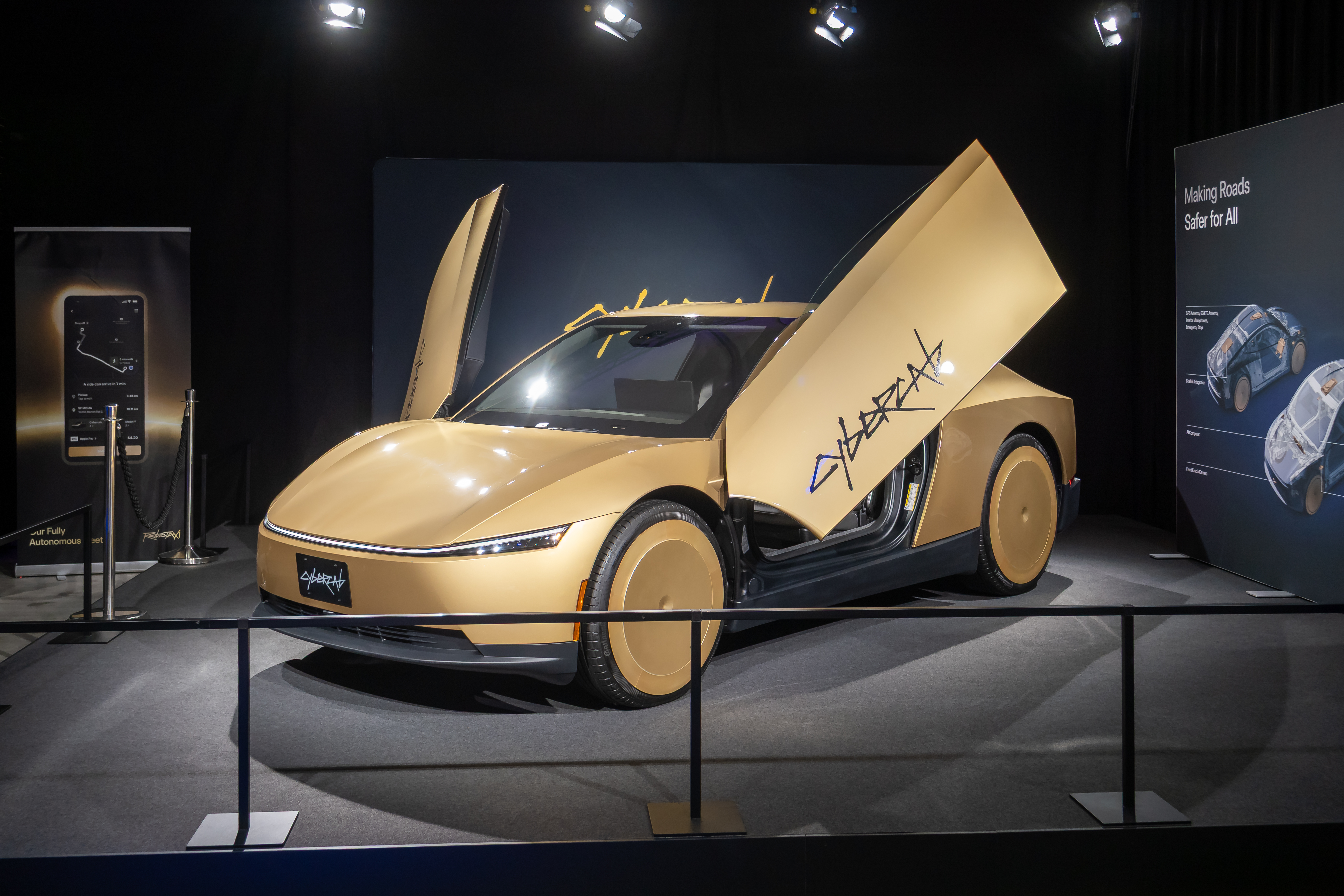
Tesla is inviting select customers to order a two-seat Cybercab for personal use at $29,990, even though buying the vehicle is only the first price of admission. The car has no steering wheel or pedals, and Tesla’s Autonomy Subscription Agreement says it will not operate without an active $299-per-month subscription.

The purchase price is $7,000 below that of a Model 3, making Cybercab Tesla’s least expensive vehicle. A Tesla order-page image indicated that deliveries could start as soon as next month. Initial availability remains limited, however, and Tesla has not said when orders could open to the general public.
The first subscription month is free. After that, the required service costs approximately $3,600 per year before insurance, registration, charging, parking, cleaning and other ownership expenses. The agreement says Tesla can change the subscription price with one month’s notice.
The buyer owns the car, but Tesla controls where it works
The recurring fee covers more than driving software. It includes connectivity, remote support, roadside assistance and specified maintenance services. Owners need a Tesla Account and compatible mobile device to set destinations, manage trips, grant access and arrange service through the app.
More consequentially, the Cybercab can operate only inside Tesla-enabled Robotaxi geofences and other “supported service areas.” Tesla has not published a complete map for privately owned vehicles. Its terms allow the company to expand, shrink, relocate or otherwise alter the operating territory, including its permitted roads, hours and conditions.
This is a fundamentally different ownership model from a conventional car. If a normal vehicle loses a connected service, its driver can generally continue using the mechanical controls. Cybercab depends on working connectivity, current software and account access; Tesla’s agreement says coverage gaps can limit or stop operation. Its touchscreen provides manual controls only for moving the vehicle short distances at up to 2 mph, and Tesla says those controls are not intended for public roads.
Tesla may also remotely restrict the vehicle, place it in a safe state or suspend autonomous operation. After three warnings for activity Tesla deems improper or unsafe, autonomy can be suspended for one week, during which the Cybercab may not operate. The monthly fee is not prorated for that suspension. Required inspections or safety repairs can similarly become conditions for continued operation.
Level 4 does not mean the car works everywhere
Tesla advertises the personal Cybercab as “fully autonomous,” and it could become the first Level 4 automated vehicle available for individuals to own. That description is compatible with geographic limits: SAE’s automation framework distinguishes Level 4 from lower levels by allowing the automated system to handle driving without expecting a human takeover, but only within its defined operating conditions.
The geofence is therefore part of the engineering concept rather than an incidental restriction. Cybercab is designed around the assumption that the automated system not a seated driver handles the driving task wherever operation is enabled. Outside that domain, the answer is to prevent operation, not hand control to an owner through a steering wheel and pedals.
The private-use agreement also answers one commercial question left open by the initial announcement. Owners may not place their Cybercabs on Tesla’s Robotaxi Network or use them for third-party ride-hailing, delivery or rental services unless Tesla later provides specific authorization. For now, the vehicle is a personal car tied to the same type of managed operating boundaries used by a fleet service, not an income-producing robotaxi sold to individuals.
Federal rules remain a constraint
The National Highway Traffic Safety Administration has questioned how Tesla determined that Cybercab complies with federal motor-vehicle safety standards when it lacks conventional equipment including a steering wheel, pedals and side-view mirrors. Deployments of noncompliant vehicles under federal exemptions are generally limited to 2,500 vehicles annually, potentially constraining scale if an exemption is required.
The regulatory framework is moving, but it is not complete. NHTSA has proposed updating federal lighting rules for vehicles driven exclusively by automated systems, including requirements involving manual turn-signal, hazard-warning and beam-switching controls. The agency is also developing broader automated-driving performance standards.
That leaves Tesla’s offer balanced between a notable hardware price and several forms of continuing dependency. A select customer may soon be able to own a $29,990 vehicle without human driving controls, potentially opening the door to private Level 4 ownership. Whether that vehicle is useful will depend on where Tesla enables it, whether connectivity and subscription access remain active, and how federal compliance questions are resolved.
| More aerospace and engineering stories, right in your MSN feed. Follow AMI on MSN |
By Robert McKinney — Editor-in-Chief for AMI’s automotive and mobility coverage, with a mechanical engineering background and a decade reporting on powertrain systems, EV innovation, and global vehicle manufacturing.