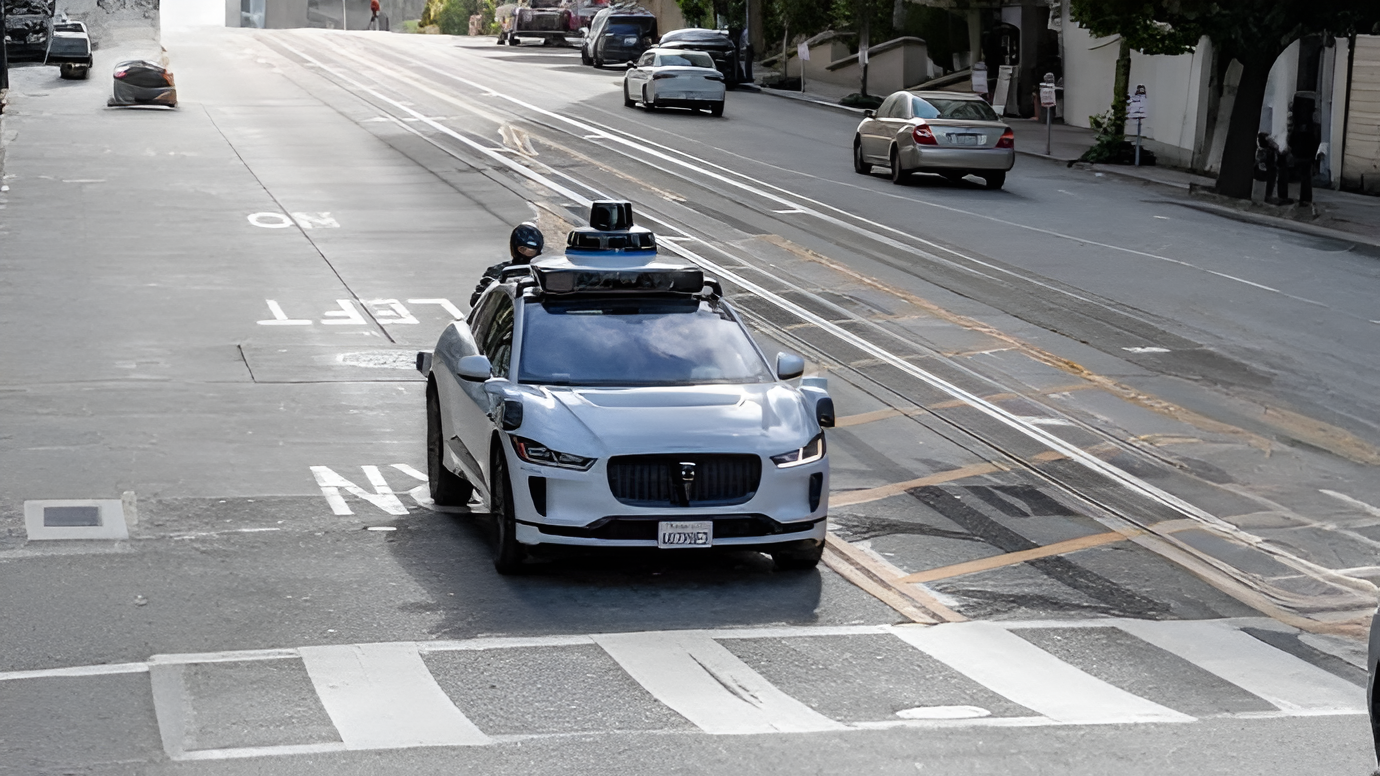
California Bars Waymo Driverless Cars From Highways After Two Safety Incidents
California has barred Waymo’s driverless vehicles from the state’s highways after two November incidents involving temporary road controls. The California Department of Motor Vehicles modified Waymo’s permit on November 11, calling its freeway operations an “imminent hazard to public safety” because vehicles continued to disregard highway hazards.

Waymo responded by pausing commercial driverless highway rides in every market where that service had been available, extending the shutdown beyond the reach of California’s order. The company will continue carrying passengers on non-highway streets and testing on highways with trained autonomous specialists behind the wheel.
The permit action followed two incidents in the San Francisco Bay Area. On November 5, three Waymo vehicles reportedly entered an active construction zone where workers, equipment and other vehicles were present. On November 6, another Waymo attempted to pass California Highway Patrol vehicles conducting a traffic break a temporary maneuver used to hold or slow traffic around a roadway condition.
Waymo said the construction-zone encounters resulted in no injuries or collisions. California’s concern centers on the vehicles entering or attempting to bypass controlled areas, rather than a reported crash. Temporary construction layouts and police-directed traffic breaks can replace ordinary lane patterns with controls that drivers must recognize and obey as conditions develop.
A second pause over construction-zone response
The latest suspension is more consequential because Waymo had already stopped freeway operations in May 2026 to improve how its vehicles responded to construction zones. California officials said similar incidents had occurred that month, leading to earlier restrictions and corrective action.
The November events therefore represent a repeated problem in the same operating category. The DMV is requiring Waymo to demonstrate that its vehicles can reliably detect and respond to construction zones, emergency vehicles and other highway hazards before the company’s original California permit is restored.
The available information does not identify a specific sensor, software component or decision process responsible for the encounters. What the regulatory action establishes is the performance boundary: California is not accepting continued driverless highway operation while the system’s response to temporary hazards remains unresolved.
That boundary removes an entire driving environment rather than shutting down Waymo’s broader service. Highway driving had been offered in Phoenix, Miami, Austin, Los Angeles County and the San Francisco Bay Area. Waymo operates more broadly in 15 cities, and its vehicles can continue using surface streets where authorized.
California’s order prompted a wider company pause
California cannot prohibit Waymo from using highways in other states. Waymo nevertheless paused commercial highway rides across all markets where it offered them, including Phoenix, Miami and Austin as well as its two California service areas. The voluntary extension gives the company room to evaluate the same capability across its operations rather than treating the two incidents solely as a California permit issue.
The different scopes leave open the possibility that highway rides could return elsewhere before California restores them. Waymo has provided no timetable for restarting commercial highway service in any market, however, and California has placed no fixed end date on its restriction.
Testing will continue under a different operating condition. Waymo plans to put trained autonomous specialists behind the wheel during highway trials while it develops corrective measures. That preserves access to the road environment for evaluation while adding a human who can intervene, instead of exposing driverless passengers and surrounding road users to the unresolved behavior.
Returning to California highways will depend on demonstrated performance, not the passage of a set suspension period. State officials want sufficient evidence that the vehicles can detect and avoid construction activity, police traffic control and other roadway hazards. Until Waymo provides that evidence and California accepts its corrective actions, the company’s driverless vehicles can keep serving surface streets but the state’s highways remain outside their permitted operating domain.
| More aerospace and engineering stories, right in your MSN feed. Follow AMI on MSN |
By Robert McKinney — Editor-in-Chief for AMI’s automotive and mobility coverage, with a mechanical engineering background and a decade reporting on powertrain systems, EV innovation, and global vehicle manufacturing.