Ukrainian Drone Strikes Reportedly Cut Russian Oil Refining 45%, Pressuring Fuel Supply
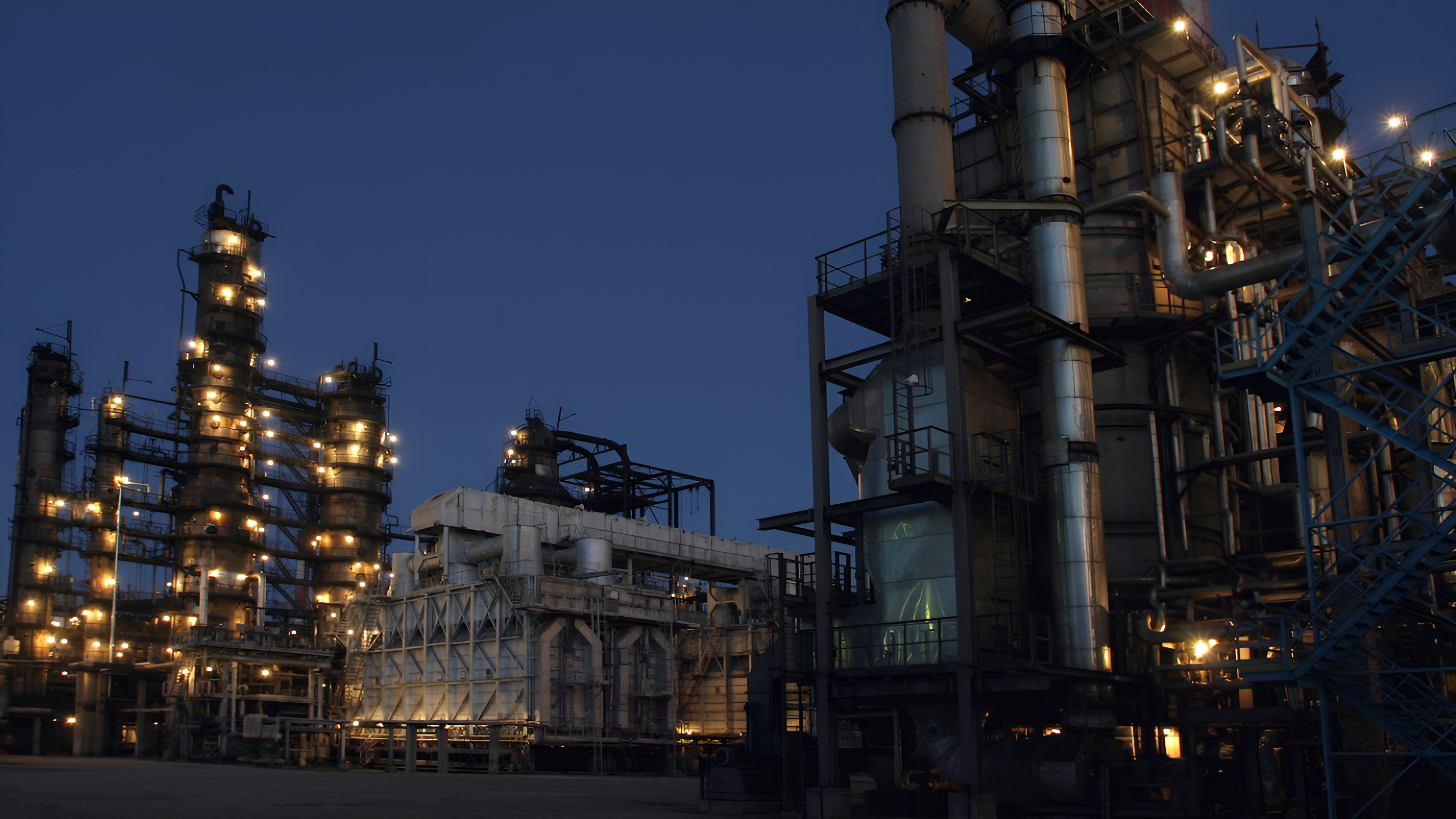
A 45% drop in daily crude processing is the clearest measure yet of the pressure sustained Ukrainian drone strikes are placing on Russia’s refining system. Reuters reported on November 18, citing estimates from two industry sources, that combined processing fell from more than 700,000 metric tons per day in late October to approximately 400,000 tons around 3 million barrels per day after nearly daily attacks over about 20 days.
The same sources estimated that 15 of Russia’s 35 major refineries had been damaged or forced to suspend operations, up from nine in the middle of the previous week. Russia’s Energy Ministry did not respond to Reuters’ request for comment. These are industry estimates produced during an active conflict, but the figures describe an energy-processing constraint rather than an isolated series of incidents.
Why the 45% figure differs from November’s average
The headline number is a point to point comparison: daily throughput above 700,000 tons in late October versus roughly 400,000 tons after the decline. It captures the system’s reported operating rate near the end of the three-week period.
November’s monthly average tells a different, but compatible, story. Because processing declined progressively rather than falling to 400,000 tons on the first day of the month, average daily throughput remained above 500,000 tons. That left the November average only 5% to 10% below September and October.
The difference is important for measuring both immediate disruption and accumulated supply. The latest daily rate indicates how severely the network was constrained at that moment. The monthly average better reflects how much crude was processed across the full period. If the lower daily rate persists, it will exert a much larger effect on subsequent monthly totals; if plants return quickly, November’s average will make the disruption appear less severe than its late-month low point.
Nominal capacity is not the same as lost production
The affected refineries have approximately 500,000 metric tons per day of combined nominal capacity, equivalent to about 54% of Russia’s estimated primary refining capacity. That does not mean Russia permanently lost 54% of its output.
Nominal capacity describes what facilities are designed to process under specified operating conditions. Actual throughput depends on which processing units remain available, operating rates at unaffected plants, maintenance, crude supply, inventories and the time required to restore suspended equipment. A refinery counted as affected may be partly operating, while another plant may increase utilization to offset a portion of the loss.
Refineries also operate as interconnected systems rather than collections of fully independent machines. The U.S. Energy Information Administration’s analysis of refinery outages explains that taking one major unit offline can force other units to reduce output because intermediate products cannot always be stored or rerouted. This means the production effect can extend beyond the capacity rating of the immediately unavailable equipment, although inventories and spare capacity can cushion the market impact.
Repeated drone pressure becomes an industrial-capacity problem
The scale here comes from repetition across a national network. Nearly daily attacks over roughly 20 days require refinery operators to manage interruptions, inspections, repairs and restart decisions across multiple facilities. At the same time, defensive organizations must protect a geographically distributed industrial system while maintaining readiness for other demands. The available figures do not establish how long individual outages will last, but the increase from nine to 15 affected major refineries within about a week indicates that restoration was not keeping pace with newly reported disruptions during that interval.
That persistence separates a temporary outage from a broader processing constraint. A single refinery shutdown can often be absorbed through inventories, imports or higher output elsewhere. Multiple overlapping interruptions reduce those options and increase the importance of logistics, replacement equipment and specialized repair capacity.
Fuel supply depends on products, inventories and transport
Crude oil availability alone cannot replace lost refining. Refineries convert crude into gasoline, diesel, jet fuel and other products, so reduced throughput can coexist with ample crude supplies while finished fuels become scarce. Russia was already experiencing shortages in some regions, while strikes on ports had reduced export capacity.
The market consequence depends on how long the lower operating rate lasts and how much product is available in storage. EIA research notes that refinery outages are most disruptive when inventories are low, demand is strong and alternative supplies are difficult to obtain. Its documented example of Midwest refinery outages shows the mechanism: reduced utilization lowered fuel production, drew down regional inventories and put pressure on gasoline prices.
Russia’s disruption also arrives in a global market where diesel supply is already a concern. The International Energy Agency’s November 2026 Oil Market Report said persistent attacks on Russian energy infrastructure were restricting diesel supplies to international markets. Reuters reported that further interruptions could tighten global fuel markets and complicate Russia’s agreement to export diesel to the United States.
The next decisive measurement will be duration. A brief fall to 400,000 tons per day would leave a limited monthly imprint; a sustained rate near that level would progressively deplete inventories, constrain exports and turn the reported 45% daily decline into a much larger cumulative fuel-supply loss.
| More aerospace and engineering stories, right in your MSN feed. Follow AMI on MSN |
By Stephen Wallace — Editor for AMI’s aerospace integration and unmanned mobility coverage, focused on drone manufacturing, VTOL systems, autonomous networks, and air-ground mobility links.