Moldova Restricts Entire Airspace After Suspected Drone Alert Near Capital
Moldova restricted its entire national airspace after a suspected Shahed-type drone was reported near Chișinău on November 17, 2026. The Moldovan Army’s Air Operations Center said the security restriction began at 4:27 p.m., immediately constraining civilian aviation even though the aircraft’s identity and fate had not yet been established publicly.
The first consequence was therefore operational rather than physical: Moldova treated an unresolved object near its capital as a potential national airspace hazard. At that stage, authorities had reported no strike, fallen debris or casualties connected to the alert. Subsequent official information widened the incident considerably. Moldova’s Defense Ministry later said seven drones violated the country’s airspace over roughly two and a half hours and that five crashed near populated areas. No casualties were reported.
Identification followed the airspace decision
The order of events is significant for civilian aviation. Authorities did not need a completed debris examination or a fully verified aircraft identification before restricting access to the sky. They needed enough indication of a possible airborne hazard to decide that continued normal operations carried unacceptable uncertainty.
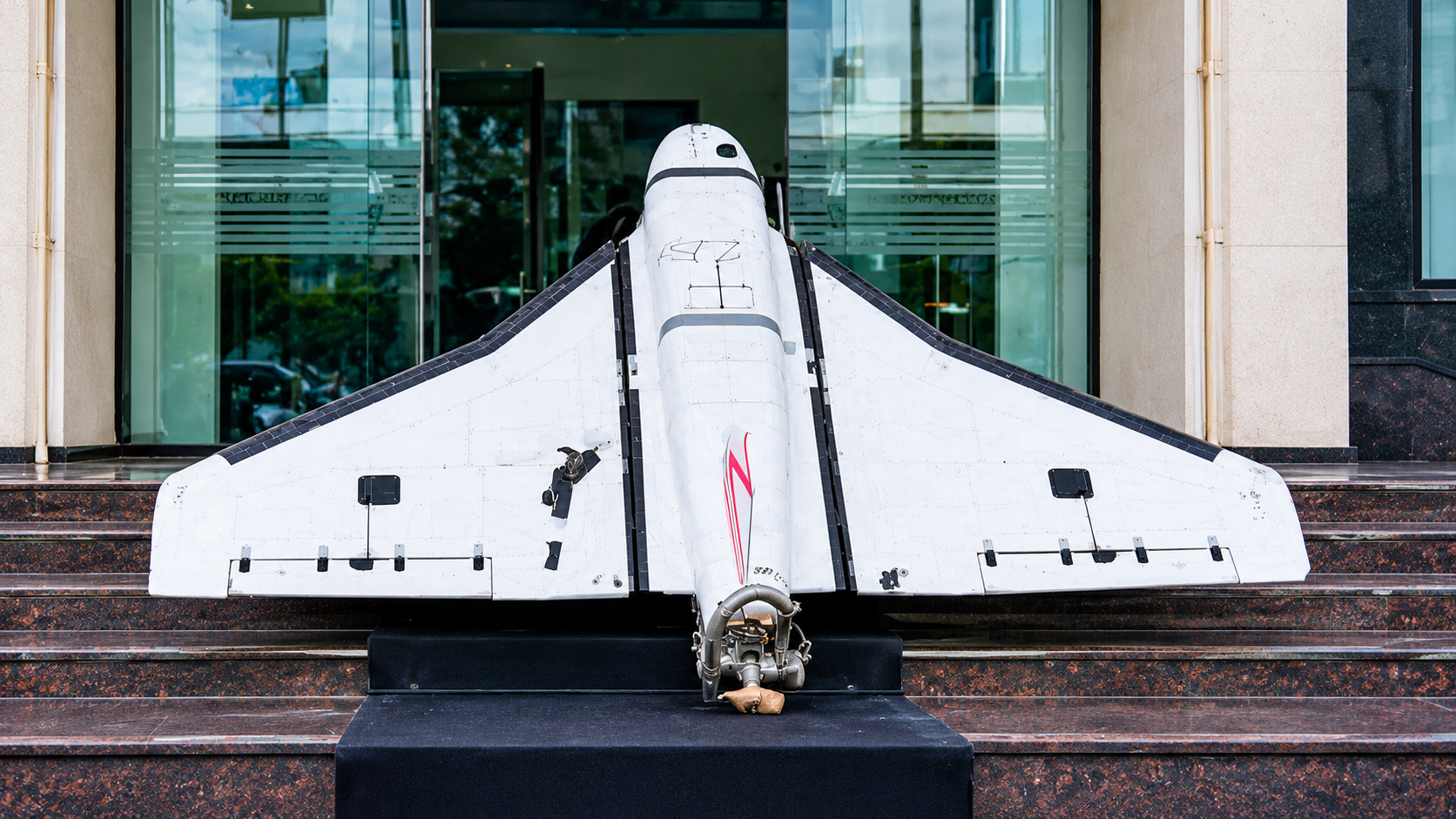
Early reporting described the aircraft near Chișinău as Shahed-type. NEXTA TV reported a visual identification as a Russian Geran-2 attack drone, but that specific identification was not initially confirmed publicly by Moldovan authorities. Later government statements attributed the broader group of incursions to Russian drones; Russia rejected Moldova’s attribution and said adequate proof had not been provided.
The developing account illustrates why drone alerts can be difficult to resolve in real time. Detection can establish that an object is present without immediately settling its model, operator, origin or final location. Visual reports can add information, but a precise identification may require sensor records, recovered components or other examination after the immediate airspace decision has already been made.
A small aircraft can create a nationwide aviation effect
For airlines and air traffic managers, the concern is not limited to whether an unmanned aircraft strikes something on the ground. An object with an uncertain position and flight path can complicate separation and routing while controllers are also handling scheduled passenger traffic. A national restriction reduces exposure while authorities assemble a clearer operating picture.
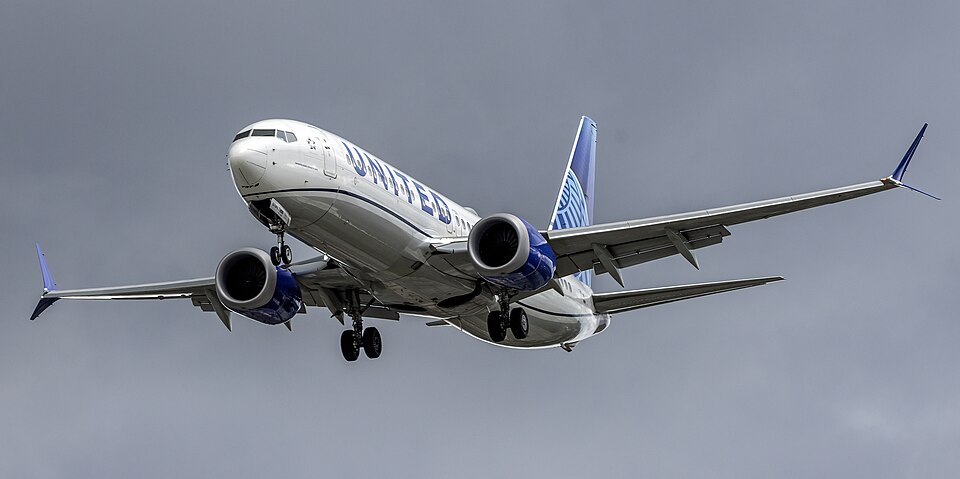
One passenger aircraft approaching Chișinău was directed to a holding area near the Romanian border for about 30 minutes, according to Moldova’s Civil Aviation Authority. The central portion of the country’s airspace reopened at 5:03 p.m., allowing two other aircraft to continue their approaches and land. Those details turn the nationwide order into a concrete airport consequence: crews waited or adjusted operations until officials judged that part of the airspace could be used again.
This precautionary approach aligns with the broader risk framework described by the International Civil Aviation Organization. States, aircraft operators and air navigation providers are expected to exchange current risk information, while airlines may also conduct their own assessments. A government restriction and an airline’s internal decision are separate controls, but both depend on timely information that may be incomplete during a fast-moving alert.
Debris creates a second phase of risk
Moldovan authorities also warned residents not to approach, touch or move suspicious aircraft parts. Debris can contain explosive components, so people were instructed to withdraw to a safe distance and contact the 112 emergency service. That warning extends the response beyond air traffic control: once an aircraft comes down, police and specialist teams must secure and examine the object before its identity and condition can be confirmed.
Moldovan police had found drone fragments in a vineyard near Antonesti less than a week earlier after a resident reported them. The village is about six miles from Ukraine’s Odesa region. The initial Chișinău alert did not establish a connection to that earlier discovery, although both events underscore the need to preserve debris for safe examination rather than public handling.
The November 17 sequence shows how quickly an unmanned-aircraft report can scale into a national aviation decision. Moldova restricted all of its airspace at 4:27 p.m.; only afterward did the public account expand to seven violations, several reported crashes and a phased reopening for civilian traffic. Airspace control had to act while aircraft identification, location and ground impact were still being resolved.
| More aerospace and engineering stories, right in your MSN feed. Follow AMI on MSN |
By Stephen Wallace — Editor for AMI’s aerospace integration and unmanned mobility coverage, focused on drone manufacturing, VTOL systems, autonomous networks, and air-ground mobility links.