Air India Tightens Costs After Annual Loss More Than Doubles
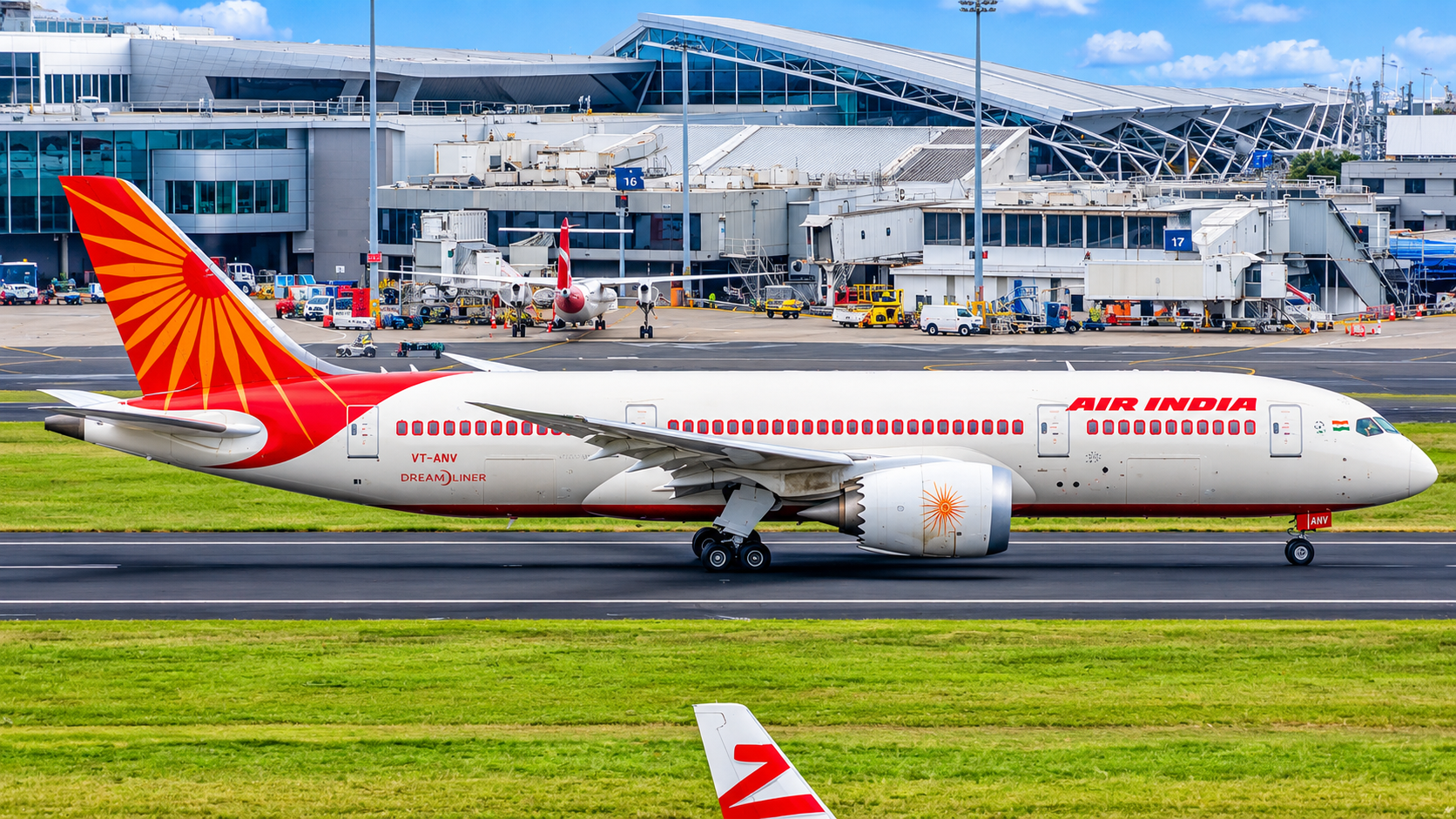
₹22,238 crore approximately US$2.4 billion at current exchange rates is the loss now framing Air India’s operational overhaul. The consolidated annual loss more than doubled from ₹10,859 crore in the financial year ended March 2026, while revenue declined 8.6% to ₹71,870 crore and operating expenses increased.

The results cover the period before Tewolde Gebremariam became managing director and CEO on October 1, 2026. Since taking charge, he has established a multidisciplinary cost-savings team, tightened spending approvals and started reviewing how Air India can share support functions with its low-cost subsidiary, Air India Express. The initiative is moving beyond conventional budget trimming into route design, staffing deployment and the organization of engineering and administrative work.
Measures communicated to employees in October included stricter authorization for staff travel, closer scrutiny of departmental expenditure and an initiative to solicit savings ideas from employees. Air India is also reviewing cabin-crew deployment and rationalizing routes where operating requirements allow.
Those actions can produce relatively quick savings because they address controllable spending and resource allocation. They cannot, however, remove major external costs such as fuel prices, currency depreciation, aircraft leases or longer flight paths caused by airspace restrictions. The central systems challenge is therefore to reduce duplication without weakening the technical and operational support needed for a large, mixed fleet.
Shared functions could reduce duplication
Air India is considering common teams across human resources, engineering, information technology and other support services with Air India Express where operationally feasible. The two carriers serve different market segments, but every duplicated back-office process adds overhead to the combined airline group.
Engineering is more complex than a general administrative function. Shared planning, records or procurement can improve scale and standardization, but aircraft configurations, maintenance programs and operating models still determine which work can be consolidated. The practical benefit will depend on whether common teams can reduce repeated processes while preserving clear responsibility, regulatory compliance and timely technical support for each carrier.
The structure follows earlier consolidation within the group. Vistara merged with Air India in November 2024, while AirAsia India was integrated into Air India Express. That history gives management a larger network and resource base to optimize, but it also increases the integration workload across fleets, personnel systems and operating procedures.
Network redesign targets aircraft utilization
The overhaul also includes a revised international network strategy. Air India is considering concentrating more European and North American services at Mumbai, expanding Delhi connections to East and Southeast Asia, and developing Bengaluru as a possible third international hub.
A hub strategy is fundamentally an aircraft and passenger-flow decision. Concentrating compatible services can improve connections and help an airline assign wide-body aircraft where demand and network feed are strongest. It can also change schedules, crew bases and the routes available from individual cities. For passengers and employees, those practical effects may become the most visible part of the restructuring.
Airspace constraints make the network calculation harder. Pakistan’s closure of its airspace to Indian aircraft has forced longer routings on some European and North American services. A Pakistan Airports Authority notice extended the restriction through December 24, 2026. Air India previously estimated the annual financial impact at approximately US$455 million.
Longer routes consume more fuel and aircraft time. They can also complicate crew planning and reduce the number of trips an aircraft can complete over a given period. Route rationalization under those conditions is not solely about dropping weak destinations; it is also about deciding which services can absorb the additional time and cost.
A 600-aircraft expansion remains constrained
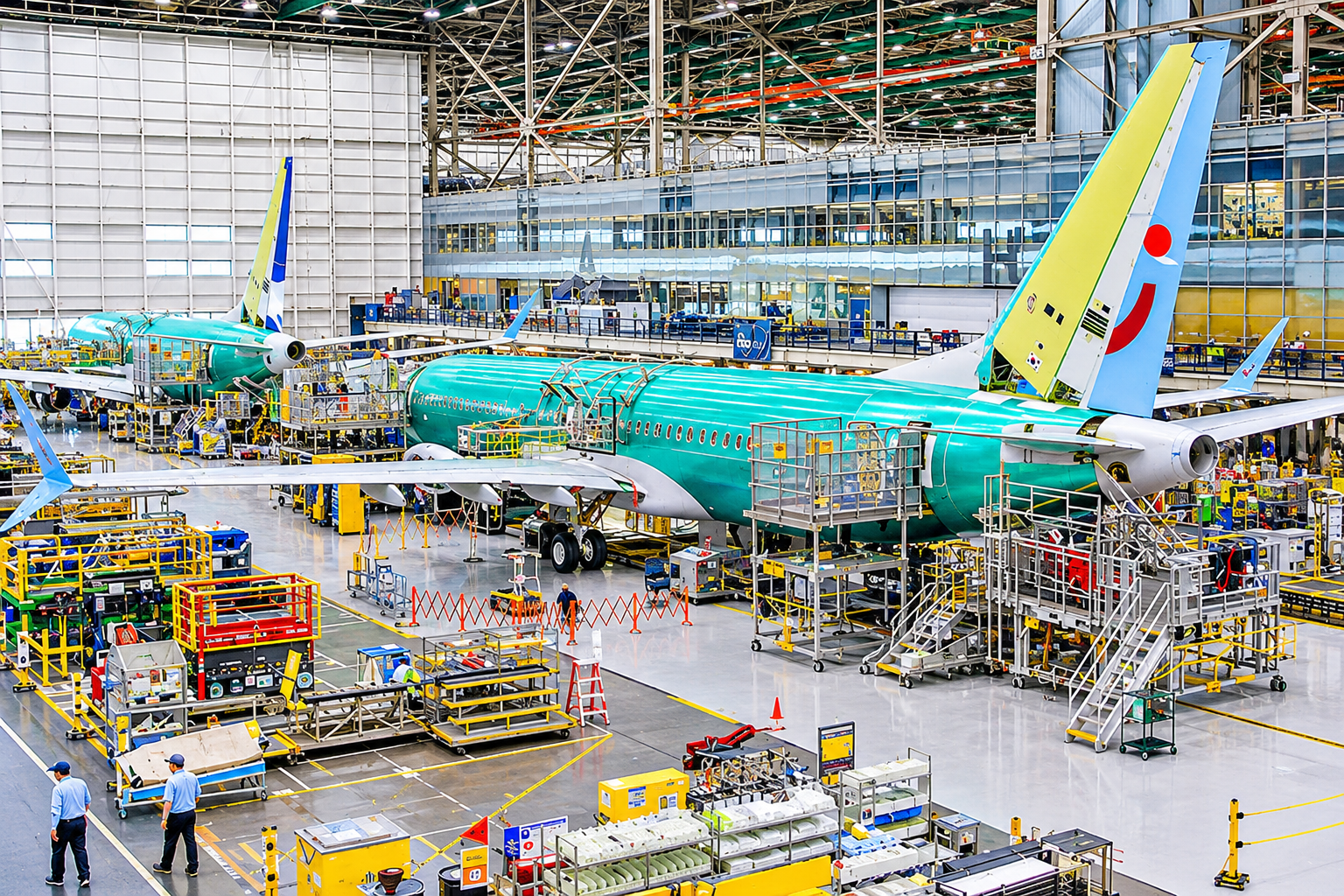
Cost reduction is proceeding alongside an aircraft order book of approximately 600 jets, including 80 wide-body aircraft. That scale makes the program more than a fleet purchase: new aircraft require financing, trained crews, maintenance capacity, spare parts, information-system support and schedules capable of using the added capacity productively.
Delivery delays and component shortages have already slowed modernization. That creates a difficult transition period in which Air India must fund future growth while continuing to operate aircraft that may not yet deliver the intended gains in capacity, reliability or operating efficiency. Delayed wide-body availability also limits how quickly management can execute a redesigned long-haul network.
Tata Group leaders reviewed Air India’s finances, operating challenges and plans at the airline’s Gurugram headquarters on November 19. The immediate spending controls may lower discretionary costs, but the larger test is whether shared functions and hub rebalancing can improve aircraft utilization without creating new organizational bottlenecks. Air India’s roughly 600-aircraft ambition will depend on that operating system being ready when delayed jets and components finally arrive.
| More aerospace and engineering stories, right in your MSN feed. Follow AMI on MSN |
By Thomas Caldwell — AMI’s senior editor for mechanical and mobility engineering, covering vehicle electronics, systems integration, electrification, chassis systems, propulsion, and safety policy.