Ukraine’s 63 Refinery Strikes Rarely Caused Prolonged Russian Fuel Stoppages
Images of burning Russian oil facilities suggested extensive disruption, but sales data present a more complicated result. An analysis of 63 Ukrainian drone and missile strikes recorded between April and late September found that only 10 percent caused fuel-sales stoppages lasting at least three weeks. The campaign strained Russia’s refining system and reached consumers through shortages and higher costs, yet most individual facilities maintained sales or recovered relatively quickly..

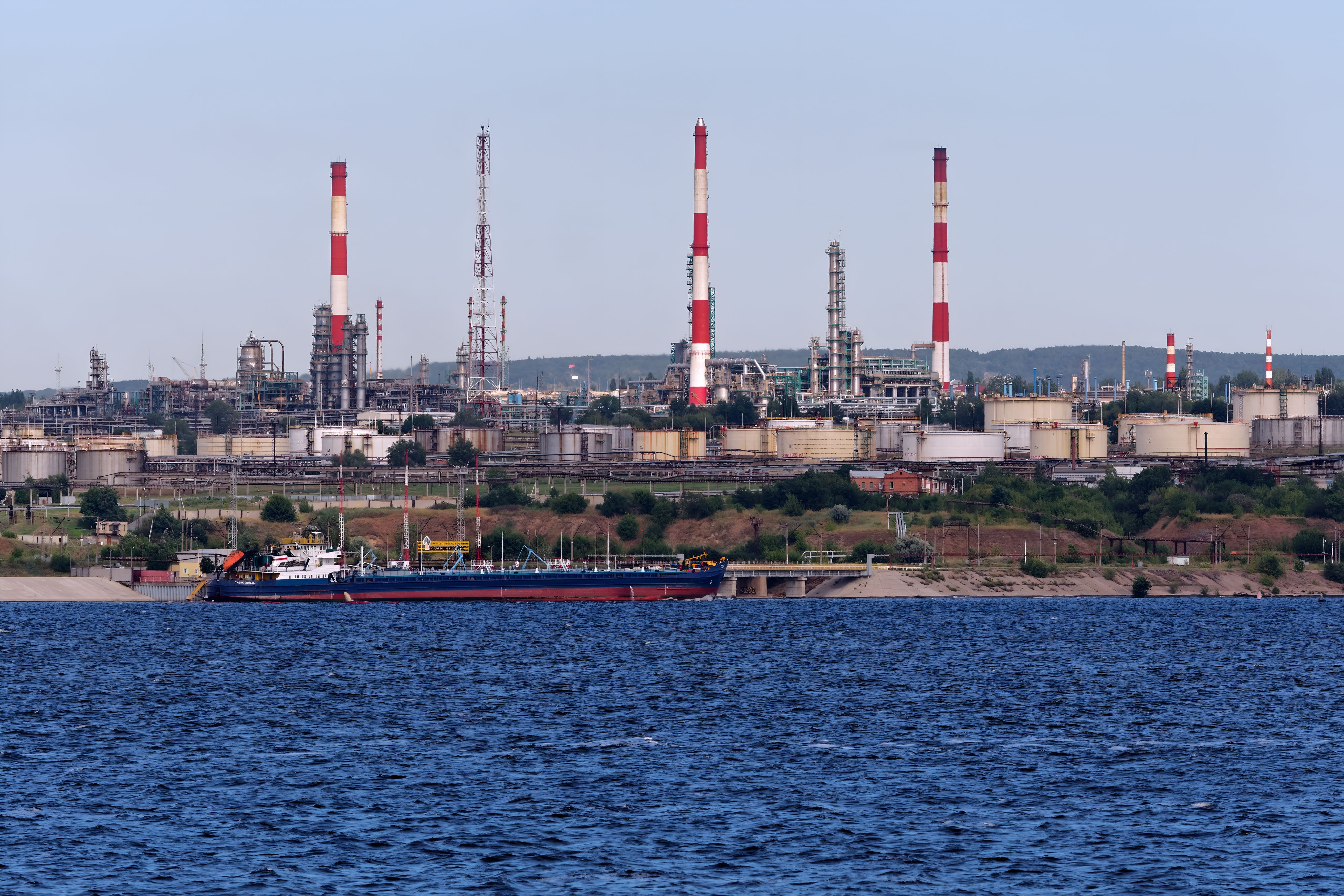
The assessment examined daily gasoline and diesel sales from Russia’s 12 largest refineries, which together represent 75 percent of national refining capacity. Sales stopped after 20 percent of the recorded strikes. In 40 percent of cases, sales declined by less than half, while another 40 percent produced no measurable sales-volume effect even though photographs indicated that the facility had been hit.
Those figures expose the gap between visible damage and sustained industrial loss. A strike can cause a fire, damage equipment or interrupt one part of a large processing site without stopping every production unit, storage function or outbound sale. Sales data also capture the refinery as an operating system rather than treating visible damage as a proxy for total output.
Short outages still accumulated into national pressure
The relatively small share of prolonged stoppages does not mean the campaign lacked economic consequences. By early July, approximately 30 percent of Russia’s total refining capacity was simultaneously shut as seasonal demand increased. That aggregate constraint can become serious even when no single refinery remains offline for an extended period: overlapping repairs reduce spare capacity and leave the distribution network less able to absorb another interruption.
Russia’s supply response provides a second measure of the pressure. Kpler data put maritime petrol imports at a record 390,000 tonnes in October, more than 10 percent of national consumption. Deputy Prime Minister Alexander Novak acknowledged shortages and estimated the deficit at about 5 percent of consumption. Russia also restricted petrol exports in February and diesel exports from August, while oil companies were required to guarantee supplies to major consumers.
Imports and export controls function as network-level buffers. They can keep fuel moving even when domestic refining is constrained, but they transfer the burden rather than eliminating it. Imported product must be purchased and transported, while limiting exports changes where domestically produced fuel can be sold. The reported use of subsidized imports added pressure to the federal budget, and refinery repairs could cost oil companies billions of dollars.
The consumer effects were uneven but visible. Levada Centre polling cited in the analysis found that two-thirds of Russians had been affected to varying degrees by Ukrainian strikes. The share describing petrol shortages as significant in their lives fell from almost one-quarter at the end of June to 11 percent by the end of August, consistent with a system that experienced disruption and then regained some stability.
Repair speed defined the campaign’s limit
From August, the intensity of Ukrainian attacks declined while repair work accelerated. By early September, the assessment described the campaign’s most acute phase as over. That combination gave refinery operators more time to restore equipment, redirect production and use capacity elsewhere in the network.
This is the central reliability distinction: resilience does not require every refinery to avoid damage. It requires the larger system to preserve enough output, inventory and distribution capacity to prevent local failures from becoming persistent national shutdowns. Russia paid for that resilience through repairs, imports, export restrictions and consumer disruption, but the available sales data indicate that it generally prevented spectacular individual strikes from becoming long-duration stoppages.
Refinery outages can still affect prices without closing an entire plant. A study of U.S. wholesale gasoline markets found a statistically significant positive price effect from refinery outages, with larger effects for specialized fuel blends. Although that research covered a different country and period, it illustrates why reduced flexibility and overlapping outages can raise costs even when fuel continues to leave operating refineries.
The campaign therefore produced a meaningful supply and repair burden but did not force a broader shutdown of Russian industry or exports. Its clearest measured limit is also its most striking number: among 63 recorded attacks, roughly nine in 10 failed to stop refinery fuel sales for three weeks or longer.
| More aerospace and engineering stories, right in your MSN feed. Follow AMI on MSN |
By Stephen Wallace — Editor for AMI’s aerospace integration and unmanned mobility coverage, focused on drone manufacturing, VTOL systems, autonomous networks, and air-ground mobility links.