Rocket Lab’s Neutron tank test failure puts composite hardware back in the spotlight
“How much schedule risk can a new medium-lift rocket absorb before the factory rhythm, not the launch pad, becomes the real constraint?”

Rocket Lab’s Neutron development was at a critical point when there was a failure of the first-stage tank during a hydrostatic pressure test in the state of Virginia. While the test was designed to test the limits of the structure by filling it with water, the outcome still resulted in a data-driven reset instead of a smooth transition into the next phase. According to Rocket Lab, the process was part of the qualification phase, as they explained: “We intentionally test structures to their limits to validate structural integrity and safety margins to ensure the robust requirements for a successful launch can be comfortably met.”
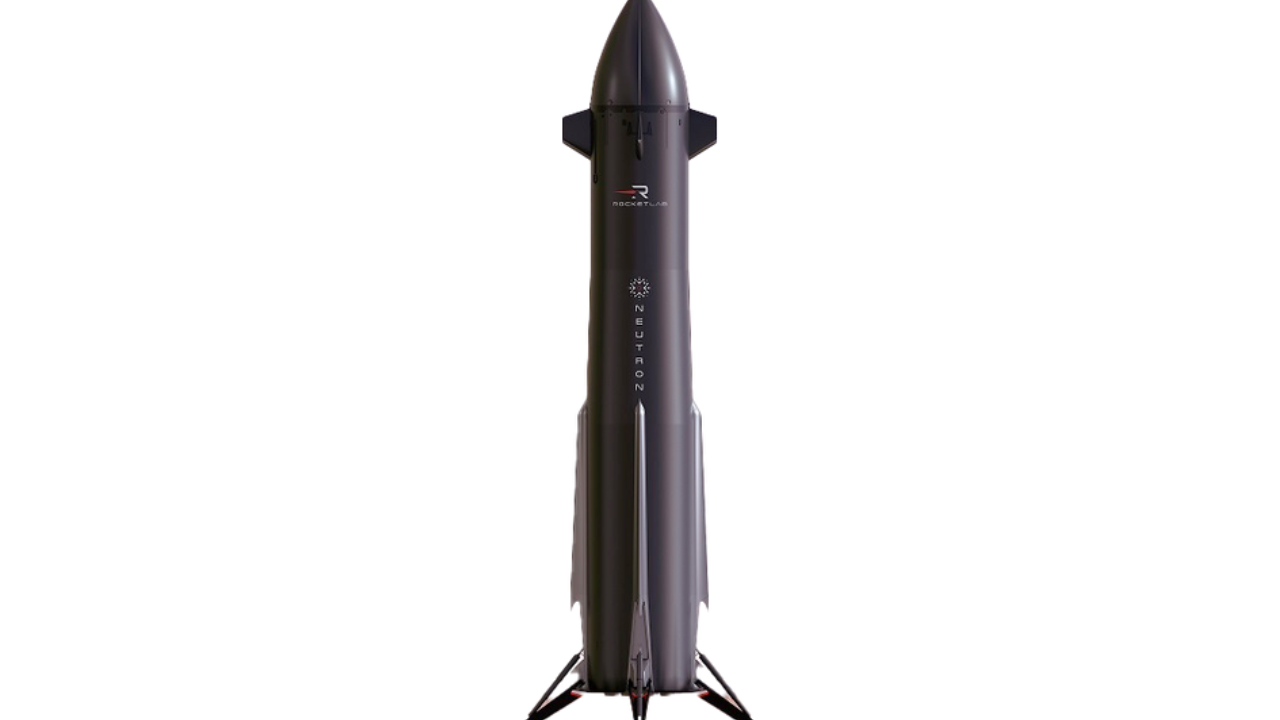
The first operational implication is obvious: the tanking hardware appears to be lost, although Rocket Lab did say that there was no significant damage to infrastructure, and a new Stage 1 tank is already in production. This is significant because Neutron is not an evolutionary step from Electron on paper; it is a different scale altogether. The rocket stands 141 feet (43 meters) tall and has the ability to place 28,700 pounds (13,000 kilograms) into low Earth orbit, which is a different market and puts the company into direct competition for missions that require both mass and high cadence.
Hydrostatic testing can be harsh, and Rocket Lab has stated, “Testing failures are not uncommon during qualification testing.” The catch for Neutron is that the failed component is where the company is making two bets: reusability and carbon composite primary structures. A tank failure is more than a component swap-out. It can start a re-evaluation of the manufacturing variation, the inspection process, and how conservative the acceptance criteria have to be before flight hardware is accepted for stacking and propulsion testing.
This sensitivity to schedule is further exacerbated by what Neutron still has to prove on the ground. The first stage of the rocket will use Rocket Lab’s Archimedes engines, and the campaign includes pad testing and a full-up static fire sequence before any first-of-a-kind attempt. Rocket Lab has stated that it will provide a schedule update in February during its Q4 2025 earnings call, following the review of the Stage 1 test data and how the ripples will extend into the balance of the qualification schedule.
But in the same week that brought about uncertainty with the tank failure, there was also significant Neutron hardware moving towards operational readiness. Rocket Lab has already finished Launch Complex 3 at Wallops, and the team has also been developing their proprietary payload enclosure system, which is an 18-foot diameter fairing that opens and closes in a clamshell manner. The “Hungry Hippo” fairing halves have arrived at Wallops after a month-long sea journey from New Zealand, and Rocket Lab has announced that the system is reusable hardware that will remain mated to the first stage instead of being jettisoned. This is a powerful combination that helps to explain why a tank rupture event is a different story for a Neutron than perhaps a more conventional, expendable system. When reusability is a requirement, margin becomes more than just a checkbox to get certified; it becomes a function of throughput and how many times a stage can be flipped and how well a customer can plan. For now, the tale of Neutron is being written less in the milestones of the countdown than in what the data from one tank rupture has to say about the production path to a repeatable medium-lift launch vehicle.