Artemis II Astronaut Jeremy Hansen Moves to CSA Reservist Role
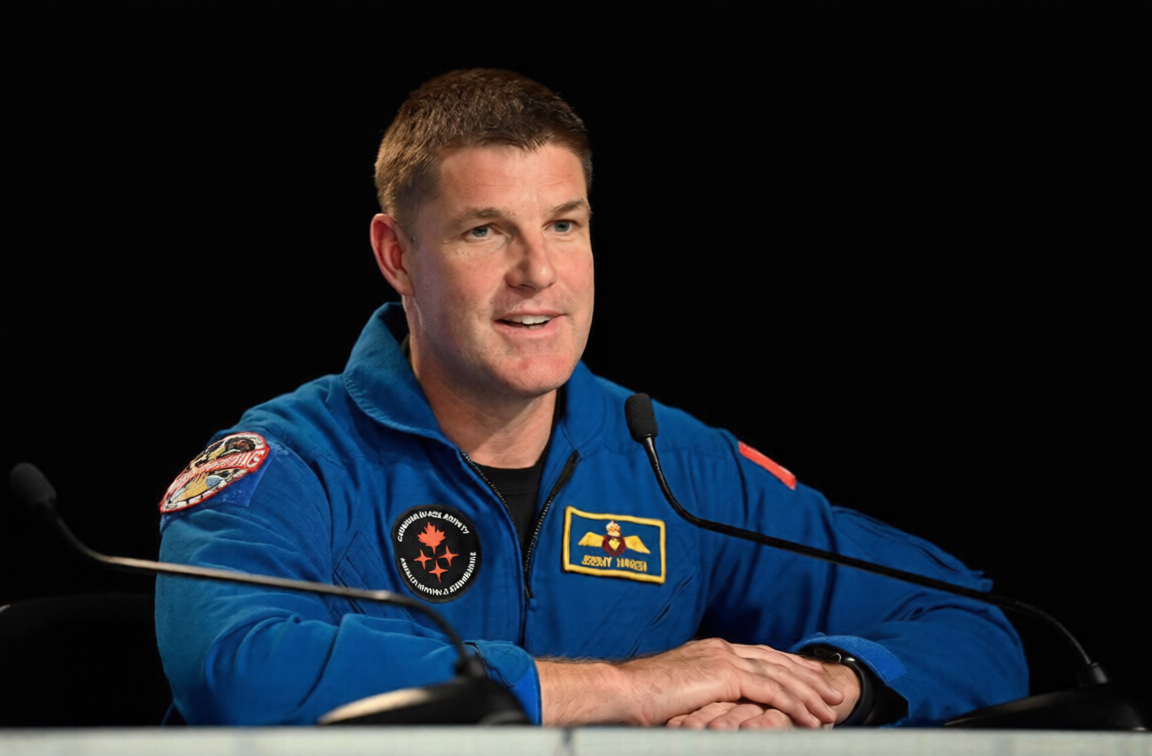
Canadian Mission Specialist of NASA’s Artemis II mission, Jeremy Hansen, declared that he will resign from Canadian Space Agency after 17 years of active service and will become a reservist, not retire from space. This is very significant. In the words of Hansen himself, this is “far from a departure” because he wants to ensure “creative, ongoing ways” of involvement in the Canadian space industry. In addition, Hansen stated that he will continue “to help out the Canadian space industry.”

For the U.S. public, this is not about any changes within the framework of Artemis but rather a continuation of the space cooperation between Canada and the USA. Considering the analysis of Hansen’s declarations and reactions to them from the side of Canadian Space Agency, this can be described as the case of career transition of an astronaut, not any change of a mission or program.
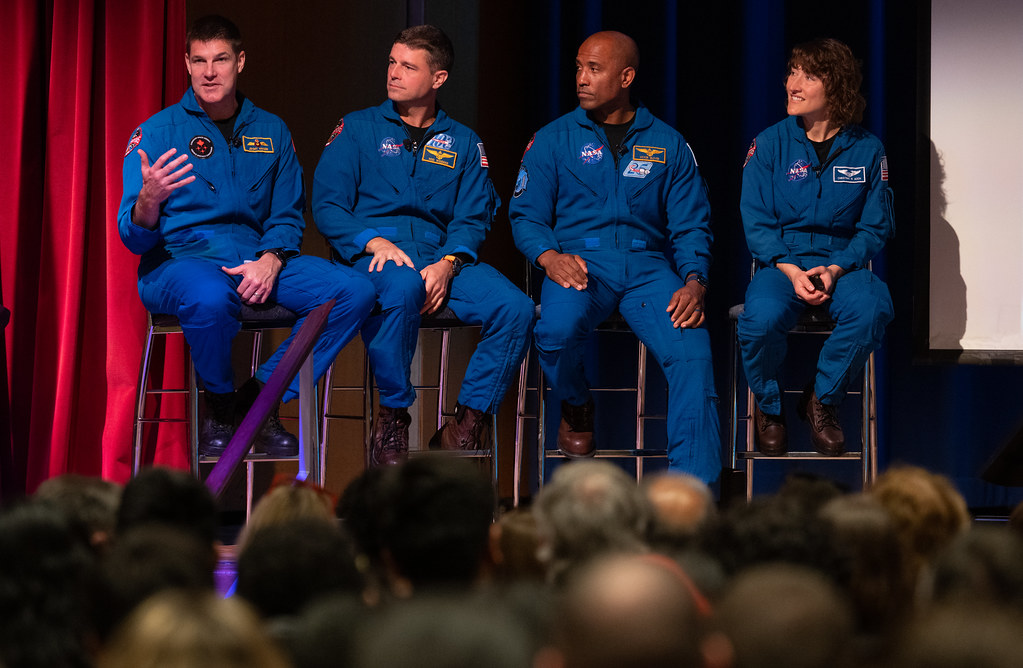
The profile of Hansen in the Artemis era attracts particular interest. The Canadian astronaut participated in 10-day mission to fly around the far side of the moon and back aboard Orion with three American astronauts as a mission specialist on board Artemis II in April. The mission itself was declared as the first-ever NASA mission beyond low Earth orbit in more than 50 years, as well as part of NASA’s program of return to the Moon.
Therefore, Hansen is not only a representative of his country but also an example of the way in which NASA’s program of flights to the Moon is built upon alliances, training pipeline, and long-term relationships rather than just symbolic crew assignment. From a technical standpoint, any changes in an astronaut corps of a partner nation may attract attention as the programs of human space flights include long-term processes, such as training, learning, simulations, public relations, etc.
However, there is one point which should be particularly emphasized here. There is no any information about the influence of the transition of Hansen to a reservist on Artemis II mission or subsequent flights. There are no any announcements about changes in the plans concerning crewing, hardware, and/or scheduling, and there are no any hints that participation of Canada in the project of cooperative space exploration is reduced.
On the contrary, the information provided refers to quite an opposite situation. Canadian Space Agency notes that Hansen will stop being an active astronaut, but Hansen will remain a Canadian ambassador of its future in space and spirit of discoveries. The contribution of Hansen is considered historical due to the connection between astronautic missions and national identity.
Moreover, Hansen uses the forward-looking rhetoric, declaring that his new position as a reservist will be used as a “launchpad” for further actions in support of space-related projects, as innovations and explorations are important in this case. Hansen thanked Canadian Space Agency, NASA, and his family, finishing with words “The mission continues.”
Furthermore, there is the broader institutional context of this statement. No major lunar program can be implemented with the help of a single flight or astronaut class. Continuity in engineering, astronautical, training organizations, industrial suppliers, and international partners is the key to success.
Public faces of an astronaut corps are only a tiny part of this picture as this is another level in the complex structure of spacecraft development, mission operation, and long-horizon planning. Therefore, transition of Hansen should be seen as an important event in the mature partnership, not a sign of approaching turmoil. Canada is a reliable partner in human space exploration, and Hansen’s transition to a reservist implies continuity, not withdrawal.
For Artemis enthusiasts, the conclusion from the technical standpoint of this announcement is clear: transition of Hansen to a reservist position does not have any influence on NASA-Canada exploration relationship, at least according to public statements. In the program of such nature, where endurance matters even more than any spectacular launches, this is a true story.
David Whitaker — Associate editor for AMI’s aerospace and drone systems desk, translating flight systems, aircraft programs, spaceflight, and UAV developments into accessible technical stories.