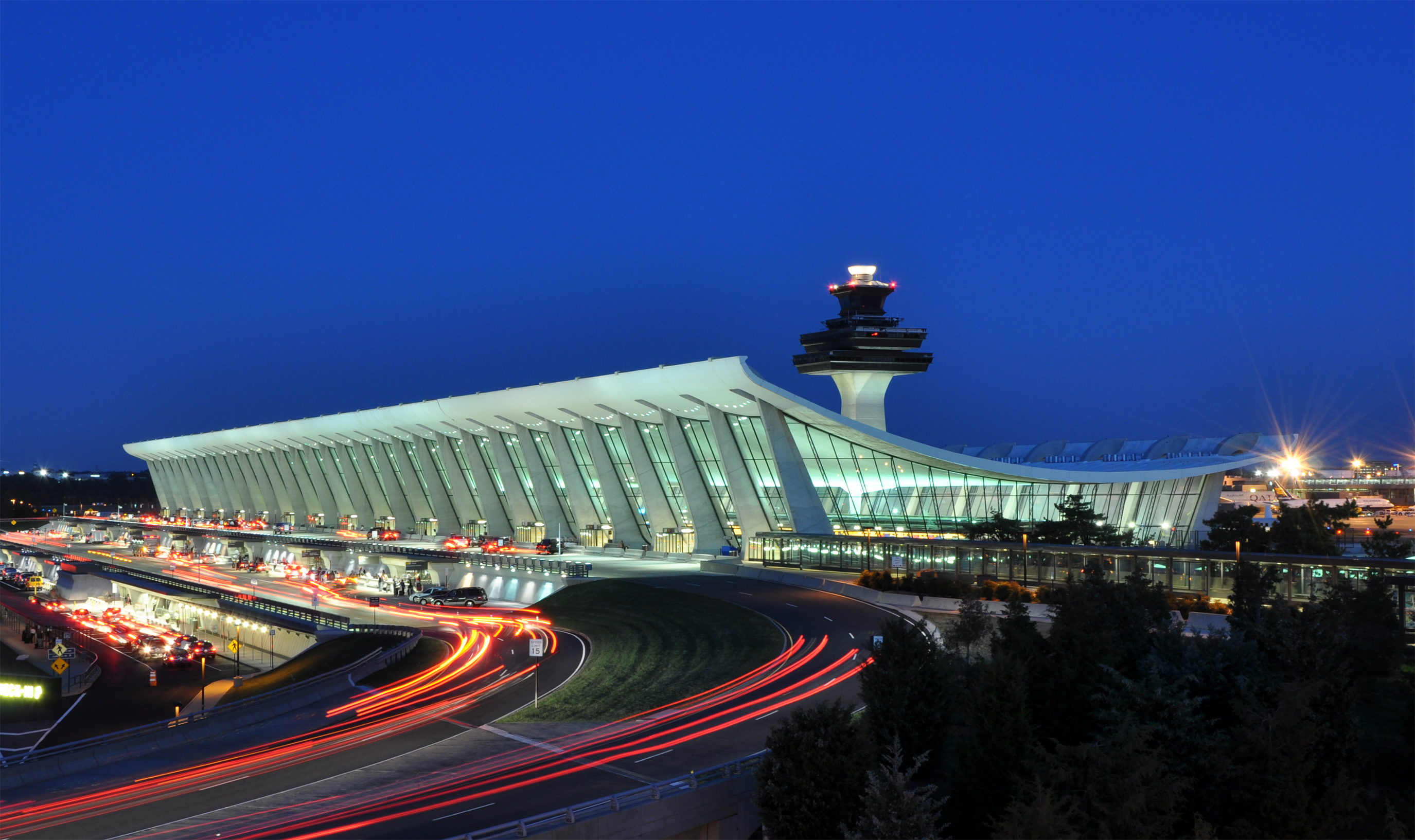
Dulles Airport’s $22.5 Billion Overhaul Starts Spring 2027 While Airport Stays Open
Washington Dulles International Airport’s $22.5 billion overhaul is scheduled to begin in spring 2027, federal officials announced on July 29, 2026, with more than 5 million square feet of space to be added or renovated while the airport remains open. The Department of Transportation’s plan calls for work to proceed in phases over several years, coordinated by the Metropolitan Washington Airports Authority, United Airlines, other carriers and airport partners.

The proposed transformation covers new and modernized concourses, an expanded main terminal, upgraded ticketing and boarding areas, a larger U.S. Customs facility and a new baggage-handling system. Plans also include expanded AeroTrain service and a central pedestrian connection intended to replace the airport’s mobile-lounge vehicles. Officials have separately described a close-in garage with 32,000 parking spaces.
The airport must replace working systems without stopping them
The defining engineering challenge is not simply the program’s size. It is the need to replace or relocate infrastructure that supports daily passenger processing before the existing equipment and facilities can be taken out of service. Baggage systems, security checkpoints, international-arrival functions, utilities, gates and passenger circulation routes cannot all be interrupted at once.
That makes commissioning sequence as important as construction speed. A replacement central utility plant, for example, must be operating before the existing plant can be decommissioned and terminal expansion can proceed. New baggage, customs and passenger-routing facilities likewise have to be tested and accepted before traffic shifts away from current systems. Each transition introduces interfaces among construction teams, airport operators, airlines, security agencies and customs personnel.
The Airports Authority is using progressive design-build delivery for an initial package, with phased notices to proceed and open-book pricing. That approach can let design, cost development and construction sequencing advance together, rather than requiring every detail to be fixed before work begins. Its practical value at an operating airport is flexibility: designs and temporary operating arrangements can be refined as teams identify field conditions and operational constraints. The tradeoff is that the public cost and final division of work may remain less certain until designs and pricing mature.
AeroTrain expansion is a larger systems-integration task
Replacing the mobile lounges is the most visible passenger-facing promise, but the rail expansion is not a standalone equipment swap. Procurement information indicates that major AeroTrain extensions are outside the initial construction package. Early work instead prepares passenger-processing facilities and physical interfaces for later rail projects.
That distinction matters because new concourses, walkways, customs processing and rail service must function as one network. If a concourse opens before its permanent train connection or passenger spine is ready, temporary routing may still be required. Officials have not published a complete phasing plan showing when individual mobile-lounge routes would retire, how passengers would be redirected or when each AeroTrain segment would enter service.
Some modernization is already underway. The first segment of Concourse E is scheduled to open later in 2026 with 14 United gates and direct AeroTrain access. That work provides an early capacity addition, but it is only one part of the broader redevelopment and should not be treated as evidence that every later package has the same schedule or approvals.
Financing leaves an important passenger-cost question open
The announced program expands a previously allocated $7 billion modernization effort. The Airports Authority and airlines expect to finance new terminal and concourse facilities largely through municipal bonds, airport-generated revenue and airline contributions, while other portions may use public-private investment.
Officials have said the program does not require federal dollars, but they have not provided a complete funding allocation or explained whether financing costs could eventually affect airline charges, passenger facility fees or other airport-user costs. Municipal bonds can reduce borrowing costs compared with private-sector debt, yet repayment still requires a dependable revenue stream. Until the financing structure is published in greater detail, travelers cannot determine how much of the program’s cost may ultimately flow through airport or airline charges.
A 2034 completion target has been associated with the initial procurement and reported planning schedule, but it is not a firmly confirmed deadline for every element of the $22.5 billion transformation. Contract award for the initial package has been targeted for early 2027, while portions of the work still require environmental and historic-preservation approvals. No official revised completion date or documented cost increase has been announced.
Dulles passengers may eventually gain shorter and more predictable routes to gates, expanded customs capacity, modern baggage handling and less dependence on mobile lounges. Delivering those benefits, however, depends on disciplined phasing across utilities, security, baggage, rail and terminal systems. For a project of this scale, keeping the airport safe and reliable throughout construction is not a secondary condition it is the central measure of successful delivery.
By Thomas Caldwell — AMI’s senior editor for mechanical and mobility engineering, covering vehicle electronics, systems integration, electrification, chassis systems, propulsion, and safety policy.