FAA Investigates Two American Airlines Jets Sharing a Radio Identity in Phoenix
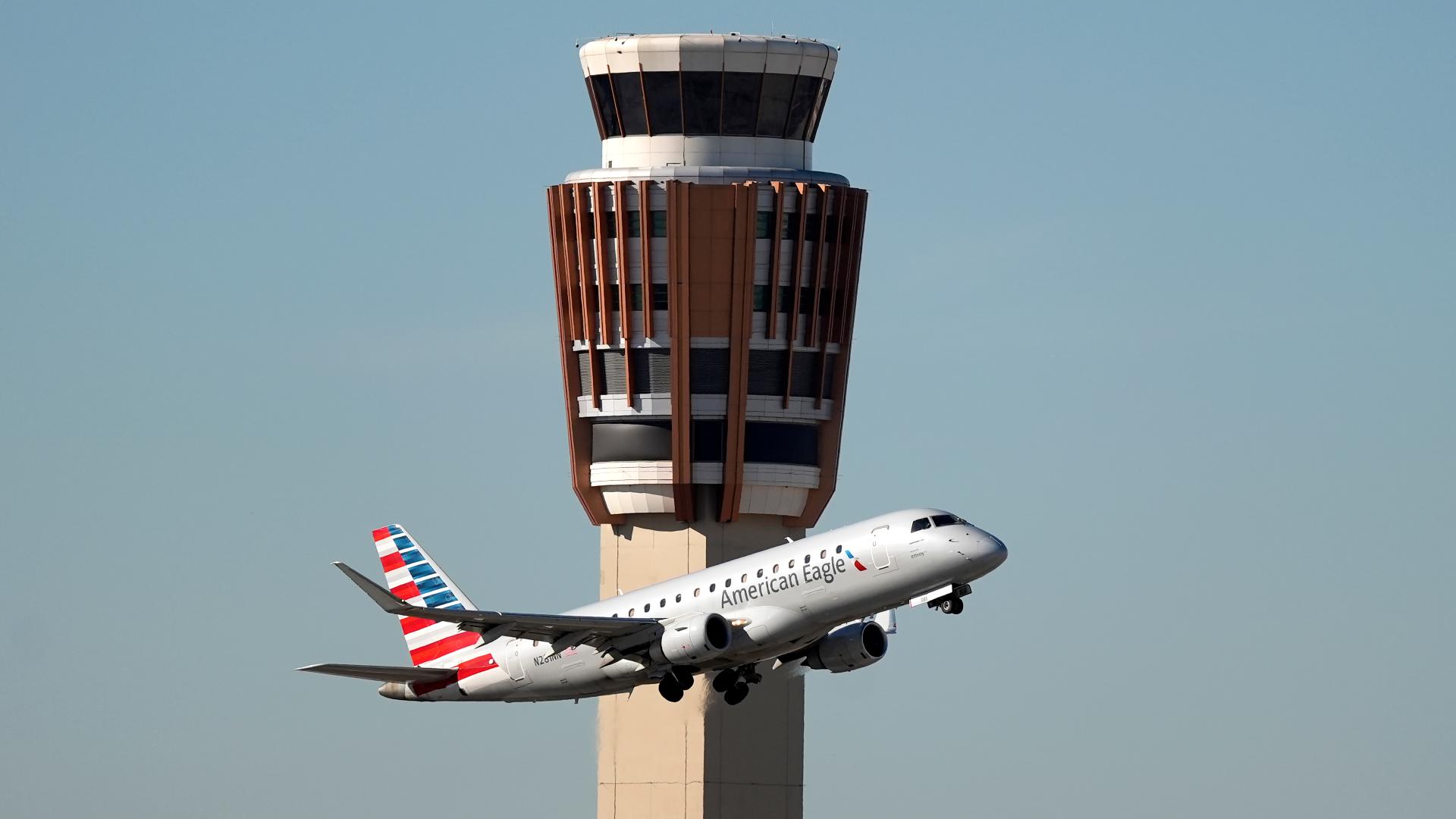
The Federal Aviation Administration is investigating after two American Airlines jets used the same radio call sign and frequency while one arrived at Phoenix Sky Harbor International Airport and the other departed. A controller distinguished the aircraft as arriving and departing, and the FAA said required separation was maintained throughout the event.
American Airlines attributed the overlap to a delayed inbound aircraft. The scheduled aircraft was supposed to arrive from Chicago, board new passengers and return to Chicago under the same flight number. When the inbound trip fell behind schedule, the airline substituted another aircraft for passengers waiting in Phoenix, allowing the departing and delayed flights to operate at the same time.
That explanation is the airline’s account, not an FAA finding. American said it is reviewing the two flights and credited the pilots and controllers with identifying and addressing the duplicate call sign. Both flights continued safely and without incident.
A simple descriptor separated two identical identities
The controller’s immediate problem was identification. Airline crews generally use an airline name and flight number as their spoken radio identity. If two aircraft from the same carrier use the same number on the same frequency, an instruction addressed only to that identity can be ambiguous.
A local account reported that both crews responded to an altitude instruction before the controller clarified which aircraft should follow it. The controller then added functional descriptors “departing” for one jet and “arriving” for the other to separate the radio traffic. That wording supplied information the duplicated number could not.
The available accounts contain an unresolved numerical discrepancy. Both aircraft are identified as Flight 2482, but one quoted controller transmission refers to “American 2842 departing” while identifying the other as “American 2482 arriving.” Until official records or a verified transcript resolve that difference, it should not be treated as proof that one aircraft had already received a formally different call sign.
Why call-sign ambiguity is a human-factors problem
Duplicate or similar call signs do not by themselves establish a loss of separation. Their significance lies in the extra identification burden they place on pilots and controllers, particularly when crews are listening for expected instructions amid rapid exchanges containing headings, altitudes, frequencies and other numbers.
NASA’s Aviation Safety Reporting System discussion of call-sign confusion describes expectation as an important part of the problem. A pilot waiting for a clearance may interpret a similar identity as their own, while a controller expecting the intended crew to answer may initially accept a readback from the wrong aircraft. Blocked or overlapping transmissions can make that readback-and-hearback check harder.
The Phoenix event also illustrates how an airline schedule can create an identity conflict even when the published rotation appears orderly. Reusing one flight number for both directions of a round trip does not necessarily produce simultaneous operations when the same aircraft completes both legs. A substantial inbound delay combined with a replacement aircraft, however, can cause the planned sequence to overlap.
For passengers, substituting an aircraft can reduce the disruption caused by waiting for a late inbound jet. The systems cost is that dispatch, flight operations and air traffic control may need to manage two active aircraft identities that the original schedule did not place together. In Phoenix, the controller’s recognition and added descriptors provided the necessary distinction, while required physical separation remained intact.
What the investigation still must establish
No official cause, procedural deficiency or corrective action has been announced. The FAA investigation may clarify when the duplicate identity became apparent, what information was available to the airline and controllers, and whether existing call-sign management procedures were followed. American’s separate review may examine how its delayed rotation and aircraft substitution produced the overlap.
The confirmed safety boundary is important: the FAA says separation was maintained, so the event should not be characterized as a near collision or an official safety failure. The unresolved issue is narrower but operationally significant how two aircraft with the same spoken identity reached the same Phoenix frequency, and whether the system should have differentiated them before a controller had to do so in real time.
By Thomas Caldwell — AMI’s senior editor for mechanical and mobility engineering, covering vehicle electronics, systems integration, electrification, chassis systems, propulsion, and safety policy.