GM Requires New Genuine Parts for Driver-Assistance Repairs, Excluding Aftermarket and Reused Options
General Motors is drawing a firm line between lower-cost replacement parts and the controlled component history it wants for collision repairs involving driver-assistance systems. Its updated position calls for new GM Genuine Parts when affected cameras, radar units, sensors or related hardware must be replaced, excluding aftermarket, used, recycled, salvaged, reconditioned and remanufactured alternatives.

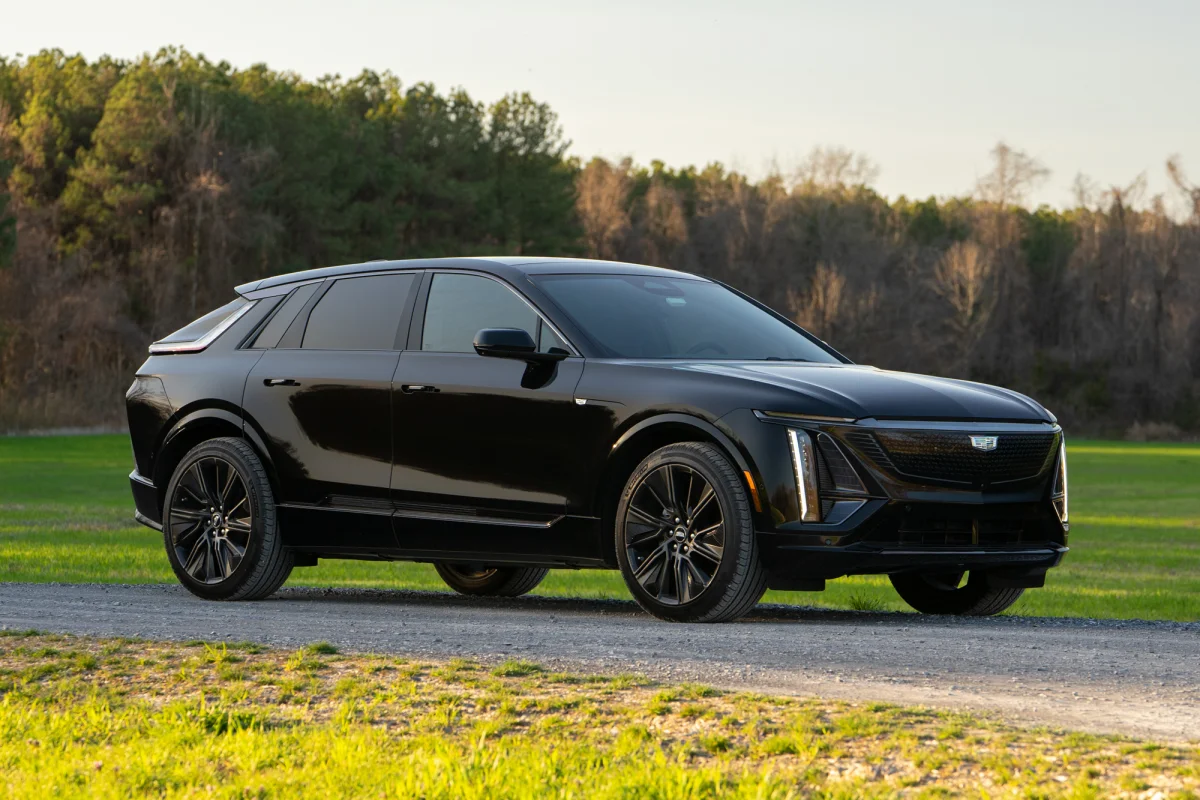
The requirement applies to Chevrolet, Buick, GMC and Cadillac vehicles and is not a blanket prohibition on every aftermarket vehicle part. It specifically addresses collision and system-dependent repairs where component condition, mounting geometry, software setup or calibration can influence a driver-assistance function. An I-CAR summary of GM’s revised position statements advises repairers to consult vehicle-specific service information before beginning work.
Why a functional-looking sensor may not be enough
A camera or radar unit can appear undamaged without providing the documented condition and service history GM requires. The automaker says it cannot confirm that salvaged, recycled, used or aftermarket parts meet its safety, performance and durability requirements because it did not design, engineer, test or validate those parts for the repaired vehicle.
That concern extends beyond the electronic sensor itself. GM’s position covers cameras, radar units, other sensors, control modules, wiring, brackets and mounting hardware. These parts operate as an installed system: a sensor must be electrically compatible, securely mounted in its specified position, programmed where required and then aimed or calibrated using the applicable procedure. Replacing only the obvious damaged item does not remove the need to verify the surrounding installation.
This is why mounting integrity matters as much as component identity. Driver-assistance functions interpret the road through cameras and radar units fixed to specific locations and angles. Brackets, fasteners, bumper fascias and windshields can therefore be part of the measurement chain rather than passive body or trim pieces. GM previously took a strict position against aftermarket, reconditioned and salvaged replacement bumpers and fascias on vehicles where those components support driver-assistance hardware.
Accessories and chassis changes add another variable
GM also warns that some accessories may interfere with system operation, including protective films, covers, stickers, window tint, magnets, hood protectors, light bars and cargo racks. That warning does not establish that every installation will cause a failure. It identifies objects or materials that can obstruct a sensing area, alter its optical or electromagnetic environment, or otherwise conflict with the vehicle-specific installation requirements.
The same systems-level reasoning applies to suspension, steering, wheels and tires. GM does not recommend modifications that affect ride height, alignment or handling, including lift or lowering kits. Changing the vehicle’s stance can change the installed orientation from which a camera or radar unit observes its surroundings. Calibration is intended to restore the system to its specified configuration; it is not evidence that every altered mechanical setup has been validated by the manufacturer.
The warranty consequence is narrower than a total cancellation
GM says damage, failures or system problems caused by an aftermarket part are not covered by its new-vehicle limited warranty or service plans. That is an important boundary: the position does not state that installing one non-GM component automatically cancels all coverage throughout the vehicle. The stated consequence concerns problems attributed to the alternative part.
The language became progressively firmer during 2026. In March, GM described aftermarket and non-Genuine components around driver-assistance sensors as “not recommended.” By April, the position said salvaged, recycled, reconditioned, remanufactured, aftermarket and other secondary-market cameras, radar units, sensors and related components were not approved. Later revisions added “strictly prohibited” language.
The Automotive Recyclers Association objects to excluding recycled original-equipment parts, arguing that properly inspected components should remain an affordable option when they can meet testing and calibration requirements. That argument captures the consumer-cost tension, but it does not by itself demonstrate equivalent performance or traceability across all reused components and installations.
For owners and repairers, GM’s position converts part provenance into a repair requirement alongside programming, aiming and calibration. The tradeoff is direct: a controlled new-part pathway reduces uncertainty over prior damage and service history, while removing cheaper secondary-market choices from driver-assistance repairs performed under GM procedures.
| More aerospace and engineering stories, right in your MSN feed. Follow AMI on MSN |
By Thomas Caldwell — AMI’s senior editor for mechanical and mobility engineering, covering vehicle electronics, systems integration, electrification, chassis systems, propulsion, and safety policy.