PG&E Adds More Electric Cars for Home Backup, Offers Installation Incentives
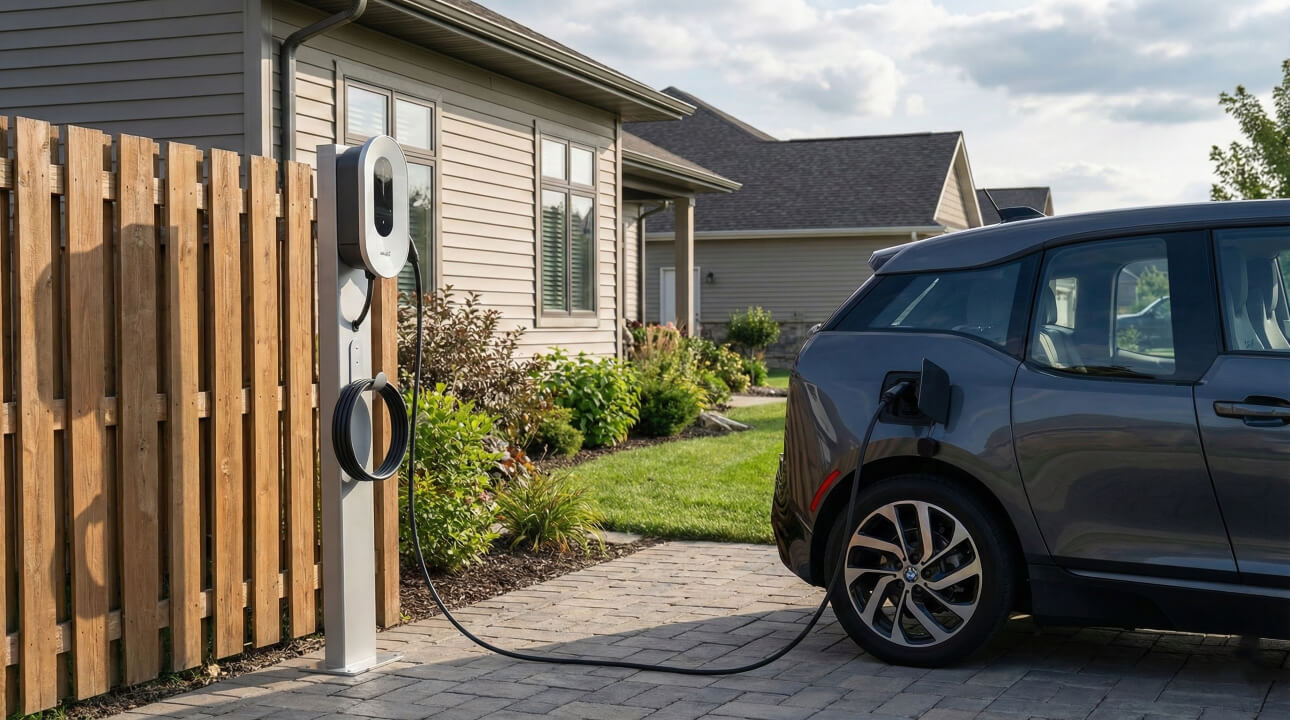
An electric vehicle does not become a home battery through vehicle capability alone. The car, bidirectional charger, control software, household electrical system and utility program must operate as an approved combination. PG&E’s newly expanded program gives more California customers access to those validated pairings and offers qualifying customers financial help with the required equipment.
PG&E announced the expansion on August 24. Compatible systems can draw electricity from the grid to charge an EV, then reverse the flow so energy stored in the vehicle can supply a home during an outage. Depending on the approved configuration, that stored energy may also help a household avoid using more expensive electricity during peak hours or send power to the grid.
Eligibility depends on the complete hardware pairing
The newly eligible combinations include the 2018-2025 Nissan Leaf, 2025 Volvo EX90 and 2025 Polestar 3 when paired with a dcbel Ara charger. Kia EV9 models from 2024 onward and Kia EV6 models from 2025 onward qualify with the Wallbox Quasar 2.
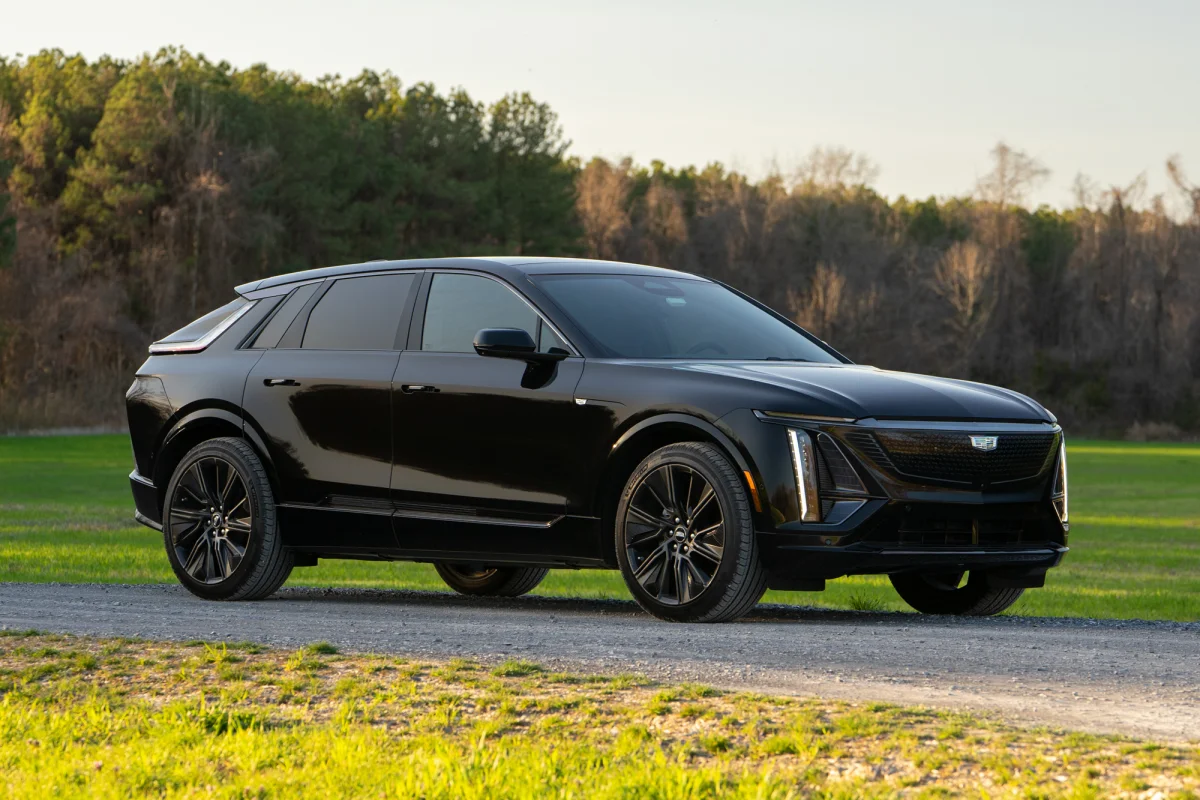
PG&E also added the 2027 Chevrolet Bolt, Cadillac Celestiq models from 2025 onward and Cadillac Escalade IQL models from 2025 onward. Some Ford, Tesla, Chevrolet, GMC and Cadillac vehicles were already represented in the program. Bidirectional Energy and PowerFlex have joined as approved technology partners.
Those lists matter because bidirectional capability is not interchangeable across an automaker’s entire lineup. A vehicle may contain a large traction battery and still be ineligible if its power electronics, communications, charger or home-integration equipment do not match a configuration approved by the program. PG&E also cautions that available functions vary by vehicle-and-charger combination.
In systems terms, the charger is doing considerably more than filling a battery. It must manage power in both directions while coordinating the vehicle, home and utility connection. The software layer then determines when energy is stored or released within the functions supported by that particular installation.
The incentives come in separate layers
PG&E’s standard residential incentive is $2,500. It rises to $3,000 for qualifying customers in disadvantaged communities, while the first 250 customers enrolled can receive an additional $1,500 early-adopter incentive.
A separate pool of California Energy Commission grant funding can provide eligible Californians with up to $13,000 in additional incentives for specified offerings, subject to further requirements. That maximum should not be confused with PG&E’s standard residential payment: it is separate grant-supported assistance, not the base incentive available automatically to every participant.
Installation cost remains an important access constraint. Home-backup operation requires more than a conventional one-way charger, and the installation must connect the vehicle safely to household power. The incentives are intended to reduce that equipment and installation barrier, but eligibility still depends on the customer, location and approved system selected.
Home resilience is the immediate practical benefit
For a qualifying household, the clearest benefit is backup electricity during an outage while the compatible vehicle is connected and has usable energy available. PG&E also describes a “charge low, use high” strategy: charge when electricity costs less, then draw from the EV during the utility’s 4-9 p.m. peak period.
PG&E says wider use could ease pressure on California’s electrical system during extreme weather or periods of high demand. That is a potential program benefit, not a measured result of this expansion. Actual grid value will depend on how many systems are installed, when vehicles are plugged in and whether customers make battery capacity available when demand is high.
The expansion nevertheless addresses a central constraint on vehicle-to-home deployment: commercially available cars are useful only when compatible chargers, software partners and utility rules are ready at the same time. Enrollment remains open to qualifying residential and commercial customers through June 30, 2027, making the approved vehicle-and-charger list not the automaker badge the decisive starting point for anyone considering an installation.
| More aerospace and engineering stories, right in your MSN feed. Follow AMI on MSN |
By Thomas Caldwell — AMI’s senior editor for mechanical and mobility engineering, covering vehicle electronics, systems integration, electrification, chassis systems, propulsion, and safety policy.