Pentagon’s 21-Day Missile Directive Confronts Years-Long Production Schedules
The Pentagon has given U.S. weapons manufacturers 21 days to propose faster deliveries, higher production of critical missile capabilities or both. The deadline is measured in weeks, but the capacity problem behind it is measured in years: factories cannot replenish heavily used interceptors simply because the government requests a more aggressive schedule.
Deputy Defense Secretary Steve Feinberg told industry leaders that “years-long development cycles are not acceptable” and called for immediate expansion of production capacity. The Washington Post reported the memo on August 8, 2026, and the Pentagon confirmed it on August 9. Chief Pentagon spokesman Sean Parnell said the resulting proposals would inform the fiscal 2028 defense budget submitted to Congress, describing the directive as part of an ongoing effort to rebuild the defense industrial base rather than a sudden change in policy.
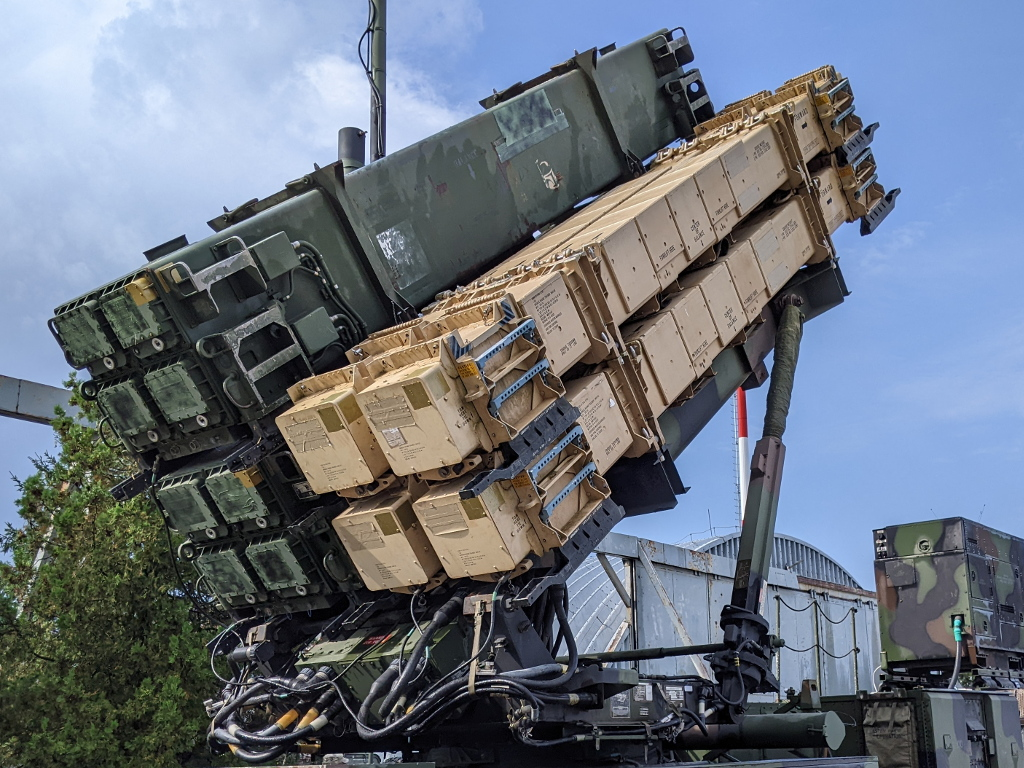
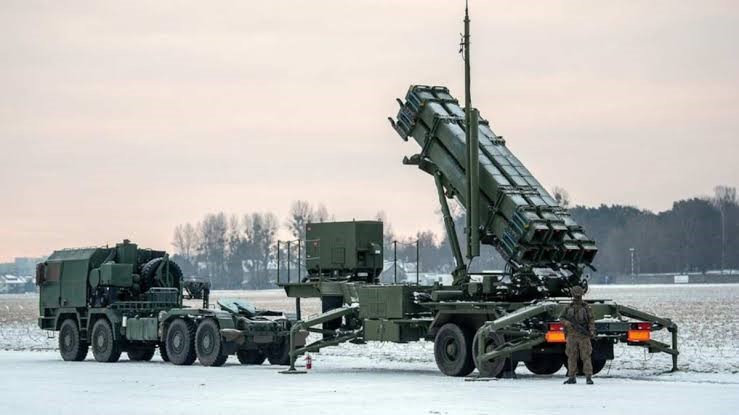
The immediate concern is inventory depth. Estimates cited by The Washington Post placed the U.S. Patriot interceptor inventory at roughly 2,330 before the 2026 Iran war, about 1,030 by the April ceasefire and between 759 and 827 after renewed fighting. Those figures remain contested and are not official stockpile counts. Other reporting has also identified pressure on Terminal High Altitude Area Defense interceptors and the Army’s older Tactical Missile System and newer Precision Strike Missile inventories.
A planning deadline cannot create factory throughput
A 21-day response period can force contractors to identify options, costs and schedule barriers. It cannot immediately produce more rocket motors, qualified suppliers, specialized tooling, trained workers or final-assembly stations. Missile output depends on multiple production chains advancing together; expanding a prime contractor’s assembly operation offers limited benefit if propulsion, structural hardware, seekers or other critical components remain constrained.
Solid rocket motors are one documented pressure point. Northrop Grumman says investments begun in 2021 have doubled tactical-motor capacity at its Allegany Ballistics Laboratory, with plans to triple that capacity by 2027. The company has also been positioned as a second propulsion source for an advanced Patriot interceptor. Adding another qualified supplier can improve resilience and competition, but qualification and capital expansion still take time.
The scale of the desired ramp illustrates the mismatch. Reporting cited production of about 600 Patriot missiles this year and a goal of 2,000 annually by 2030. Even if those targets are achieved, production accumulated over several years cannot instantly replace weapons consumed over a much shorter period. Allied orders add another demand stream competing for the same industrial capacity.
Long contracts provide certainty, not immediate missiles
The Pentagon has been trying to give suppliers a longer demand signal so they can justify investments that would be difficult to support through short, uneven orders. Framework agreements announced in August involved companies including BAE Systems, Lockheed Martin, Honeywell and Northrop Grumman. Officials also discussed potentially using the Defense Production Act, but no completed invocation was reported.
A subsequent official announcement on August 31 described seven-year arrangements with General Dynamics Ordnance and Tactical Systems and Lockheed Martin intended to triple production capacity for advanced Patriot interceptors and quadruple it for Terminal High Altitude Area Defense interceptors. The plan covers specialized subcomponents and supports investments in facilities, workforce and bulk materials.
Those agreements are an industrial mechanism, not proof that output has already tripled or quadrupled. Funding remains subject to annual appropriations, and factories must still install equipment, expand their workforces and synchronize lower-tier suppliers. That distinction matters because “production capacity” is a potential rate once the required system is in place; it is not the number of completed interceptors available today.
The tradeoff extends beyond the Pentagon. U.S. forces and allied Patriot users draw from an industrial base that must serve domestic readiness, overseas commitments and existing foreign orders. If production remains below combined demand, additional weapons for one customer may mean longer waits or less inventory depth elsewhere. Congress, meanwhile, must decide how much long-term funding certainty to provide suppliers before the proposed fiscal 2028 ramp can become sustained procurement.
The Pentagon’s deadline can expose bottlenecks and turn them into budget requests. The harder milestone comes afterward: converting proposed schedules and seven-year frameworks into qualified suppliers, operating production lines and completed interceptors before demand again outruns replacement.
| More aerospace and engineering stories, right in your MSN feed. Follow AMI on MSN |
By David Whitaker — Associate editor for AMI’s aerospace and drone systems desk, translating flight systems, aircraft programs, spaceflight, and UAV developments into accessible technical stories.