Patriot Use Reportedly Outpaces U.S. Production, Leaving Fewer Than 850 Interceptors
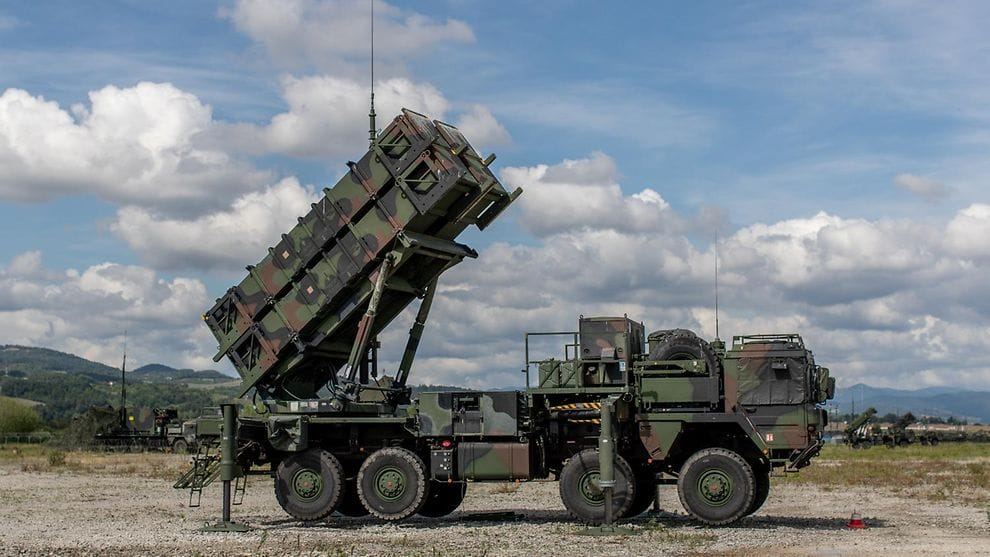
Fewer than 850 Patriot interceptors reportedly remain in the worldwide U.S. inventory, down from approximately 2,330 before the continuing campaign involving Iran. Reuters, citing a Center for Strategic and International Studies analysis, estimated that about 65% of the inventory was expended between February and July. That decline is especially consequential because current U.S. production stands at no less than 600 PAC-3 Missile Segment Enhancement interceptors per year.
Those are outside estimates rather than a complete official inventory disclosure. Another account placed Patriot expenditure at nearly 1,500 interceptors, while The Washington Post reported that more than 1,000 Patriot and THAAD interceptors were fired during the war’s first four weeks. The figures use different time periods and weapon groupings, so they cannot be combined into a single definitive count. They nevertheless describe the same industrial problem: reported consumption has run well ahead of the rate at which factories can deliver replacements.
A yearly production figure does not mean quick replenishment
At an annual output of 600, replacing a reduction of roughly 1,480 Patriot interceptors would represent nearly two and a half years of production if every new missile went toward restoring that inventory. Actual allocation is more complicated because new production must also support planned purchases, training requirements and deliveries to allied customers.
The manufacturing lead time adds another constraint. A PAC-3 MSE interceptor can cost as much as $4 million and take up to two years to produce, according to Reuters reporting. Production involves more than final assembly: propulsion, guidance hardware, structures, thermal-protection components and other specialized parts must arrive in sequence and meet demanding qualification requirements.
Solid rocket motors remain a particularly important industrial bottleneck. The Pentagon has been working to add suppliers and expand component capacity, including a seven-year framework under which Northrop Grumman would become a second PAC-3 motor source. As the broader production push shows, specialized suppliers and the federal budget process can limit how quickly announced capacity becomes sustained factory output.
The planned expansion arrives over several years
Lockheed Martin has reportedly agreed with the U.S. government to raise PAC-3 production capacity to 2,000 interceptors annually by the end of 2030. That would be more than triple the currently reported rate, but capacity planned for 2030 cannot replace missiles needed in 2026. New tooling, qualified workers, test equipment and dependable component flow all have to scale together before a higher production target becomes delivered hardware.
The Pentagon is also expanding production below the prime-contractor level. Northrop’s PAC-3 and THAAD framework agreements are valued at a combined $3 billion, while other arrangements are intended to increase output from existing motor supplier L3Harris. For THAAD, the stated objective is to raise annual production capacity from 96 interceptors to 400. PBS News estimated that contractors would still need at least three years to replenish the Patriot, THAAD and Tomahawk weapons used in the conflict.
The strain is not limited to defensive interceptors. The Washington Post reported that U.S. forces fired more than 850 Tomahawk cruise missiles in the first four weeks, while Reuters reported that the Army had used “virtually all” of its Army Tactical Missile Systems and Precision Strike Missiles. Those claims also remain attributed estimates rather than comprehensive Pentagon totals.
Other regions absorb the allocation pressure
Slow replacement becomes a readiness issue when the same production base must cover U.S. inventories and overseas commitments. Associated Press reporting said weapons deployed in Asia and Europe had been diverted, while The Washington Post reported repeated delays to Patriot deliveries for Japan, Taiwan and Ukraine. Japan’s order for 400 Tomahawks could reportedly slip by as much as two years, and Taiwan expects significant delays in PAC-3 deliveries.
Increasing production can narrow that mismatch, but it cannot erase the lead time already embedded in the supply chain. Until the planned factory expansion is operating at scale, every interceptor assigned to replenish U.S. stocks or meet one allied order is capacity unavailable for another commitment. The decisive milestone is therefore not the 2,000-per-year target on paper, but when qualified suppliers and final assembly lines can repeatedly deliver at that rate.
| More aerospace and engineering stories, right in your MSN feed. Follow AMI on MSN |
By David Whitaker — Associate editor for AMI’s aerospace and drone systems desk, translating flight systems, aircraft programs, spaceflight, and UAV developments into accessible technical stories.