Ukraine Says Russia’s Jet-Powered Shahed Use Quintupled, Straining Low-Cost Defenses
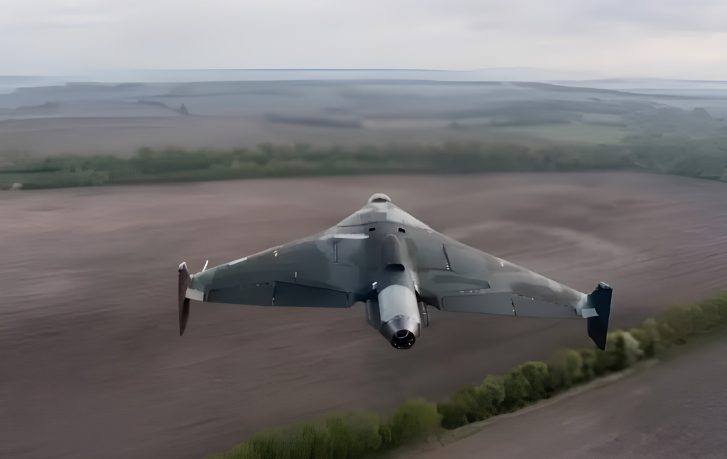
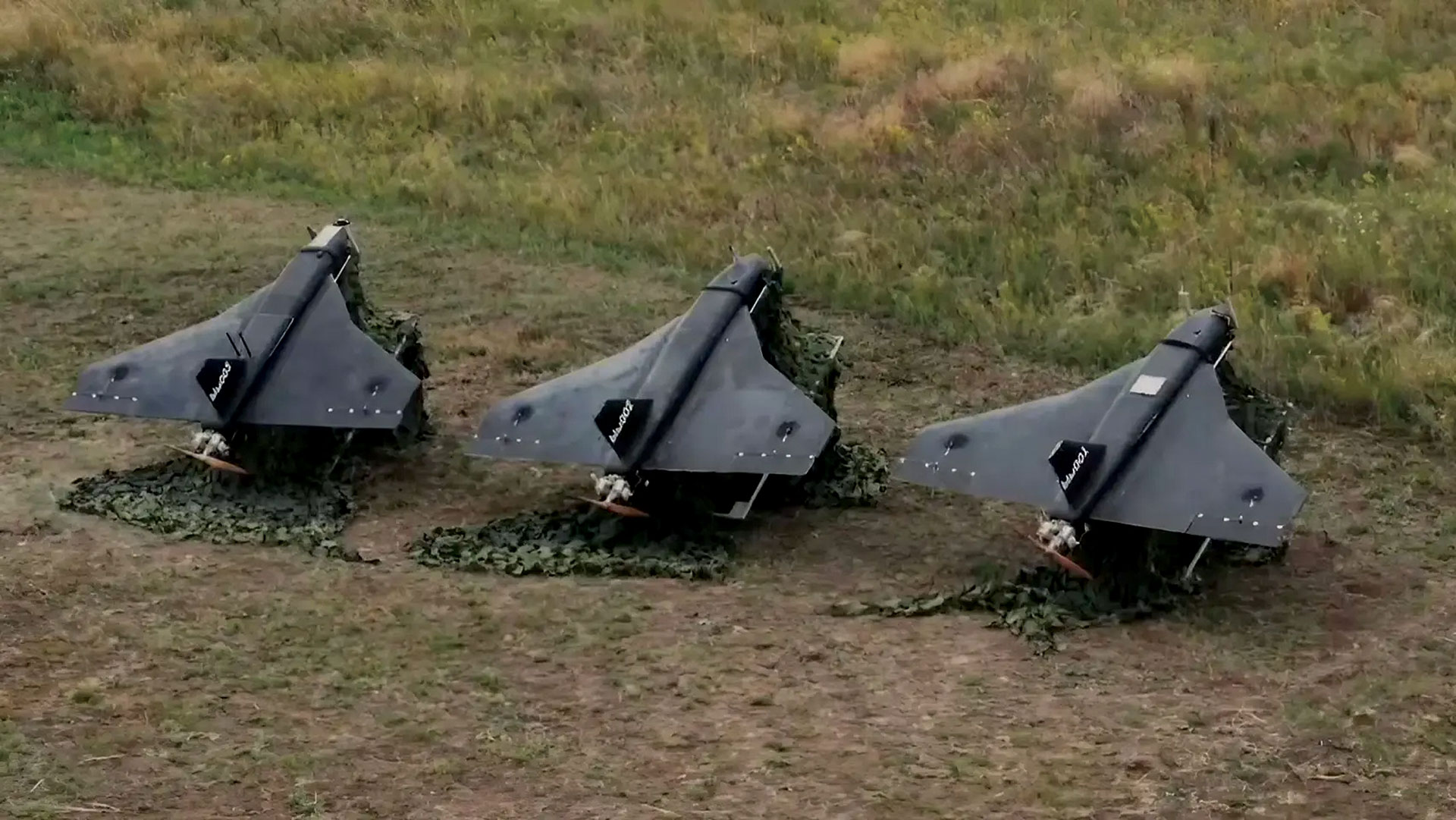
A propeller-driven Geran-2 reportedly travels around 115 mph. Russia’s newer turbojet-powered Geran-3 and Geran-4 variants typically reach at least 200 mph and can operate at reported altitudes of up to 30,000 feet. That performance difference is now becoming a readiness problem at scale: Ukraine’s air force says Russian use of jet-powered Shahed-derived drones increased fivefold from June to July.
Air force spokesperson Yuriy Ignat disclosed the monthly increase on Aug. 31 and said August statistics would likely show further growth. The fivefold figure describes reported use, not confirmed production. Ukrainian officials and specialists have attributed the increase to expanding Russian output, but no production records were provided to substantiate a fivefold manufacturing surge.
Speed changes the interceptor equation
Ukraine developed a comparatively inexpensive defensive layer around interceptors suited to the slower, propeller-driven Geran-2. By early 2026, the country reported destroying roughly 90% of Russian drones after deploying low-cost quadcopters alongside other defenses. Those interceptors offered an important economic advantage: they could reserve more capable air-defense weapons for targets that cheaper systems could not handle.
Turbojet propulsion narrows that advantage. An interceptor must possess enough speed, altitude performance and control authority to reach a target with sufficient margin for detection delays and maneuvering. A platform designed around a roughly 115-mph target may not retain that margin against one traveling at 200 mph or more. Higher operating altitudes can impose another demand by requiring platforms with greater climb and sustained-flight performance.
The result is not that every existing defensive system becomes useless. It is that the lowest-cost layer has a smaller operating envelope against the faster variants. Ignat said the newer weapons require ground- and air-based air-defense assets, including aircraft. Committing those assets more frequently can increase defensive cost and place additional demands on aircraft availability, crews, maintenance and the wider air-defense network.
This is the central engineering trade: Russia purchases greater speed and altitude by moving from piston propulsion to turbojets, while Ukraine must purchase the performance needed to catch that faster target. More capable interceptors generally bring harder requirements for propulsion, guidance, control, production consistency and testing. The challenge is therefore not simply demonstrating one successful design, but manufacturing enough reliable systems to sustain a defensive layer.
Four interceptor candidates face a scaling test
Ukraine is already working on that transition. President Volodymyr Zelenskyy said four companies had developed potential interceptors for jet-powered Shaheds. Defense officials have said four candidates underwent field tests, with the next objective being refinement and production at much larger scale. One jet-powered interceptor design capable of exceeding 600 kilometers per hour was also reported to be undergoing combat testing, with confirmed results still awaited.
The distinction between testing and operational capacity matters. A prototype can demonstrate speed under selected conditions, but a dependable air-defense fleet also requires repeatable manufacturing, robust control systems, operator training, maintenance support and enough units in the right places. Ukraine’s task is to preserve the favorable economics of drone-on-drone interception while adding the performance demanded by turbojet targets.
Ukrainian accounts suggest the pressure is continuing, although their totals have not been independently verified. Zelenskyy said approximately 800 of nearly 1,500 long-range drones launched over four days were jet-powered. Drone specialist Serhii Beskrestnov separately claimed more than 2,500 jet-powered launches in August, compared with 1,500 in July. Those figures should be treated as attributed wartime estimates rather than settled counts.
The shift also illustrates why counter-drone readiness is an industrial problem as much as a sensor or interceptor problem. A defensive design has to be affordable enough to procure in volume, reliable enough for repeated operations and adaptable enough to survive another change in the incoming platform. Ukraine now has four reported interceptor candidates, but their decisive milestone is no longer basic pursuit speed. It is whether any can move from field testing into dependable, high-volume service without surrendering the low-cost advantage that made the earlier defensive layer sustainable.
| More aerospace and engineering stories, right in your MSN feed. Follow AMI on MSN |
By Stephen Wallace — Editor for AMI’s aerospace integration and unmanned mobility coverage, focused on drone manufacturing, VTOL systems, autonomous networks, and air-ground mobility links.