Ford Recalls 10,001 Vehicles as Defective Pistons May Cut Drive Power
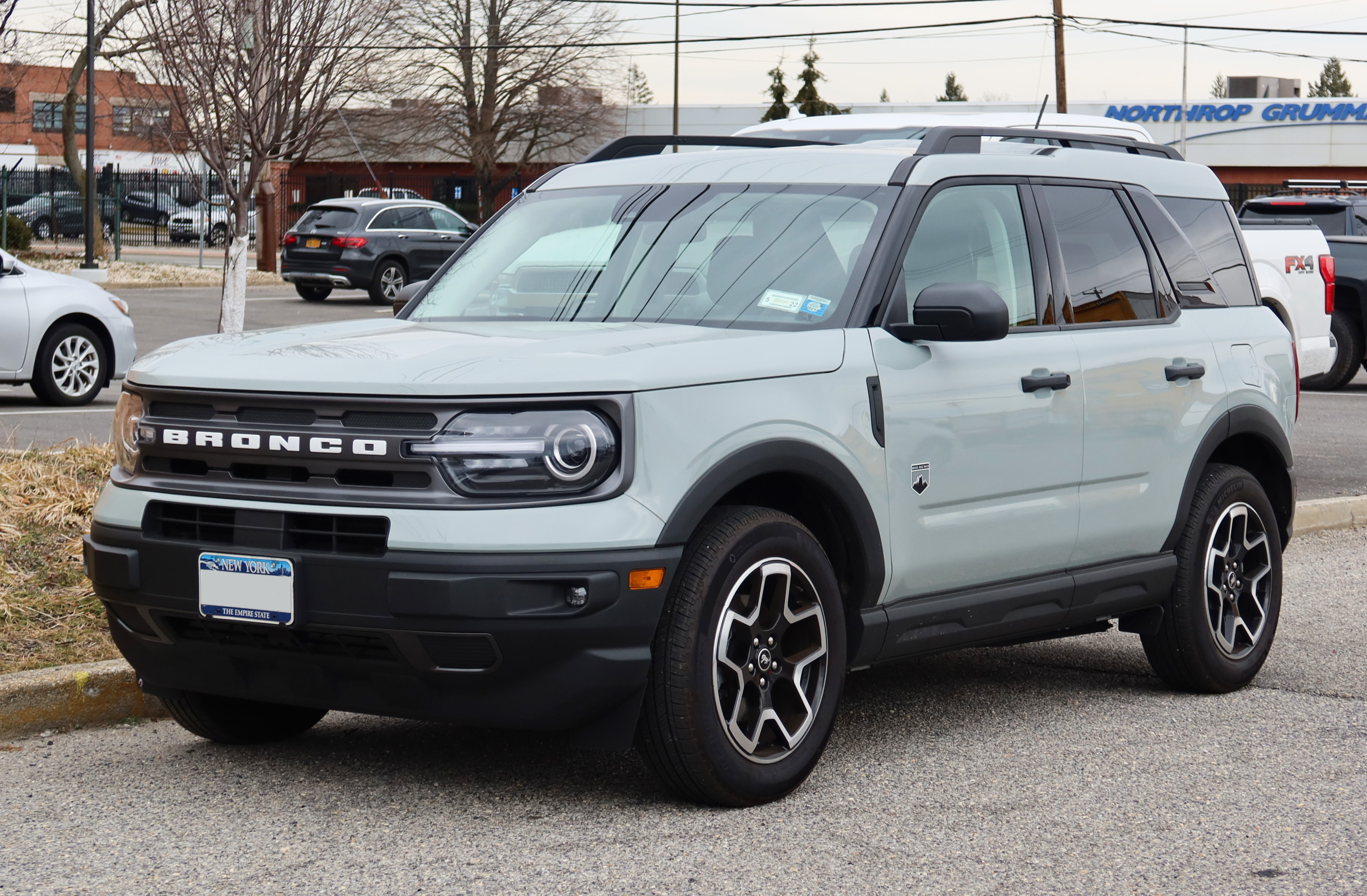
Ford has recalled 10,001 model-year 2026 vehicles because incorrectly manufactured piston domes may fail and cause an unexpected loss of drive power. The campaign covers certain Bronco, Bronco Sport, Explorer, Mustang, and Ranger vehicles, but the permanent repair is not expected to become available until December 2026.

The National Highway Traffic Safety Administration’s recall report identifies the safety issue directly: a piston dome failure can interrupt propulsion and increase the risk of a crash. Ford was not aware of any crashes or injuries associated with the condition as of the reporting date.
The recall divides the affected vehicles between two turbocharged EcoBoost engine variants. Certain Bronco Sport crossovers have the 1.5-liter three-cylinder engine. The affected Bronco, Explorer, Mustang, and Ranger vehicles have the 2.3-liter four-cylinder engine. The campaign is limited to identified vehicles rather than every 2026 example of those five nameplates.
Warning signs may appear before power loss
Possible indications include unusual engine noise, an engine misfire, and an illuminated Check Engine Light. Loss of drive power is also listed as a possible symptom. These warnings do not establish that a particular vehicle has the recalled defect, but owners experiencing them should contact a Ford dealer for guidance.
Ford’s data provide some scale for the issue without establishing how frequently it will occur across the entire recall population. As of August 12, 2026, the company knew of 38 potentially related engine failures at its plants and another 13 in the field. Those figures cover potentially related failures, not 51 confirmed crashes or injuries.
A piston crown, or dome, forms the upper surface of the piston exposed to combustion pressure and heat. Failure in that structure can prevent the engine from continuing to produce usable power. The available recall information describes the piston domes as incorrectly manufactured, but it does not specify the exact manufacturing error or explain the dealer inspection method. A more precise production root cause therefore remains unconfirmed here.
Inspection determines whether the engine long block is replaced
Ford’s planned remedy begins with an inspection of the engine pistons. If the engine does not pass that inspection, the dealer will replace its long block at no charge. A long block is a major engine assembly rather than a small external component; it generally encompasses the engine block and core internal hardware. That remedy reflects the location of the suspected defect inside the combustion assembly, although Ford has not said that every recalled vehicle will need an engine replacement.
The campaign’s timing creates an unusual gap between owner warning and permanent repair. Ford planned to send interim safety notices by September 4, 2026. A second notice is scheduled after the remedy becomes available, which is expected in December. That means some owners may know their vehicles are included months before dealers can perform the final inspection and any required long-block replacement.
Affected vehicle identification numbers became searchable through NHTSA on August 28. Ford identifies the campaign as recall 26S61, and its owner-support recall page lists the campaign and dealer contact as the next step. Owners can also contact Ford customer care at 1-866-436-7332.
Until the second notice is issued, the central constraint remains remedy availability: Ford has identified a manufacturing-related piston risk capable of cutting drive power, but the inspection and possible long-block replacement are not expected to be available until December 2026.
| More aerospace and engineering stories, right in your MSN feed. Follow AMI on MSN |
By Thomas Caldwell — AMI’s senior editor for mechanical and mobility engineering, covering vehicle electronics, systems integration, electrification, chassis systems, propulsion, and safety policy.