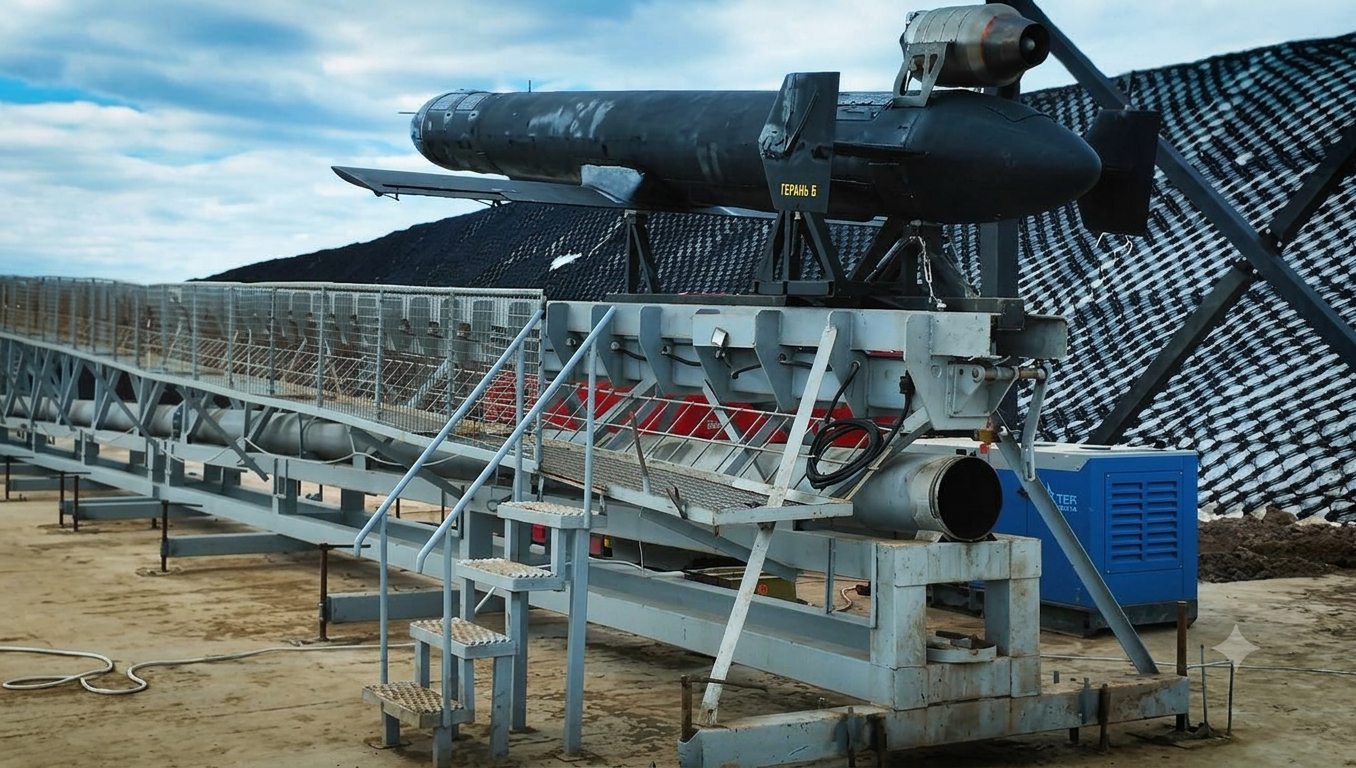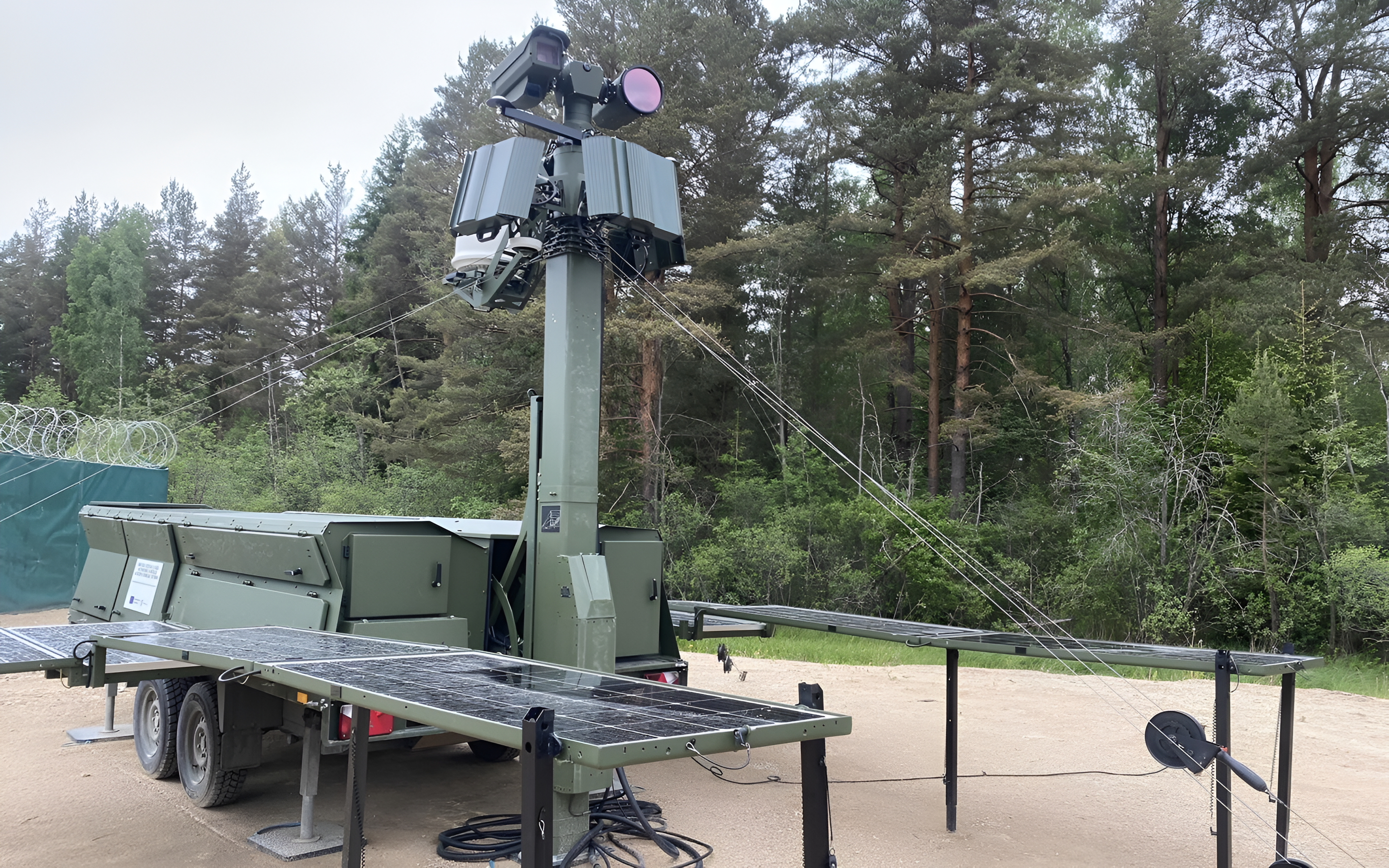
Ukrainian Drone Alerts Halt Russian Airport Flights Without Direct Strikes
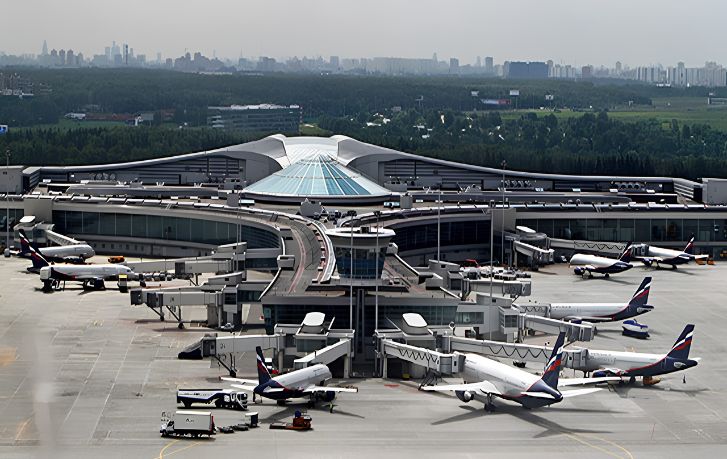
A drone does not have to approach an airport for commercial flights there to stop. Under Russia’s Kovyor air-defense procedure, a detection in the relevant area can trigger a temporary suspension of arrivals and departures. That precautionary mechanism has repeatedly disrupted major airports, including all four principal Moscow airports, even when the airports themselves were not identified as targets.
The operational effect is a moving interruption rather than a nationwide legal closure. Aircraft may be held at their departure points, delayed in the air-traffic system, canceled or rerouted while authorities assess an alert. Once restrictions lift, airlines and airports must then work through displaced aircraft, crews and passengers. Recurring alerts can therefore produce disruption beyond the duration of each individual suspension.
On September 1, Ukrainian President Volodymyr Zelensky warned airlines and insurers that expanding Ukrainian drone operations were making Russian airspace more dangerous. He maintained that Ukraine does not threaten civilian aircraft, but said drones would appear over Russia on a scale operators must consider. Foreign Minister Andrii Sybiha subsequently said Ukraine had formally notified the International Civil Aviation Organization because it wanted to prevent unintended incidents.
That notification did not itself close Russian airspace or impose a binding international restriction. FlightRadar24 showed many aircraft continuing to operate over Russia on Wednesday, including services using two major Moscow airports. Those airports had some delays but few cancellations at the time observed. The distinction matters: a warning can change risk calculations without creating a blanket legal prohibition.
Why airlines continue flying
Chinese, Turkish and Gulf carriers remain among the operators using Russian airspace. For some services between Asia and Europe, that routing can reduce flight time and fuel consumption compared with a diversion around the country. Most Western commercial airlines have avoided Russian airspace during Russia’s full-scale invasion of Ukraine, while Ukraine has kept its own airspace closed to civilian traffic.
Each airline still operating must balance the efficiency of the shorter route against the possibility of sudden restrictions. Qatar Airways said its planning uses continuous monitoring of airspace security, safety assessments and geopolitical developments. FlyDubai said it would adjust schedules and routings when necessary. Pegasus canceled its Tuesday and Wednesday Russia flights for what it called technical and operational reasons, while saying subsequent services remained scheduled; the carrier did not publicly connect those cancellations to Zelensky’s warning.
A European advisory already adds another boundary to that decision. As detailed in an account of the current restrictions and guidance, the European Union Aviation Safety Agency recommends that covered operators avoid Russian airspace west of longitude 60 degrees east at every altitude. The bulletin was extended through January 31, 2027. It is a recommendation, not a universal ban on non-European airlines flying between their home countries and Russia.
Detection creates a network problem
Kovyor illustrates why drone activity can have effects far beyond any intended destination. Air-defense authorities must respond to a detected object before its path and risk are fully resolved, while civil aviation depends on predictable airspace availability. Suspending flights separates passenger aircraft from that uncertainty, but it also transfers the cost into delays, cancellations and route changes.
Repeated activations increase planning pressure because an airline cannot treat the issue solely as a fixed no-fly zone. A route may remain legally available while an airport or surrounding sector becomes temporarily unavailable with limited predictability. Dispatch teams must consider fuel requirements and alternate routing, while schedule planners must account for aircraft and crews arriving late. Insurers, meanwhile, must evaluate the changing exposure, although there is no confirmed information that Ukraine’s September notification has caused insurers to reprice coverage.
The interaction with air defense is the central safety concern, but forecasts require careful attribution. Aviation-risk firm Osprey Flight Solutions assessed that most Ukrainian drone and missile operations were likely to occur within 300 kilometers of the border and that deeper activity was almost certain to continue during the year. It also warned clients that miscalculation or misidentification was likely in conflict-related areas. Those are the firm’s risk assessments, not official investigative findings or proof that a particular civilian flight was endangered.
Public claims about the expanding scale of drone operations likewise do not establish a verified count across Russian airspace. What is already observable at the civil-aviation level is the response: detections can activate precautionary airport shutdowns, and those shutdowns can affect major passenger hubs without a direct airport strike. Airlines therefore retain the time-and-fuel advantage of Russian routes only while accepting that access may be interrupted whenever the air-defense warning system takes priority.
| More aerospace and engineering stories, right in your MSN feed. Follow AMI on MSN |
By Stephen Wallace — Editor for AMI’s aerospace integration and unmanned mobility coverage, focused on drone manufacturing, VTOL systems, autonomous networks, and air-ground mobility links.