Ukrainian Drone Strike Halts Russia’s Fourth-Largest Refinery in Kstovo, With Restart Unknown
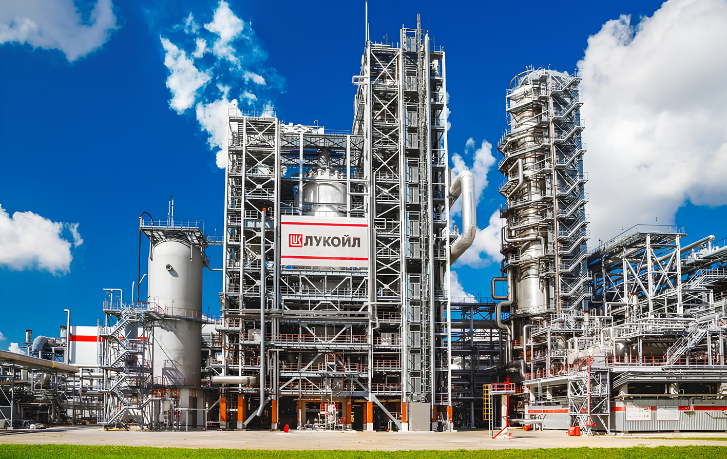
A Ukrainian drone strike has stopped crude processing at LUKOIL-Nizhegorodnefteorgsintez in Kstovo, Russia’s fourth-largest refinery by capacity. Three industry sources told Reuters that the August 26 strike damaged processing units, equipment connecting those units and other facilities. They could not say when the refinery would restart.
That missing date is central to assessing the consequences. Kstovo has maximum capacity to process approximately 17 million tonnes of crude annually and is identified as Russia’s second-largest gasoline producer. Before the strikes, it could produce around 5 million tonnes of gasoline and more than 5 million tonnes of diesel per year, along with 2 million tonnes of fuel oil and roughly 500,000 tonnes of bitumen.
Why damage across a refinery can stop the whole process
A refinery is not one machine with a single production switch. It is a linked industrial system that moves material through successive processing, treatment, blending and handling stages. Damage spanning both processing units and connecting equipment can therefore interrupt the sequence needed to convert crude into finished products, even if portions of the plant remain physically intact.
The reported shutdown does not establish that all 17 million tonnes of annual capacity will be lost for a year. Nameplate capacity describes the plant’s maximum annual processing scale, not its throughput on August 26. Actual lost output will depend on its operating rate before the strike, which equipment is unavailable, whether unaffected sections can operate independently and how long inspections and repairs take.
Restarting also involves more than replacing visibly damaged hardware. Equipment exposed to fire or extreme heat may require integrity checks, while instrumentation must provide trustworthy pressure, temperature, flow and composition readings. A technical overview of unplanned refinery shutdowns and restarts describes inspections of piping, vessels, heat exchangers and other pressure-critical systems, followed by a sequenced return of processing units.
Those requirements help explain why the absence of a repair estimate matters. The outage length cannot be inferred from the visible scale of an incident alone. Operators first need to determine the condition of interconnected equipment, controls and process instrumentation before deciding which sections can safely return to service.
Large capacity does not automatically mean a fuel shortage
Kstovo’s annual product figures show the industrial capacity at risk, but they do not measure fuel currently missing from the market. A reliable shortage estimate would require current refinery utilization, inventories, product imports, regional demand, transportation capacity and output from other plants. None of those operating figures is available for this shutdown.
There are signs of broader pressure on Russia’s refining system, but they still do not quantify Kstovo’s individual effect. Vortexa reported that Russia was receiving gasoline imports in August and that seaborne diesel and gasoil exports during the first 25 days of the month were substantially below the previous year. Its analysis of imports and export restrictions also noted that domestic demand and export policy affect how much diesel can be sent abroad.
That distinction is important: lower refinery production can be absorbed in several ways, including inventories, imports, reduced exports or changes at other refineries. Motorists and industrial users may experience tighter supply only if those buffers cannot cover the lost output where and when it is needed.
Repeated outages increase readiness pressure
Kstovo had previously suspended operations after attacks damaged processing equipment, including one on July 2. Repeated shutdowns can increase the workload for inspection, repair and restart teams, but the available information does not establish cumulative damage, the condition of earlier repairs or a trend in equipment reliability at this specific plant.
At the national level, Rystad Energy forecasts Russian refinery throughput of around 4 million barrels per day from July through December 2026, nearly 30% below the 2016-2023 seasonal average of about 5.7 million barrels per day. Its assessment of refining and crude-production constraints says crude that cannot be processed must instead be exported, stored or removed from production.
For Kstovo, the confirmed result remains narrower but substantial: crude processing has stopped at a refinery capable of making more than 50 petroleum products. Whether that becomes a brief capacity interruption or a prolonged fuel-supply constraint now depends on the fact investigators and operators have not supplied the scope and duration of the repair and restart process.
| More aerospace and engineering stories, right in your MSN feed. Follow AMI on MSN |
By Stephen Wallace — Editor for AMI’s aerospace integration and unmanned mobility coverage, focused on drone manufacturing, VTOL systems, autonomous networks, and air-ground mobility links.