Ukrainian Drone Strikes Push Russia to Import Gasoline and Refine Abroad
Russia’s strength as a major crude-oil producer is colliding with a different industrial reality: crude in the ground does not keep cars moving unless refineries can turn it into usable fuel. Repeated Ukrainian drone attacks have disrupted Russian processing enough to contribute to regional gasoline restrictions, a 200,000-barrel purchase from Turkey and an arrangement to refine Russian crude in Kazakhstan.
The Turkish cargo, destined for the Baltic port of Primorsk, was Russia’s fifth confirmed seaborne vehicle-fuel delivery of the summer, according to reporting on the expanding foreign supply effort. Previous shipments from an Indian refinery, routed through Egypt, totaled 1 million barrels. At least six Russian regions reinstated or tightened gasoline-sales restrictions during August.
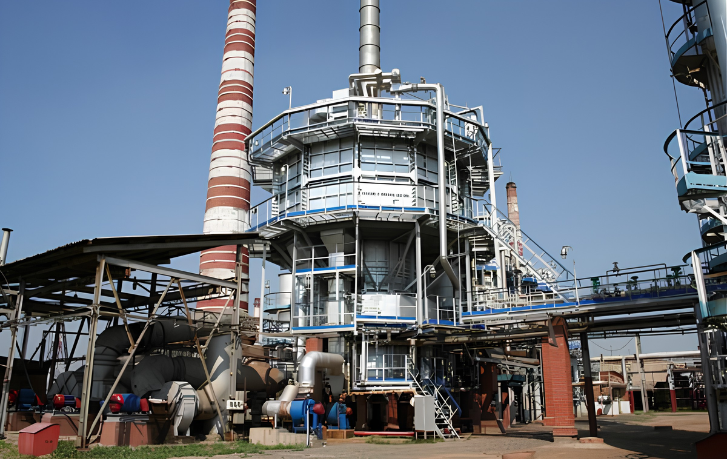
Those purchases illustrate the distinction between oil production and refining capacity. A country can continue extracting and exporting crude while struggling to supply gasoline domestically if enough conversion equipment is unavailable. Refineries are interconnected industrial systems, and outages can remove more than a simple barrel-for-barrel quantity of output because different units perform different stages of processing.
Industry analysts cited in the reporting estimated that refinery output had fallen 28% before the latest intensification. Ukraine carried out 18 attacks on Russian refineries during August, matching the previous month’s record, while the Orsk refinery was reported completely shut following a new wave of strikes. These damage and output assessments are attributed reports rather than a comprehensive, independently verified accounting of Russia’s entire refining network.
Foreign refining adds transport constraints
The Kazakhstan agreement shows why substitute capacity cannot be treated as an immediate replacement for domestic production. The Kondensat refinery in western Kazakhstan is expected to process Russian crude and return 70% of the resulting fuel to Russia, while 30% remains in Kazakhstan. Kazakh Energy Minister Yerlan Akkenzhenov confirmed the arrangement in an August 25 government briefing.
Kondensat is not connected to the Russian or Kazakh pipeline systems, so the refined products must move by rail. That inserts railway capacity, loading operations, border movement and scheduling into a supply chain that previously depended more heavily on domestic processing and distribution. Every added transfer also makes delivery timing less flexible than production from an operating refinery already connected to established national infrastructure.
The arrangement is limited in scale as well. Kondensat can produce up to 200,000 metric tons of gasoline annually, according to estimates cited by RFE/RL, equivalent to roughly 0.3% of Russia’s estimated daily summer gasoline demand when expressed as an average contribution. It can provide incremental relief, but the available figures do not support treating it as a replacement for broad domestic capacity losses.
Seaborne imports have similar boundaries. The confirmed summer deliveries total approximately 1.2 million barrels of vehicle fuel: 1 million barrels associated with the earlier Indian shipments and 200,000 barrels from Turkey. Tankers can move substantial cargoes, but they arrive in batches and still require port handling and onward distribution. They cannot instantly reproduce the continuous output of multiple functioning refineries spread across a large country.
Repeated attacks create a cumulative readiness problem
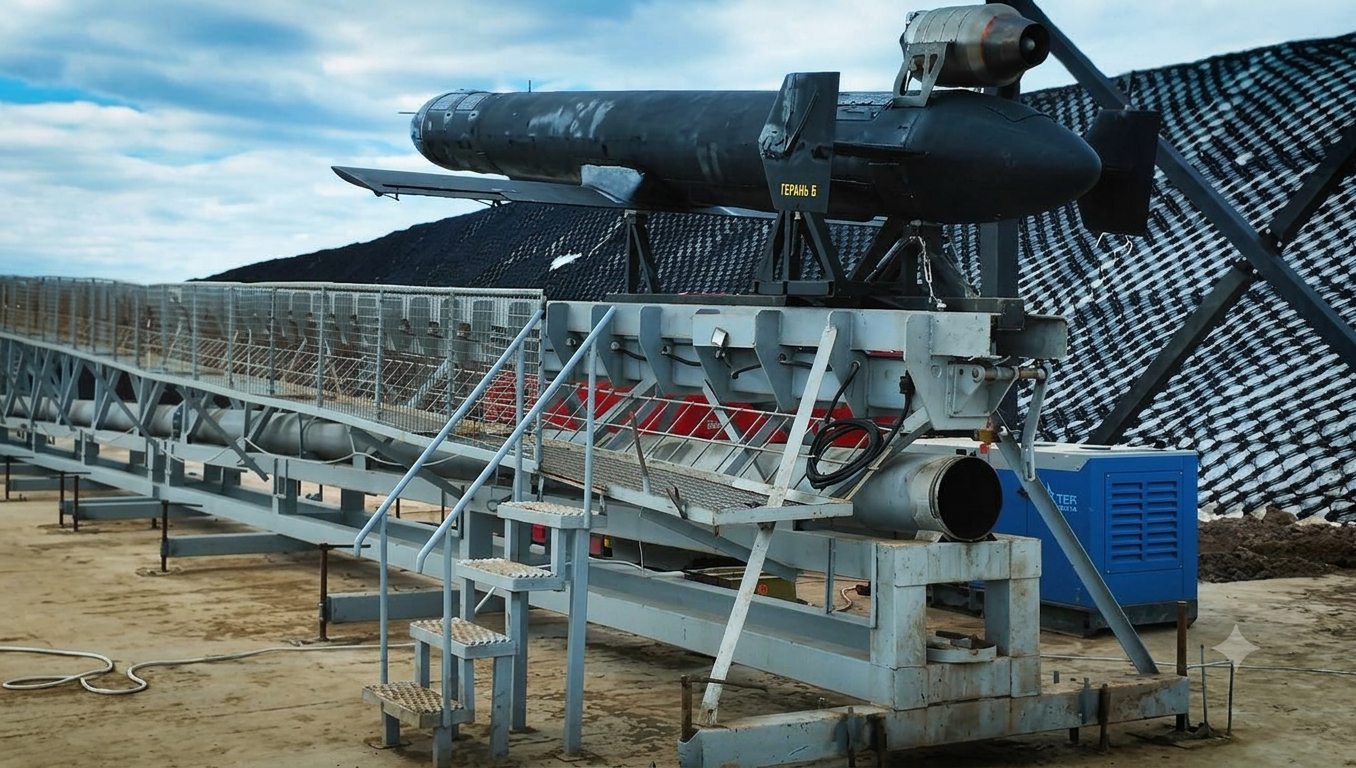
From an unmanned-systems perspective, the significant development is not any single attack method or refinery event. It is the cumulative industrial pressure created by repeated long-range drone operations against a distributed processing network. Defending many geographically separated facilities requires sustained air-defense readiness and protection of infrastructure beyond conventional military bases. The available reporting does not establish how Russia is allocating those defenses or how effective particular countermeasures have been.
Russia is also drawing on neighboring supply. Fuel imports from Belarus reportedly increased by a factor of 141 in June compared with the same month a year earlier. That striking percentage does not disclose the underlying volume, so it should be read as evidence of a sharp change in sourcing rather than proof that Belarus alone can close the shortfall.
Deputy Prime Minister Alexander Novak said the situation was changing daily and that federal officials were meeting regions and companies twice a week. Some refineries had returned to operation, he said, underscoring that capacity is not simply lost permanently after every reported disruption. Repair speed, recurring outages and the amount of usable processing capacity restored will determine whether the foreign arrangements remain emergency supplements or become a more persistent part of Russia’s fuel system.
For now, the most concrete engineering constraint is transportation: Russia is moving from crude processed near established domestic distribution networks toward gasoline delivered by tanker and crude or finished fuel moved by rail. Foreign capacity can soften a shortage, but it purchases resilience at the cost of more handoffs, longer routes and dependence on infrastructure outside Russia’s refinery system.
| More aerospace and engineering stories, right in your MSN feed. Follow AMI on MSN |
By Stephen Wallace — Editor for AMI’s aerospace integration and unmanned mobility coverage, focused on drone manufacturing, VTOL systems, autonomous networks, and air-ground mobility links.