U.S. Commits $93 Billion to Patriot and THAAD Missiles, but Rebuilding Takes Years
Interceptor shortages have reportedly moved beyond a budget concern and begun shaping U.S. military decisions. The New York Times and The Wall Street Journal reported that planned attacks on Iran were canceled partly because officials were concerned about retaining enough interceptors to defend deployed American troops.

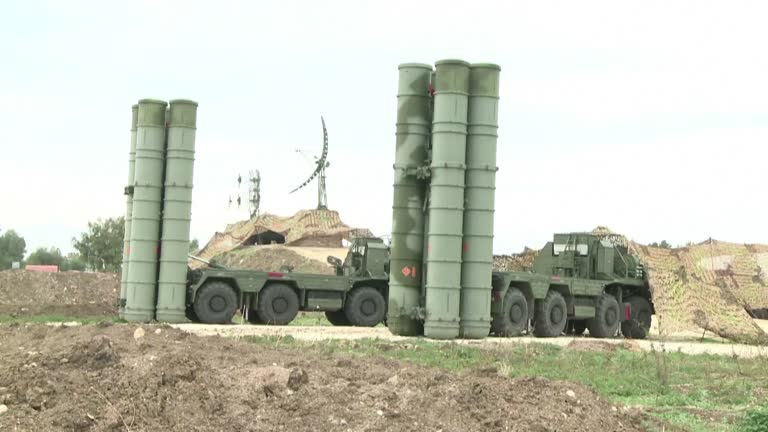
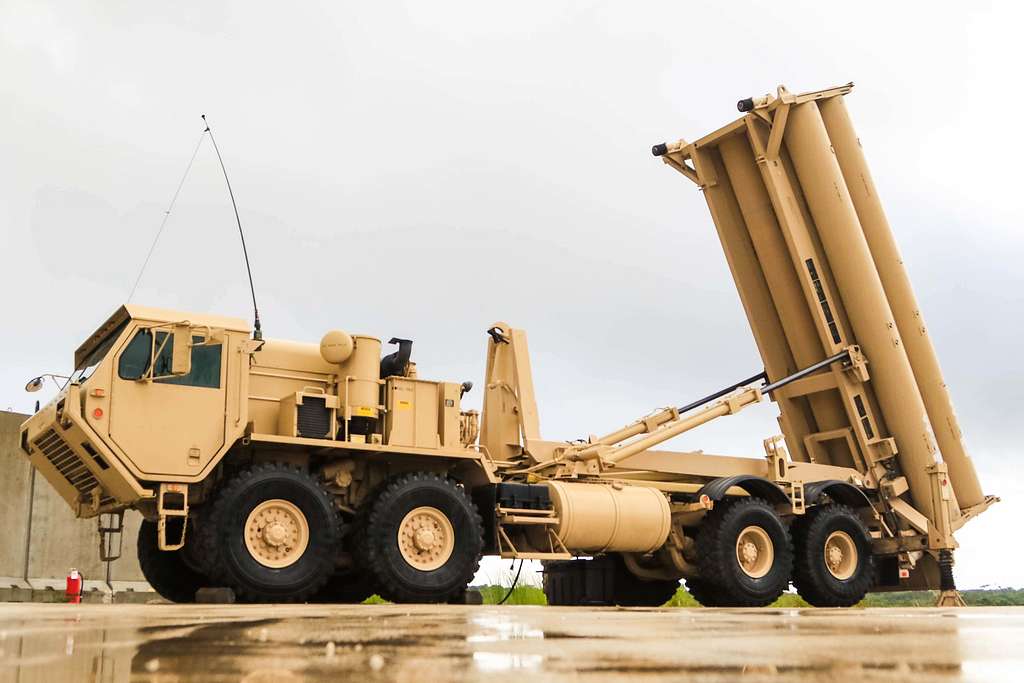
Against that immediate constraint, the United States has committed a reported $93 billion to seven-year Patriot and Terminal High Altitude Area Defense, or THAAD, production agreements. The money supports major capacity increases, but it cannot make finished missiles appear quickly. Exact inventories are classified, and the available figures are estimates rather than confirmed stockpile totals.
A Center for Strategic and International Studies analysis based on public budget documents and released information estimates that the U.S. Patriot inventory has fallen about 65% since the war with Iran began in February, leaving fewer than 850 interceptors. Estimates for THAAD depletion vary more widely, from roughly 50% to 80%.
Production capacity is not the same as available inventory
The reported seven-year, $58 billion Patriot agreement is intended to raise annual production from approximately 620 missiles to 2,000. A separate $35.3 billion THAAD contract announced June 24 covers production from March 2026 through June 2032. The associated industrial plan targets an increase from 96 THAAD interceptors per year to about 400.
Those are substantial output goals: more than triple the stated Patriot rate and more than quadruple THAAD capacity. They are nevertheless annual production targets reached through a multiyear ramp, not delivery totals already sitting in storage. Facilities must be expanded, workers prepared, equipment installed and suppliers brought up to compatible rates before final assembly can sustain the headline numbers.
That coordination requirement is particularly important for complex interceptors. Increasing output at the prime contractor does little if propulsion, seeker, avionics, structural or thermal-protection suppliers remain at their previous production rates. Lockheed Martin has broken ground on a new Munitions Acceleration Center in Camden, Arkansas, intended to support THAAD, Patriot and other programs with robotics, digital manufacturing and workforce development. Northrop Grumman is also expected to expand production of THAAD structural and thermal-protection components.
Long agreements address one persistent industrial problem: manufacturers need confidence that demand will continue long enough to justify factories, tooling, supplier commitments and hiring. They can reduce the risk of investing against a short production run. They cannot eliminate qualification work, component bottlenecks or the physical time needed to manufacture and test each interceptor.
The public cost buys depth later, not flexibility now
For taxpayers and deployed forces, that timing distinction defines the tradeoff. The $93 billion commitment is meant to build a deeper inventory and a larger replenishment base over seven years. During the ramp, however, every interceptor delivered may have to cover several competing demands: protection of U.S. personnel, support for partners and restoration of domestic reserves.
Patriot and THAAD also occupy different parts of a layered defense architecture. THAAD provides a high-altitude ballistic-missile defense layer, while Patriot generally operates lower. Less expensive or shorter-range systems may be appropriate against some threats, but they are not direct replacements for every mission performed by these interceptors. Army leaders have called for a broader mix that could eventually include lower-cost interceptors, guns, electronic warfare and directed-energy systems, although some alternatives remain years from widespread use.
Ukraine illustrates the allocation pressure. Patriot is described as the principal available weapon capable of reliably intercepting Russian ballistic missiles, while Russian ballistic-missile strikes there increased from 61 in April to 198 in July, according to the Institute for the Study of War. Sending scarce interceptors abroad can support an urgent defensive requirement, but it also competes with rebuilding U.S. reserves.
The Pentagon is broadening its response beyond land-based systems. On Aug. 14, it announced seven-year framework agreements with Boeing and RTX to increase production of critical components for ship-launched Standard Missile-3 interceptors. No dollar values or production quantities were released for those frameworks.
That wider effort may strengthen the industrial base, but the near-term readiness gap remains governed by finished deliveries rather than contract ceilings. Patriot output must rise from roughly 620 to 2,000 per year and THAAD from 96 to about 400 before the intended inventory recovery can accelerate. Until those production systems reach and sustain their new rates, tens of billions of dollars represent future capacity not missiles already available to protect deployed forces.
| More aerospace and engineering stories, right in your MSN feed. Follow AMI on MSN |
By David Whitaker — Associate editor for AMI’s aerospace and drone systems desk, translating flight systems, aircraft programs, spaceflight, and UAV developments into accessible technical stories.