Boeing Develops Fix as 737 MAX Can Lose Some Autopilot Functions
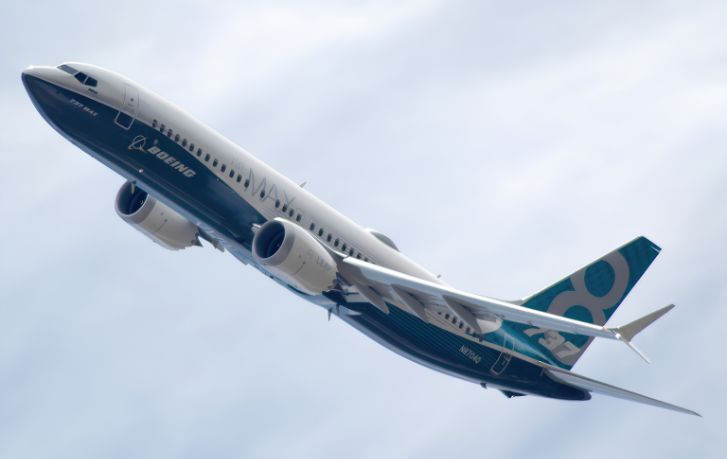
Boeing is developing a permanent fix for newer 737 MAX cockpit software that can make selected automated navigation and autopilot functions unavailable after a missed approach. The condition can leave pilots manually managing the aircraft at low altitude if they abort a landing and then revise the programmed flight path.

The central issue is not a loss of basic aircraft control. Pilots remain able and trained to fly without the affected automation. The concern is that flight crews could lose access to selected flight-guidance functions during a phase already associated with high workload, potentially complicated by weather, traffic instructions or preparations for another approach.
What triggers the software condition
The reported sequence begins with a missed approach, the procedure used when a landing cannot be completed. If pilots subsequently alter the preprogrammed route, an error in the flight-management software can cause the guidance system to shift away from automated vertical navigation. Crews may then have to use simpler pitch-control modes or fly manually.
Boeing informed 737 operators about the condition in late August. “We shared information with operators that reinforced existing pilot procedures for safely handling such cases,” the company said. “Our engineers are working on a software update to permanently address the issue.”
Boeing has said it does not consider the condition a safety risk and is also working with airlines to formalize a procedure for restoring automated vertical navigation if it occurs. Operators may return affected aircraft to an earlier software version while the permanent correction is developed.
The Federal Aviation Administration is assessing the problem and has said it will take immediate action if it identifies a safety concern. The agency plans to review Boeing’s proposed fix, making the software correction, its validation and any related operating instructions part of the regulatory process rather than solely a manufacturer decision.
Airlines are choosing the earlier version
Southwest Airlines and United Airlines reportedly asked Boeing to deliver new MAX aircraft with the previous software rather than the affected update. Alaska Airlines, American Airlines, Southwest and United said none of their MAX aircraft currently use the newer version associated with the condition.
Those responses reduce immediate exposure at major U.S. operators, but they do not establish the size of the worldwide installed population. Boeing does not know exactly how many aircraft received the newer software because airlines are not required to report every installation to the manufacturer.
That information gap is consequential for oversight. Cirium counted 2,422 MAX 8 and MAX 9 aircraft operating worldwide, but that total must not be confused with the number carrying the affected software. Without an authoritative installation count, regulators, Boeing and operators must first determine where the software is in service before they can precisely define the scope of any corrective action.
The timing also intersects with work on other MAX variants. The FAA certified the smaller MAX 7 in early August with the newest software installed, while approval of the larger MAX 10 has been approaching. It remains unclear whether the software issue will affect deliveries or certification milestones, or whether those aircraft can use an earlier version.
Why missed-approach automation matters
A missed approach is a normal, trained maneuver rather than evidence of an emergency. It nevertheless compresses several crew tasks into a short period: establishing a safe climb, following the required route, communicating with air traffic control, configuring the aircraft and deciding what happens next. Automation can reduce that workload by holding programmed vertical and lateral guidance, but crews must remain prepared to continue safely if a function becomes unavailable.
This condition is separate from the Maneuvering Characteristics Augmentation System failures associated with the 2018 and 2019 MAX crashes, which killed 346 people. The FAA cleared the MAX to return to U.S. service in November 2020 after mandating software, training, procedure and other changes. The distinction matters because the newly disclosed problem involves the availability of selected flight-guidance functions after a particular route change, not the earlier system’s behavior.
The next decisive facts will be the number of aircraft running the newer software, the FAA’s safety determination and the requirements attached to Boeing’s permanent update. Until those points are resolved, airlines have a practical fallback in the earlier version but no complete public accounting yet exists of where the affected software is installed.
| More aerospace and engineering stories, right in your MSN feed. Follow AMI on MSN |
By Thomas Caldwell — AMI’s senior editor for mechanical and mobility engineering, covering vehicle electronics, systems integration, electrification, chassis systems, propulsion, and safety policy.