SpaceX Starship Deploys 26 Satellites but Cuts Six-Orbit Flight Short
SpaceX’s Starship reached orbit and released 26 operational Starlink satellites on September 28, but the milestone came with a sharp reduction in the flight’s planned scope. After an upper-stage engine shut down earlier than intended, controllers abandoned a nearly 10-hour, six-orbit profile and prepared to return the spacecraft after approximately three hours.

The mission therefore demonstrated orbital insertion and payload deployment without completing the full endurance profile SpaceX had laid out. At the point covered here, the spacecraft’s reentry and targeted northern Pacific splashdown were still pending, leaving the return outcome unresolved.
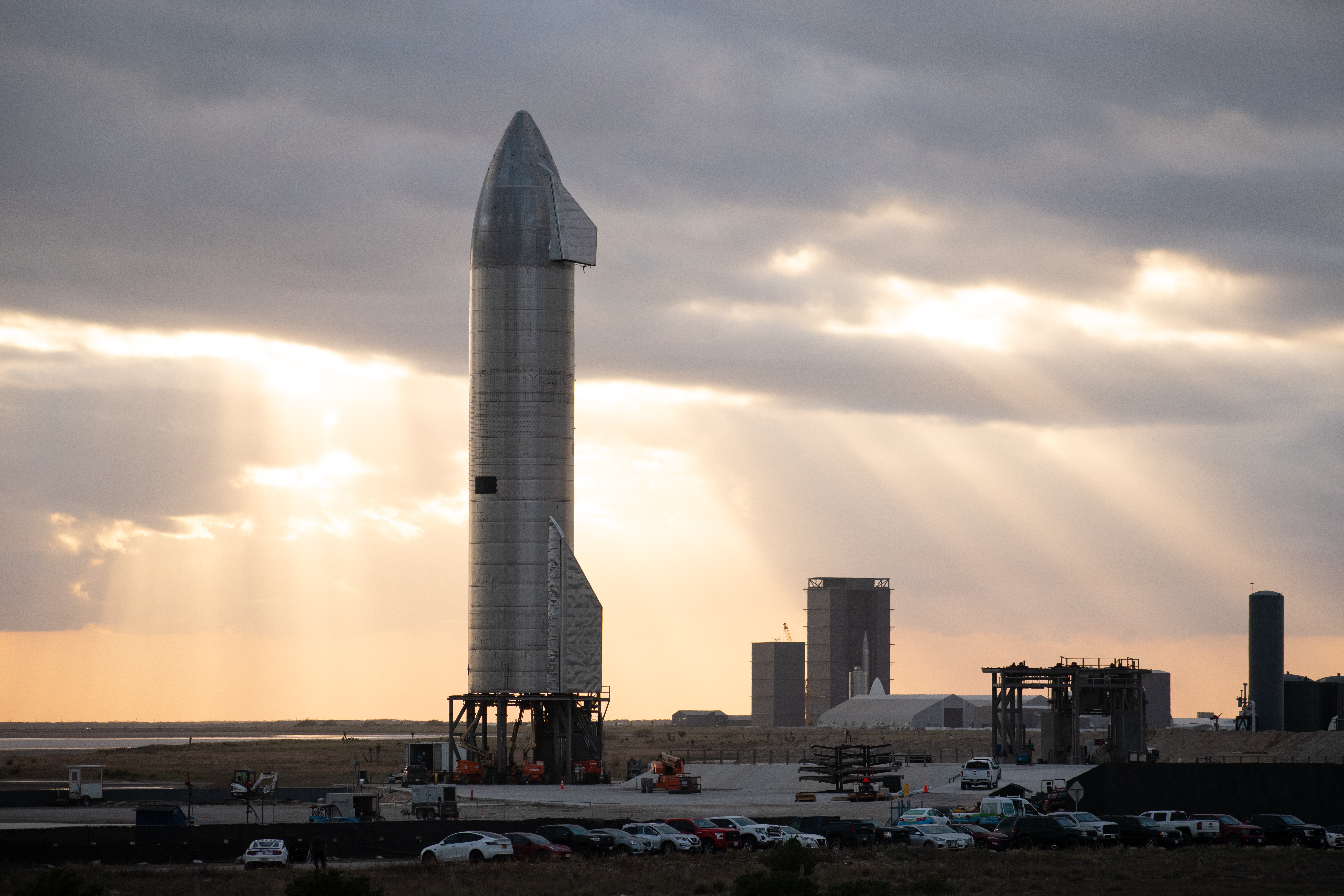
The 407-foot vehicle lifted off from Starbase, Texas, following an unexplained six-day delay. Its Super Heavy booster separated after the initial climb, while the upper spacecraft known as Ship continued to an altitude of roughly 170 miles despite the early engine cutoff.
Reaching orbit was a significant change from Starship’s previous integrated test flights, which followed suborbital trajectories. According to Aerospace America’s account of Flight 14, earlier integrated flights had lasted no more than 65 minutes. This mission was designed to stretch operations across six trips around Earth before an engine reignition, atmospheric reentry and splashdown in the Pacific off Chile.
Instead, a little more than an hour into the mission, SpaceX decided to deorbit early and shifted the intended landing area to the northern Pacific. No cause for the premature engine shutdown was established in the available account, and the decision to shorten the mission should not be treated as evidence of a specific additional failure.
Payload deployment proved one function, not the entire profile
The release of 26 larger, third-generation Starlink satellites gave Starship its first deployment of operational spacecraft in orbit. SpaceX said the new satellites offer 10 times the capacity delivered by a single Falcon 9 launch carrying the earlier V2 Mini satellites. They were intended to join the wider Starlink network and begin serving customers within weeks.
That result matters because Starship is being developed around payload volume and mass beyond what SpaceX’s existing Falcon 9 missions can routinely accommodate. An orbital deployment validates a central launch-vehicle function: reaching the required environment and releasing spacecraft that can begin operating independently.
It does not, however, validate every part of the planned flight. The curtailed schedule reduced the time available to exercise a six-orbit mission profile and moved the return away from the originally planned Pacific area off Chile. Reentry, descent and splashdown also remained separate objectives from payload deployment, and their results could not yet be counted in the mission outcome.
The lunar program demands more than a single orbital milestone
Starship’s progress extends beyond SpaceX’s broadband constellation. NASA has awarded SpaceX $2.9 billion in contracts for lunar-lander variants intended to carry astronauts between lunar orbit and the moon’s surface under the Artemis program. The first crewed Artemis lunar landing using that architecture is slated for 2028.
That role imposes a much broader test burden than putting satellites into low Earth orbit. A lunar mission will require a lander variant and multiple tanker flights to transfer propellant before the spacecraft proceeds toward the moon and docks with NASA’s Orion spacecraft. Each additional launch, rendezvous and transfer operation expands the number of systems and mission phases that must work together reliably.
Former NASA Space Shuttle commander Andy Allen called the orbital flight a “critical step” toward eventually carrying people. The wording fits the boundary of this result: Starship crossed an important threshold by reaching orbit and deploying a real payload, but its planned six-orbit endurance run and, at the time, its safe return remained unfinished business.
| More aerospace and engineering stories, right in your MSN feed. Follow AMI on MSN |
By David Whitaker — Associate editor for AMI’s aerospace and drone systems desk, translating flight systems, aircraft programs, spaceflight, and UAV developments into accessible technical stories.