Toyota’s 33-Day Supply Tightens as Affordable-Car Inventory Shrinks
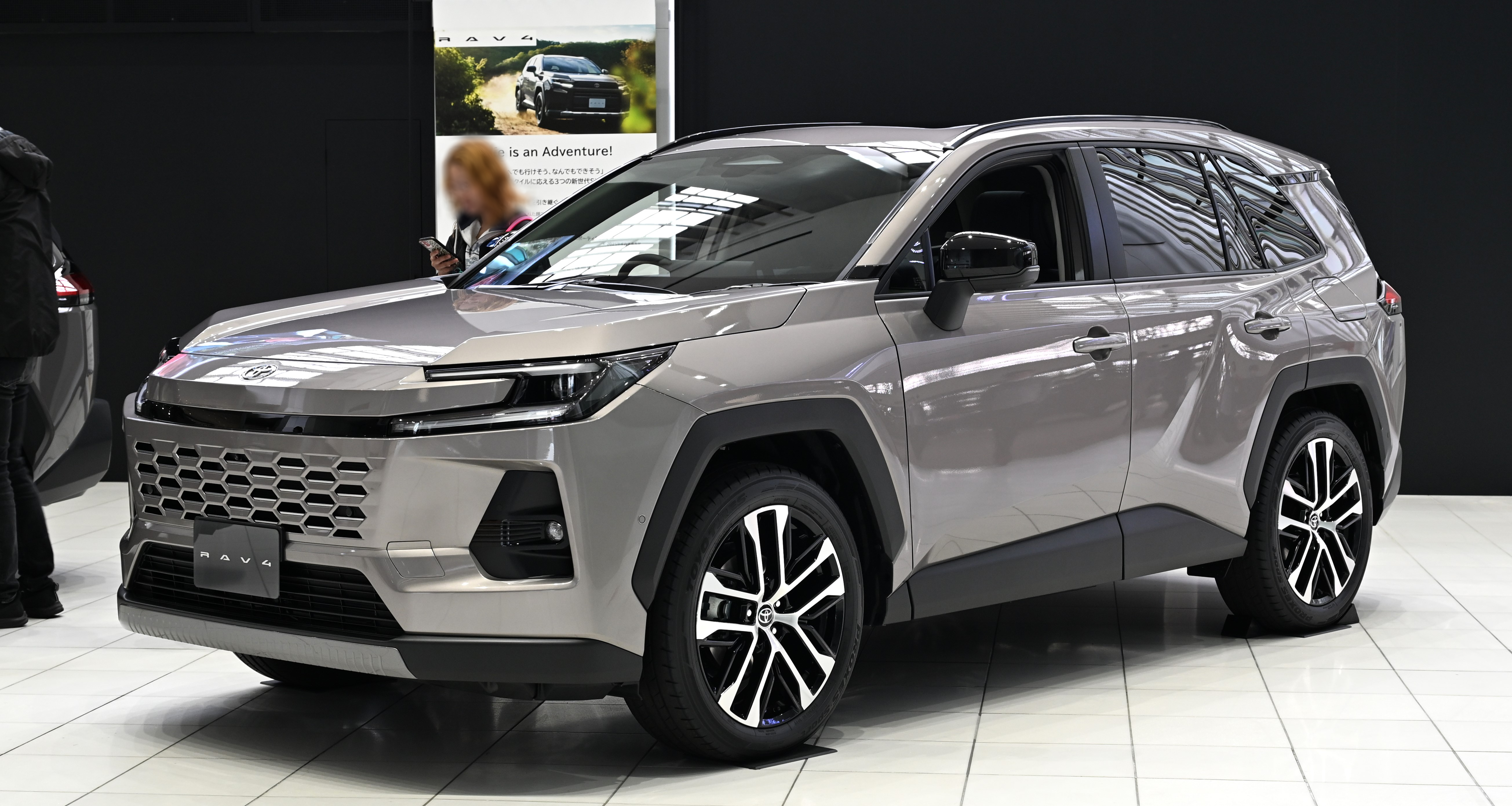
U.S. dealer lots can look reasonably well stocked while still failing buyers who need a lower-priced vehicle. In August 2026, Toyota had only 33 days of vehicle supply, while models priced at $30,000 or less had just 54 days, according to Cox Automotive’s inventory analysis. That imbalance means fewer choices at the affordable end of the market and may give the Honda CR-V an opening against Toyota’s supply-constrained RAV4.

The industry as a whole had 2.68 million new vehicles available, including units on dealer lots and in transit. That translated to 73 days of supply, the lowest level in 13 months, as August recorded the second-highest sales volume over the same period. Days’ supply estimates how long available inventory would last at the current sales pace if no additional vehicles arrived.
Overall supply therefore does not describe what every customer will encounter. Vehicles priced above $60,000 carried more than 90 days of supply, compared with 54 days for those at or below $30,000. Sixty-six percent of available new vehicles were priced above $40,000.
Affordable inventory is the tighter system constraint
This distribution matters because inventory influences more than whether a vehicle is technically available. When dealers have many units competing for buyers, manufacturers and retailers have greater reason to use discounts or incentives to accelerate sales. A shorter supply gives them less pressure to reduce prices and gives buyers fewer opportunities to find a preferred model, trim or color.
The average new-vehicle listing price was $49,486 in August, below the cited December level of $50,351 but still far above the threshold defining the market’s most constrained segment. Stable industry averages can consequently obscure an affordability problem: the supply that is easiest to find is disproportionately concentrated in more expensive vehicles.
Brand-level figures show an equally wide divide. Toyota had the tightest reported inventory at 33 days, followed by Lexus at 36 and Honda at 41. Subaru stood at 58 days, while Nissan and Kia had approximately 68 and 69 days, respectively.
At the opposite end, Dodge carried 133 days of supply and Ram had 127. Lincoln stood at 109 days and Buick at 106. Those brands have considerably more inventory relative to their current sales rates, creating more pressure to move existing vehicles than Toyota faces. The contrast does not prove that every high-supply model will receive a discount, but it helps explain why incentive conditions can vary sharply across the same national market.
RAV4 production turns inventory into a sales contest
Toyota’s position is especially important because constrained output of the redesigned RAV4 has been identified as one contributor to the company’s short supply. The RAV4 competes in a high-volume SUV category where availability can redirect a sale even when demand for the product remains strong.
If the exact RAV4 configuration a customer wants is unavailable, the practical alternatives include waiting, accepting another trim or color, or moving to a competing model. That creates an opportunity for the Honda CR-V, despite Honda itself carrying a relatively tight 41-day supply. The CR-V is projected to overtake the RAV4 as the year’s bestselling U.S. SUV and end Toyota’s 11-year run, but the annual result is not final.
The competition illustrates how sales leadership depends on production and distribution as well as consumer preference. Strong RAV4 demand cannot produce a retail sale until factories build enough vehicles and the distribution system places suitable configurations where customers can buy them. A 33-day brand supply leaves less buffer for production constraints, transportation delays or uneven regional demand.
A slower model-year transition limits replenishment
The rollout of model-year 2027 vehicles accelerated in August, but newer vehicles represented only 12.4% of available inventory. At the same point a year earlier, incoming model-year vehicles accounted for 23%. Toyota, Lexus and Subaru were among the brands still early in the transition, while Kia, Cadillac, BMW and Lincoln had more next-model-year availability.
A slower transition can help keep average listing prices comparatively stable because fewer newly introduced vehicles with their updated equipment and pricing have entered the inventory mix. It can also delay replenishment where supply is already tight. For Toyota, that means the engineering and manufacturing task is not simply sustaining demand for the RAV4; it is converting that demand into sufficient redesigned-vehicle output before customers shift to available alternatives.
August’s 73-day industry supply remains adequate in aggregate. The consequential figures are underneath that average: 54 days for vehicles costing $30,000 or less and 33 days across Toyota. Those constraints leave budget-conscious buyers with less flexibility and make RAV4 production a direct factor in whether Toyota can preserve its long-running SUV sales lead.
| More aerospace and engineering stories, right in your MSN feed. Follow AMI on MSN |
By Thomas Caldwell — AMI’s senior editor for mechanical and mobility engineering, covering vehicle electronics, systems integration, electrification, chassis systems, propulsion, and safety policy.