Ukraine Says Drones Hit Rosneft’s Novokuybyshevsk Refinery as Fuel Caps Spread
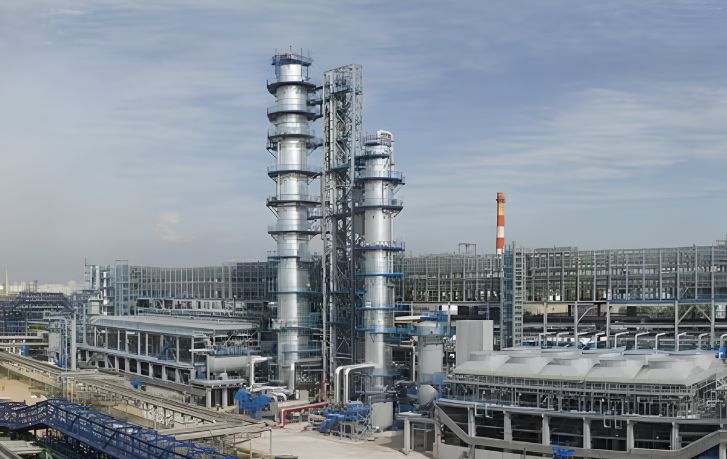
A Russian refinery rated to process about 8.8 million metric tons of crude annually was reportedly hit just as motorists were encountering gasoline lines, rationing and purchase caps. The central uncertainty is equally important: neither physical damage nor a production interruption at Rosneft’s Novokuybyshevsk refinery has been independently confirmed.

Ukraine’s General Staff said its forces struck production facilities at the refinery in Russia’s Samara Oblast overnight on August 22, 2026, causing a fire. Fire Point said FP-1 long-range uncrewed aircraft were used. The General Staff described the damage assessment as continuing, so claims that the plant was disabled or stopped making fuel would go beyond what has been established.
The refinery’s stated scale explains the attention. According to the General Staff, Novokuybyshevsk can process about 8.8 million metric tons of crude per year and produces more than 20 petroleum products, including diesel and aviation fuel. Militarnyi described it as one of Russia’s 10 largest refineries. That capacity figure represents potential annual processing, however not a verified measure of output lost after the reported strike.
Why refinery pressure reaches motorists quickly
Crude oil availability and usable fuel supply are not interchangeable. Refineries perform the conversion into gasoline, diesel, aviation fuel and other products, while storage terminals and distribution networks move those products to consumers. A country can therefore possess substantial crude supplies yet experience localized fuel shortages if refining throughput, product inventories or distribution become constrained.
By mid-August, filling stations in at least 12 Russian regions reportedly had hours-long lines. Some areas had restored purchase limits or license-plate-based rationing, while gasoline restrictions returned in Moscow and St. Petersburg. Rosneft capped gasoline purchases at 30 liters per vehicle across its filling-station network, although diesel remained unrestricted.
Those restrictions do not prove that the Novokuybyshevsk event caused the shortages. They predated or coincided with the reported strike and developed amid broader disruption: at least four Russian refineries went offline during August as attacks continued. Ukraine also confirmed striking Lukoil’s Perm refinery one day earlier, about 1,530 kilometers from Ukraine’s northern border, where the General Staff reported another fire.
The industrial consequence comes from accumulation. One unverified incident may have little measurable effect if equipment remains operable, inventories are sufficient or production can be shifted. Repeated outages across several plants are more consequential because they reduce the system’s flexibility to compensate for maintenance, transportation constraints or regional demand. Purchase caps can then serve as a distribution-control measure even before a complete local supply failure occurs.
Long-range drones create a readiness burden beyond one plant
The reported use of FP-1 drones also illustrates a broader systems problem. Long-range uncrewed aircraft allow pressure to be applied against geographically dispersed infrastructure, forcing defenders to consider many industrial and logistics sites rather than a single front. That does not establish that Russian air defenses failed comprehensively, nor does it verify the effectiveness of this particular strike. It does show how repeated incursions can impose continuing demands on detection, interception and infrastructure protection.
Drone manufacturing scale matters in that equation as much as the performance of an individual aircraft. A sustained campaign depends on production consistency, navigation and control reliability, launch availability and the ability to replace losses. For the defender, sustained protection similarly depends on sensor coverage, interceptor stocks, staffing and decisions about which facilities receive priority. The public information provided here does not quantify either side’s inventory or success rate, so broader readiness conclusions should remain limited.
The pressure extends beyond Russia’s filling stations
Refined-product markets were already under strain from disruptions outside Russia. The International Energy Agency’s September 2026 Oil Market Report said interruptions to Russia’s refining system and a near-halt in its product exports compounded major losses from Gulf suppliers. The agency reported that observed global oil inventories fell by 95 million barrels in August and by 507 million barrels from February through August.
That wider context matters because replacement fuel is not instantly available. Other refineries can raise throughput only within operating and maintenance limits, while finished gasoline and diesel must meet market specifications and reach the right region through existing transport networks. A refining shortfall can consequently remain visible in product availability even when crude oil continues to flow.
For Novokuybyshevsk, the decisive facts are still missing: independently verified damage, any reduction in throughput, the duration of a shutdown if one occurred, and whether product dispatches were interrupted. Until those figures emerge, the defensible conclusion is narrower but still consequential the reported FP-1 strike added another source of uncertainty to a refining and distribution system already producing lines, rationing and a nationwide 30-liter gasoline cap.
| More aerospace and engineering stories, right in your MSN feed. Follow AMI on MSN |
By Stephen Wallace — Editor for AMI’s aerospace integration and unmanned mobility coverage, focused on drone manufacturing, VTOL systems, autonomous networks, and air-ground mobility links.