DHL Ships Underwater Drones for New Amelia Earhart Aircraft Search
A 1,650-pound shipment of underwater-search equipment is moving toward Kiribati for a new attempt to find Amelia Earhart’s missing Lockheed Electra 10-E. The technology will help researchers inspect a submerged visual anomaly near Nikumaroro, but the object has not been identified as an aircraft or physically connected to Earhart.
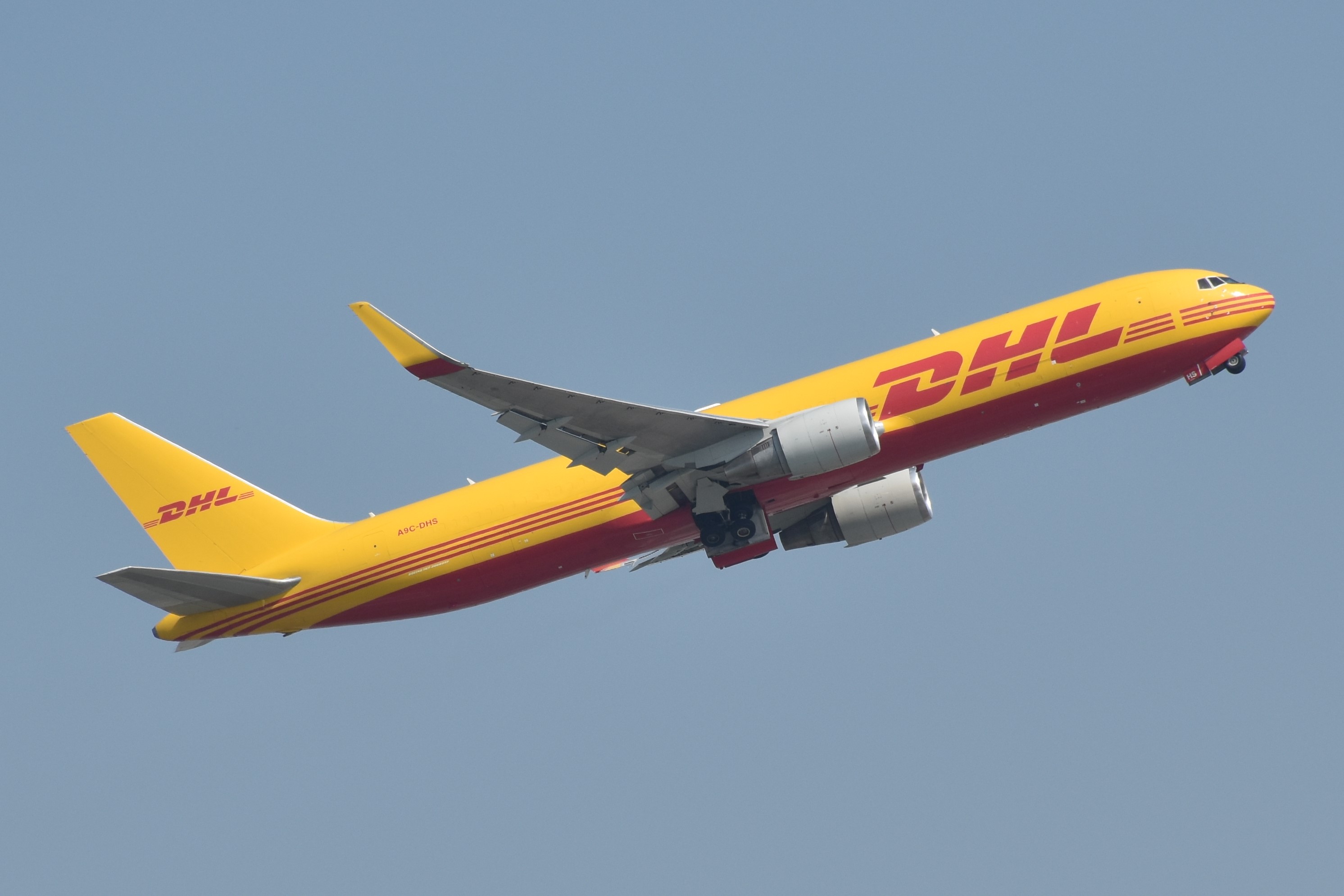
DHL is transporting three shipments from Eugene, Oregon, and Pensacola, Florida, to Bonriki International Airport in Tarawa. The cargo comprises 33 boxes, bags and tubs holding more than 100 items, including underwater drones, side-scan sonar, magnetometers, diving equipment, navigation systems, solar panels, communications technology, environmental-monitoring equipment and field supplies.
The shipment is a consequential readiness step for the Taraia Object Expedition, led by the Archaeological Legacy Institute with Purdue University and the Purdue Research Foundation as partners. According to an official Purdue expedition update, the mission began Oct. 2 when three team members departed Purdue University Airport. All 17 expedition members are scheduled to assemble in Tarawa on Oct. 6 before leaving by sea for Nikumaroro on Oct. 7.
A layered underwater search
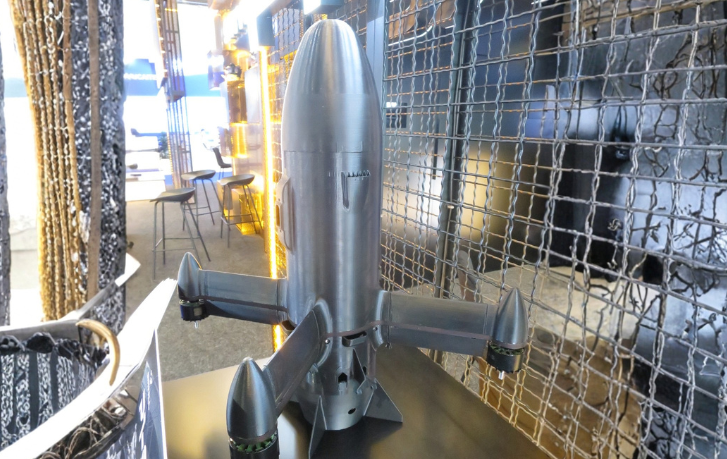
The equipment list shows that the team is not relying on a single image or sensor. Side-scan sonar can build an acoustic view of objects and terrain underwater, while magnetometers look for magnetic disturbances associated with metallic material. Underwater drones can extend observation and sensor coverage without requiring divers to conduct every initial inspection directly.
Those methods are complementary rather than conclusive on their own. Sonar may reveal an object’s shape or position, while a magnetometer can indicate whether buried or obscured material warrants closer examination. Images, measurements and excavation would still be needed to determine what the object is. The expedition plans to document the site before disturbing it, conduct remote sensing with sonar and magnetometers, and then use underwater excavation to expose the target for identification.
The broader equipment package also reflects the demands of operating at an uninhabited Pacific atoll. GPS and other navigation systems support field positioning, communications equipment connects the team beyond the site, and solar panels provide a local power source. Diving gear and environmental-monitoring equipment support direct work in and around the lagoon after remote instruments narrow the area of interest.
Getting that equipment to the field is itself a multistage operation. DHL said its teams addressed transportation requirements for lithium batteries and other regulated components while coordinating DHL-operated and commercial flights through its Americas and Asia-Pacific network. Once the cargo reaches Tarawa, the expedition faces a roughly six-day sea journey to Nikumaroro.
The target remains unidentified
The mission centers on the Taraia Object, a feature first noticed in satellite imagery in 2020. Purdue says researchers subsequently found it visible in aerial photographs of Nikumaroro’s lagoon dating to 1938. That establishes that a persistent or recurring visual feature appears at the location; it does not establish that the feature is wreckage.
The distinction is especially important because another organization that has investigated the Nikumaroro theory has disputed the aircraft interpretation. The International Group for Historic Aircraft Recovery suggested in 2021 that the feature could be a fallen palm tree and root mass carried into the lagoon by a storm. The new fieldwork is therefore an identification effort, not confirmation of a discovery.
Researchers also plan to survey nearby land for material that could have washed ashore. The expedition is scheduled to return to Tarawa around Oct. 22 and fly home the following day. Any attempt to remove aircraft wreckage, if wreckage is actually found and identified, would require permission from the government of Kiribati.
Earhart and navigator Fred Noonan disappeared on July 2, 1937, while flying from Lae, New Guinea, toward Howland Island during an attempted circumnavigation of the globe. Their aircraft has never been definitively located. Nearly nine decades later, the immediate question is narrower: whether a documented shape in Nikumaroro’s lagoon survives scrutiny from underwater drones, sonar, magnetometers and excavation or turns out to be something else entirely.
| More aerospace and engineering stories, right in your MSN feed. Follow AMI on MSN |
By Stephen Wallace — Editor for AMI’s aerospace integration and unmanned mobility coverage, focused on drone manufacturing, VTOL systems, autonomous networks, and air-ground mobility links.