NATO Scrambles Fighters; Lithuania Briefly Closes Vilnius Airspace Over Unidentified Contact
An unidentified radar contact approaching from the direction of Belarus set off a layered response in Lithuania on October 3: residents were warned to find a safe place, controlled airspace around Vilnius Airport was temporarily closed, and NATO fighters were scrambled. Lithuania issued an all-clear less than an hour later, but officials had not fully identified the contact.

That unresolved identification is the central fact of the episode. The radar return initially had characteristics suggesting a drone, according to Vilmantas Vitkauskas, head of Lithuania’s National Crisis Management Centre. Its recorded speed, however, was slightly lower than expected. He said bird migration or a radar anomaly remained possible explanations.
The warning was lifted after officials determined that the contact had moved beyond the monitored area and no longer presented an air threat. Ending the public alert did not establish what caused the detection. Authorities continued searching to determine whether a physical object had entered the airspace and whether anything had fallen.
A fighter launch does not confirm a hostile aircraft
The scramble illustrates the distinction between detecting a contact and classifying it. Radar can provide enough information to justify a response without producing an immediate, conclusive identification. In this case, the initial drone-like indication had to be weighed against a speed that did not fit the expected profile and alternative explanations that included wildlife or a sensor anomaly.
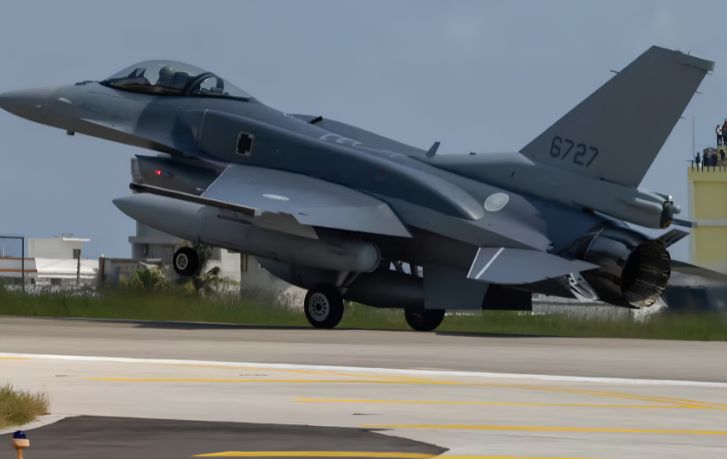
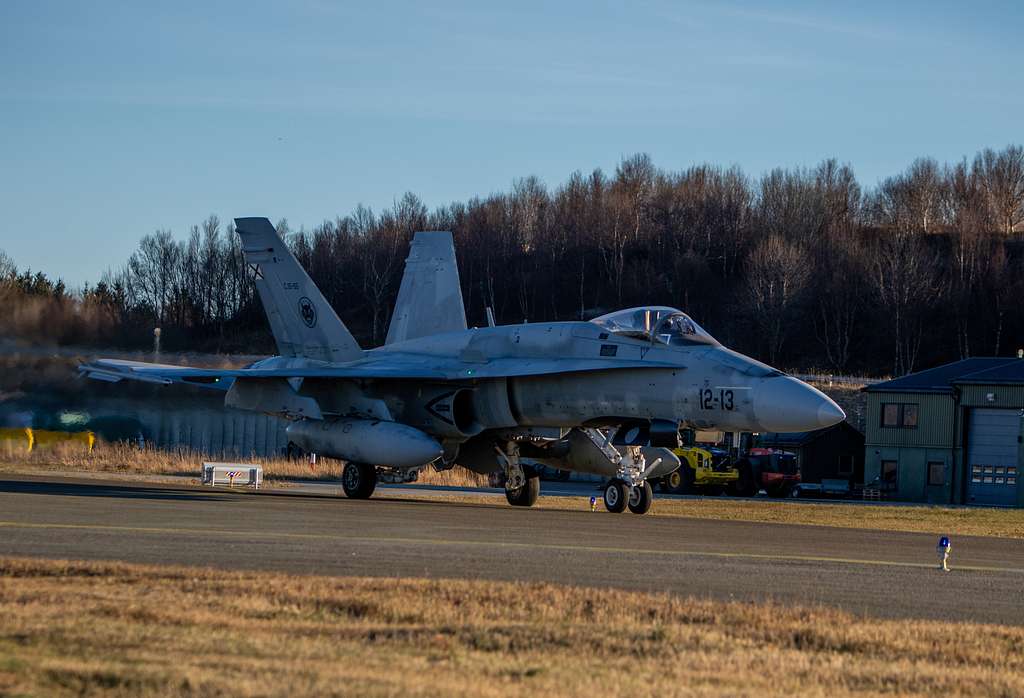
NATO’s Baltic Air Policing mission uses rotating fighter detachments supplied by alliance members. Its aircraft can be launched to help identify an unknown contact, but the decision to send fighters should not be read as proof that the object was hostile or even that it was an aircraft. Scrambling preserves response time while authorities investigate an uncertain track.
The civilian measures followed the same precautionary logic. Lithuania’s warning, issued shortly before 10 a.m. local time, advised people in the affected area to move to a safe location. Temporarily restricting controlled airspace around Vilnius Airport reduced the number of aircraft operating in the area while the unknown contact was assessed. Those steps carried immediate consequences for residents and airspace users even though the underlying detection remained ambiguous.
Officials also received reports from residents describing a possible object outside Vilnius moving toward Jonava. Vitkauskas emphasized that those accounts could not be confirmed. They therefore did not resolve whether the radar return represented a drone, another physical object, birds or an anomaly.
Earlier bird identification shows why uncertainty matters
A similar Lithuanian alert the previous month also prompted an Italian fighter scramble but was later attributed to birds. That earlier result does not establish what happened on October 3. It does, however, show why an initial launch and warning cannot substitute for a completed identification.
The operating context makes delayed action difficult. Lithuania borders Belarus and Russia’s Kaliningrad exclave, while unexplained airspace events have increased concern across NATO’s Baltic region. The latest contact was reported as arriving from the direction of Belarus, but that direction alone does not establish its origin, operator or purpose.
The response also coincided with Lithuania’s Vyčio Skliautas 2026 national mobilisation exercise. About 3,000 officials and 1,000 volunteers were participating, including in civilian-evacuation rehearsals. The overlap provides context for the number of agencies and public-warning procedures in motion, but it does not explain the radar detection itself.
Lithuanian authorities were left with two separate determinations: the contact no longer posed an immediate air threat, yet its identity remained unresolved. As Vitkauskas put it, “If it fell, if it was a drone, it will have to be found.” Until a physical object, additional sensor information or another conclusive finding emerges, the fighter scramble documents a precautionary identification response not confirmation of a drone incursion.
| More aerospace and engineering stories, right in your MSN feed. Follow AMI on MSN |
By David Whitaker — Associate editor for AMI’s aerospace and drone systems desk, translating flight systems, aircraft programs, spaceflight, and UAV developments into accessible technical stories.