Ukrainian Drone Attack Halts Moscow Refinery’s Two Crude Processing Units
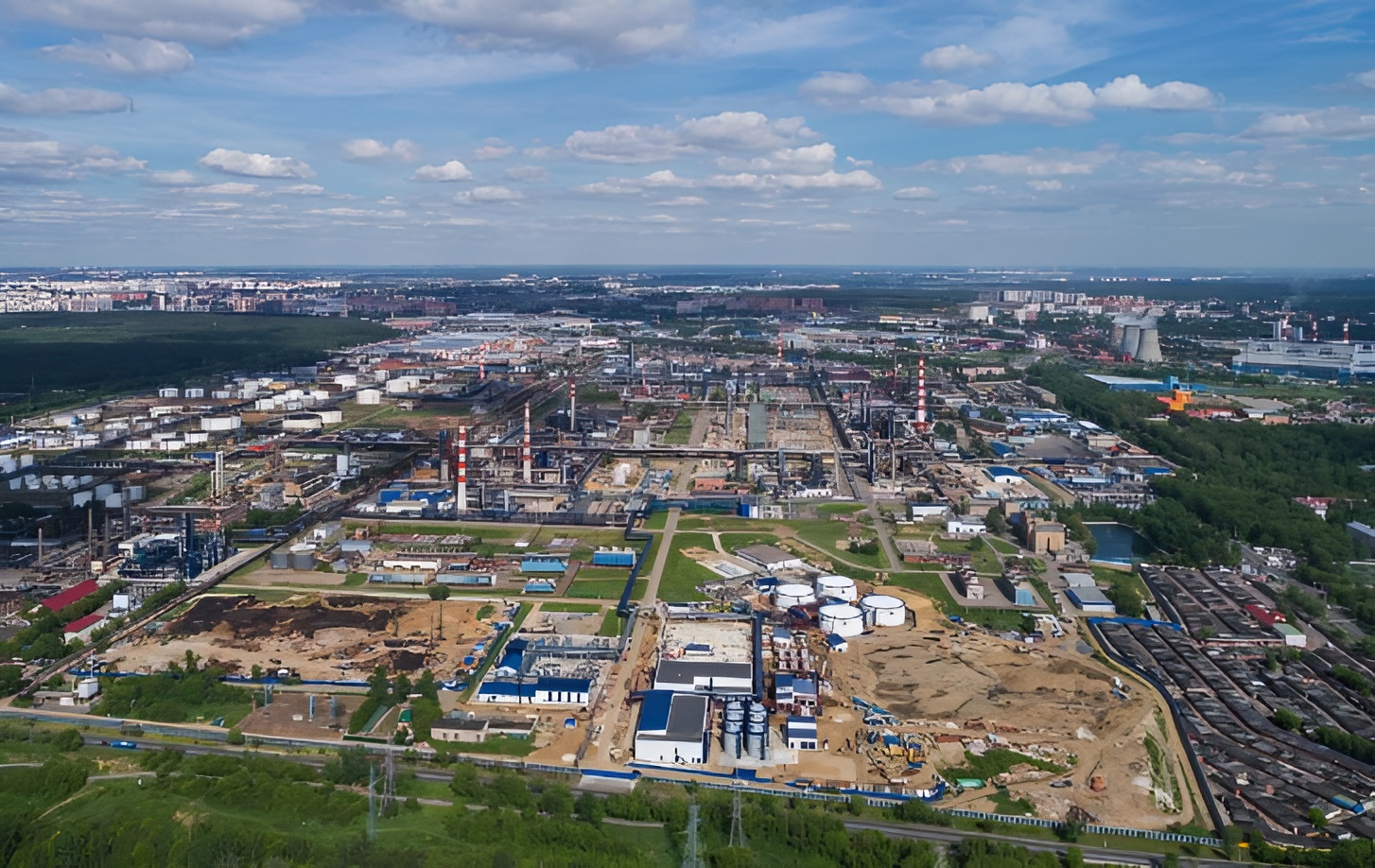
The Moscow refinery halted crude-oil processing after a Ukrainian drone attack on September 20, according to three industry sources cited by Reuters. The shutdown moves the incident beyond an initial report of damage: the Gazprom Neft facility in Moscow’s Kapotnya district reportedly lost the operation that feeds crude into its refining system.

Both of the refinery’s primary crude-distillation units caught fire, the sources said, and repairs could take several weeks. Gazprom Neft had not responded to Reuters’ request for comment, leaving the operator’s damage assessment and recovery schedule unconfirmed. The September 20 attack is distinct from an earlier strike in June, which had already generated separate reports about extensive damage and a prolonged outage.
The two affected units account for all of the refinery’s stated primary processing capacity. The AVT-6 unit can process 21,400 metric tons per day, or 53% of the total, while the EURO+ combined facility handles 18,800 tons per day, representing the other 47%. If both remain unavailable, crude cannot move through the initial distillation stage at the site, even if some storage, blending or downstream equipment remains intact.
That distinction matters because a refinery is not a single machine. Primary distillation separates crude into intermediate streams that later units convert or treat into products such as gasoline, diesel and aviation fuel. Losing both primary units therefore creates a plant-wide processing bottleneck rather than an isolated reduction in one product line. It does not, however, establish that every part of the refinery stopped operating or that all local fuel deliveries ceased.
The facility processed 11.6 million metric tons of crude in 2024, about 230,000 barrels per day, according to the industry sources. Its output that year included 2.9 million tons of gasoline, 3.2 million tons of diesel and 1.3 million tons of bitumen. Fuel produced by the refinery had not been offered on the St. Petersburg International Mercantile Exchange since September 21, Reuters reported. That is an observable commercial consequence, but it is not yet a measurement of shortages in Moscow.
The fuel impact remains the central unknown
A crude-processing halt at a major supplier creates pressure through lost production, inventory drawdowns and the need to redirect fuel from other plants. The actual effect depends on factors that have not been disclosed: product inventories, pipeline and rail availability, spare capacity elsewhere, the condition of secondary equipment and the duration of repairs. Without those figures, claims about the size or timing of any Moscow fuel shortage would be premature.
The outage nevertheless arrives amid broader stress on Russia’s refining network. In an analysis published before the September 20 attack, the International Energy Agency said Russian refinery throughput fell to 3.8 million barrels per day in June 2026, roughly 30% below the previous year and its lowest level in more than two decades. It also documented export restrictions and fuel imports intended to protect domestic supply.
Repeated attacks create an industrial-capacity problem extending beyond the equipment damaged in any one incident. Refineries normally coordinate maintenance across interconnected units. Unplanned shutdowns can force operators to accelerate repairs, postpone scheduled work or depend more heavily on other facilities. The IEA warned that repeated damage-and-repair cycles could erode reliability, while restrictions on access to some suppliers may lengthen replacement times.
Repair duration also depends heavily on which equipment is affected and how seriously. The IEA said minor damage to a crude-distillation unit can often be repaired in one or two weeks, whereas severe damage to more complex secondary units can require six to eight months. The several-week estimate attributed to the three industry sources is therefore plausible as an initial range for the September incident, but it remains an unofficial assessment rather than a confirmed Gazprom Neft schedule.
Scale also raises a readiness burden
The reported attack reflects a wider challenge for protecting large industrial sites from unmanned aircraft. A refinery spreads critical equipment, storage and utility systems across a broad fixed footprint, while continued operation depends on multiple connected processes. Defending that footprint requires persistent detection and response capacity, and every alert can disrupt nearby civil operations even when the final industrial damage is limited.
No publicly confirmed information establishes how defensive systems performed at Kapotnya or why the reported impacts occurred. The defensible conclusion is narrower: despite protection demands around the Russian capital, the September 20 event reportedly resulted in fires at both primary units and a complete halt to crude processing.
The next material fact will be an operator-confirmed repair plan or throughput update. Until one emerges, the shutdown is clear but its downstream reach is not: Moscow has reportedly lost production from a major local refinery, while the amount of fuel that inventories and other plants can replace remains unquantified.
| More aerospace and engineering stories, right in your MSN feed. Follow AMI on MSN |
By Stephen Wallace — Editor for AMI’s aerospace integration and unmanned mobility coverage, focused on drone manufacturing, VTOL systems, autonomous networks, and air-ground mobility links.