Wild Hornets Cuts Tactical Starlink Reliance but Keeps It in Wider Network
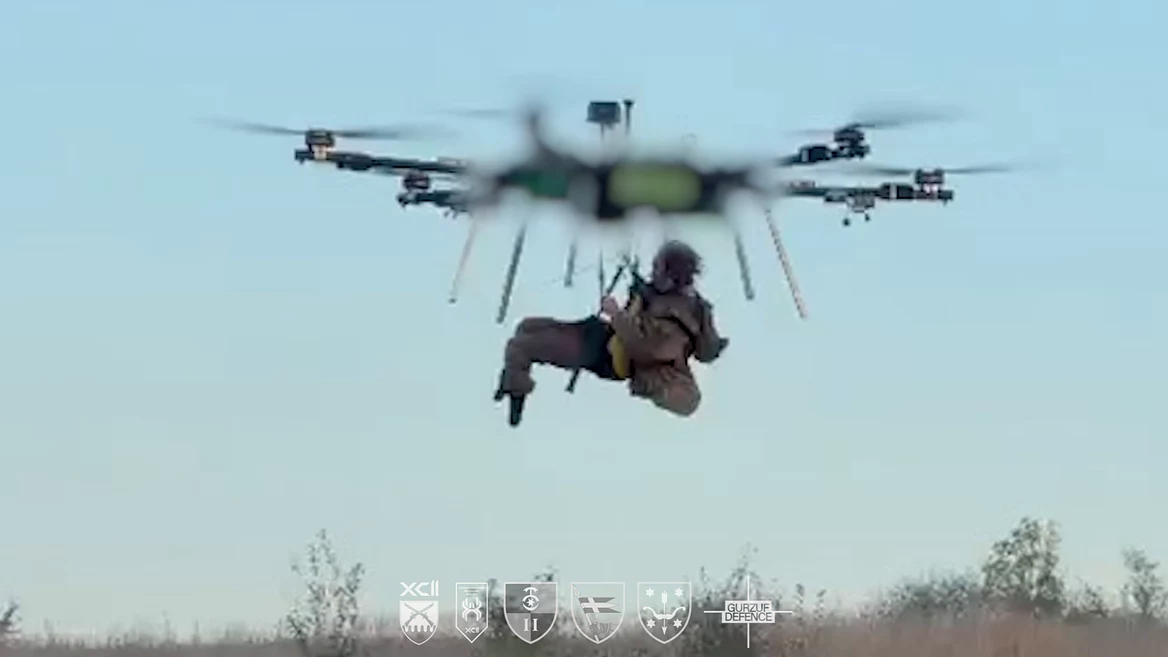
Wild Hornets is trying to reduce one communications dependency without pretending it can remove that dependency entirely. The Ukrainian drone manufacturer says its domestic Hornet Vision infrastructure will become the primary control system for its STING interceptor drones, while SpaceX’s Starlink remains part of the wider network connecting command centers with local ground stations.
The change, reported on October 21, follows a mobility restriction affecting high-speed Starshield terminals. Starshield is the government-focused service that uses the Starlink constellation as its backbone. Ukrainian officials said the restricted terminals could operate while moving only up to about 100 mph, according to Reuters reporting on the service limitation. Wild Hornets has been developing domestic communications alternatives for months, positioning that work as a way to reduce the restriction’s effect on interceptor operations.
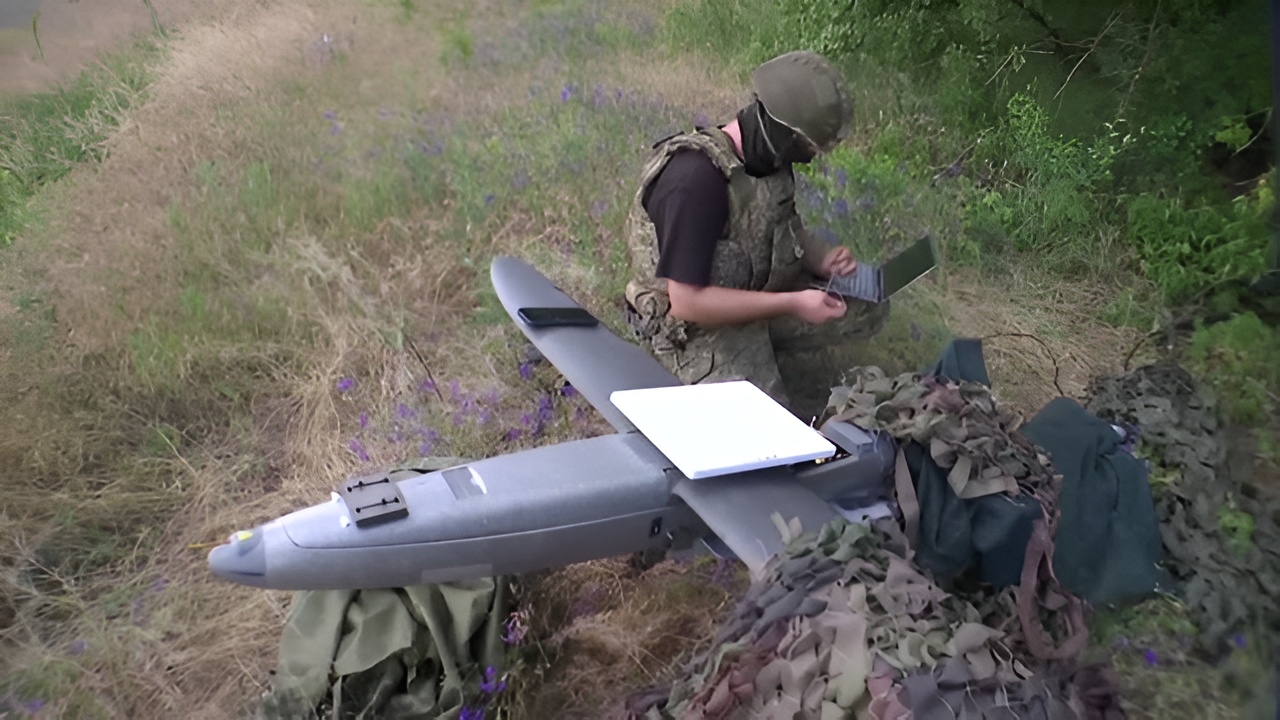
The important engineering shift is where the satellite connection sits in the communications chain. Wild Hornets spokesman Mike Orliuk told The War Zone that the company’s own system provides the basic connection to its interceptors through “various sources of internet connectivity.” Its command terminals are stationary and connect command centers with ground stations, so the company says they are not directly constrained by a limit aimed at equipment moving at high speed.
Separating drone control from internet transport
Hornet Vision Control is the company’s proprietary digital control and video infrastructure. Wild Hornets says it will serve as the main control system for STING interceptors, while stationary ground stations can use any available internet connection rather than relying exclusively on a satellite terminal.
That creates a hybrid architecture. Direct control at the tactical level moves toward domestic infrastructure, but traffic between dispersed ground stations and command centers can still travel over Starlink. The resulting system is therefore less dependent on Starlink at one critical layer, not independent of it across the entire network.
This separation has practical value because control infrastructure and internet backhaul do not have to be the same system. A locally managed control layer can continue to connect an aircraft with its associated ground equipment, while the broader command network uses whichever approved internet path is available. It also limits the extent to which one provider’s mobility policy defines the design of the whole interceptor network.
Communications resilience generally depends on path diversity rather than a single supposedly invulnerable connection. An Army University discussion of communications resilience notes that critical networks often combine commercial, wireless, wired and satellite services. Multiple logical links provide limited protection if they still share the same underlying bottleneck, however. For Wild Hornets, the meaningful change is its attempt to separate tactical drone control from the availability rules of one satellite service.
More channels, with performance still to be demonstrated
Wild Hornets reported in August that it had expanded Hornet Vision from nine to 25 independent communications channels. The company also associates that expansion with greater simultaneous-drone capacity and improved resistance to interference. Those performance results are Wild Hornets’ own claims; no independent test results were provided.
The increase from nine to 25 channels nevertheless shows the intended direction of development. The infrastructure is being scaled from an alternative link into a primary control system capable of supporting more distributed operations. Manufacturing enough aircraft is only one part of that expansion. Ground equipment, control software, network management and trained operators must grow with the fleet if additional drones are to translate into usable capacity.
Ukraine’s Ministry of Defense granted Wild Hornets what was described as “private air defense status” in early October. Under that arrangement, the company’s Night Hornets unit is expected to integrate its control centers and remote-launch network with Ukrainian Air Force command. The planned network is intended to help protect civilian infrastructure and production facilities without requiring an active Starlink connection at the tactical level.
That integration raises the standard for reliability. A proprietary control system tied into a wider air-defense structure must deliver predictable connections, manageable failure behavior and coordination across multiple organizations. Domestic ownership offers more control over upgrades and operating policies, but it also places more responsibility for maintenance, scaling and validation on the system developer and its partners.
Starlink therefore remains both useful and limiting: useful as a widely available connection between command centers and local stations, but limiting when one provider’s operating restriction can affect systems built around mobility. Wild Hornets’ current answer is not to discard the satellite network. It is to ensure that direct STING control no longer depends on carrying that network all the way to the interceptor itself.
| More aerospace and engineering stories, right in your MSN feed. Follow AMI on MSN |
By Stephen Wallace — Editor for AMI’s aerospace integration and unmanned mobility coverage, focused on drone manufacturing, VTOL systems, autonomous networks, and air-ground mobility links.