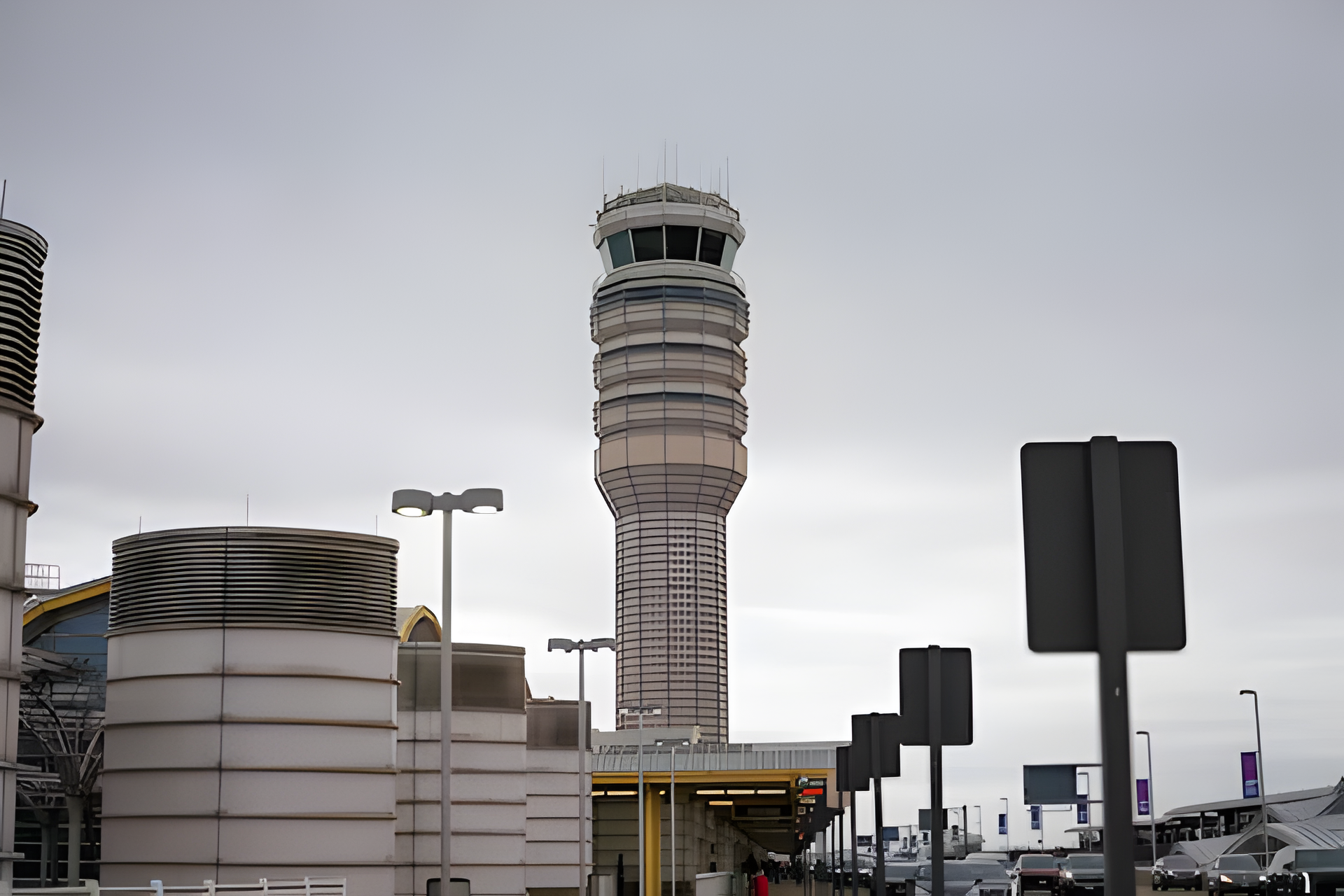
NATS Outage Cost UK £33 Million, but Provider Lost Under £1 Million
A software failure in the United Kingdom’s air traffic control system generated an estimated £33 million in domestic economic losses, yet National Air Traffic Services incurred less than £1 million in lost route charges. According to the Cyber Monitoring Centre’s assessment, airlines and other aviation businesses instead absorbed nearly all the cost of the September 8 outage.
More than 2,000 cancellations were reported in the disruption surrounding the failure. After adjusting for normal daily cancellation levels, the centre attributed 1,800 cancellations worldwide directly to the event, including 1,152 operated by UK airlines. It estimated that 450,000 passengers were affected by cancellations or delays exceeding two hours. The system was restored within hours, but displaced aircraft, crews and passengers kept schedules disrupted until September 11.
The losses accumulated outside NATS
The distribution is more revealing than the £33 million headline estimate. UK airlines accounted for just over £24 million, including more than £18 million associated with cancellations. Delays added close to £2.5 million, while diversions and the repositioning of aircraft contributed nearly £4 million. Airports, ground-service providers and tour operators accounted for roughly another £8 million.
NATS, where the technical failure occurred, lost less than £1 million in route charges on cancelled flights. Its internal response, investigation and software work did not produce material external costs in the model. Future resilience investment, reputational effects and the cost of the independent regulatory review were also excluded, so the estimate is not a complete accounting of every eventual expense.
The asymmetry follows from how aviation services and responsibilities are divided. Air traffic control collects route charges, while airlines carry the larger operational exposure when capacity suddenly falls. They must manage aircraft and crew displacement, passenger care, lost fares, hotels, diversions and schedule recovery. Airports and ground operators lose movement-related fees and other revenue even when their own systems remain available.
That structure separates the location of a technical failure from the location of its financial consequences. More than three-quarters of the modelled loss fell on airlines, while the direct loss assigned to NATS was below 3% of the £33 million estimate. For resilience policy, this creates a practical question: whether investment decisions made by the system provider sufficiently reflect costs imposed across the wider network.
A millisecond defect created days of disruption
NATS’ preliminary technical report traced the outage to a previously unknown software defect in a small section of the flight-data system. A routine aircraft-code request was paused when a higher-priority message arrived. When processing resumed, the defect corrupted the resulting output. The triggering interaction occurred within about one millisecond.
The event was accidental, with no evidence of malicious or cyber-related activity. Controllers maintained safe separation, and traffic restrictions were imposed to preserve safety margins while the system was restarted and flight data reconciled. This converted a software problem into a capacity problem rather than a loss of operational safety but reduced capacity still propagated through a network operating with tightly connected aircraft, crew and airport schedules.
The £33 million figure is itself a modelled central estimate, with a UK range of £24 million to £42 million. One major variable is how many passengers could be rebooked: the model assumed 70%. Including overseas airlines, the estimated worldwide loss rises to between £48 million and £76 million, excluding losses at non-UK airports.
The Civil Aviation Authority is conducting an independent review of NATS’ findings and resilience investment plans, with a final report due by March 8, 2027. Its scope is important because NATS has deployed a permanent fix for the identified defect, but replacement of the legacy flight-processing platform remains several years away. Legacy software offers mature, familiar behavior, while also carrying the possibility of defects that have remained hidden for years; replacement systems introduce their own transition and certification risks.
A separate, unrelated NATS connectivity problem less than two weeks later caused more than 170 additional cancellations, although those losses are excluded from the £33 million assessment. The immediate defect has been corrected, but the wider policy issue remains unresolved: the organization controlling resilience investment directly absorbed less than £1 million from a failure that cost airlines and other UK operators roughly £32 million.
| More aerospace and engineering stories, right in your MSN feed. Follow AMI on MSN |
By Thomas Caldwell — AMI’s senior editor for mechanical and mobility engineering, covering vehicle electronics, systems integration, electrification, chassis systems, propulsion, and safety policy.