Yangwang U9 Xtreme Hits 312.65 MPH, Crossing 500 KM/H
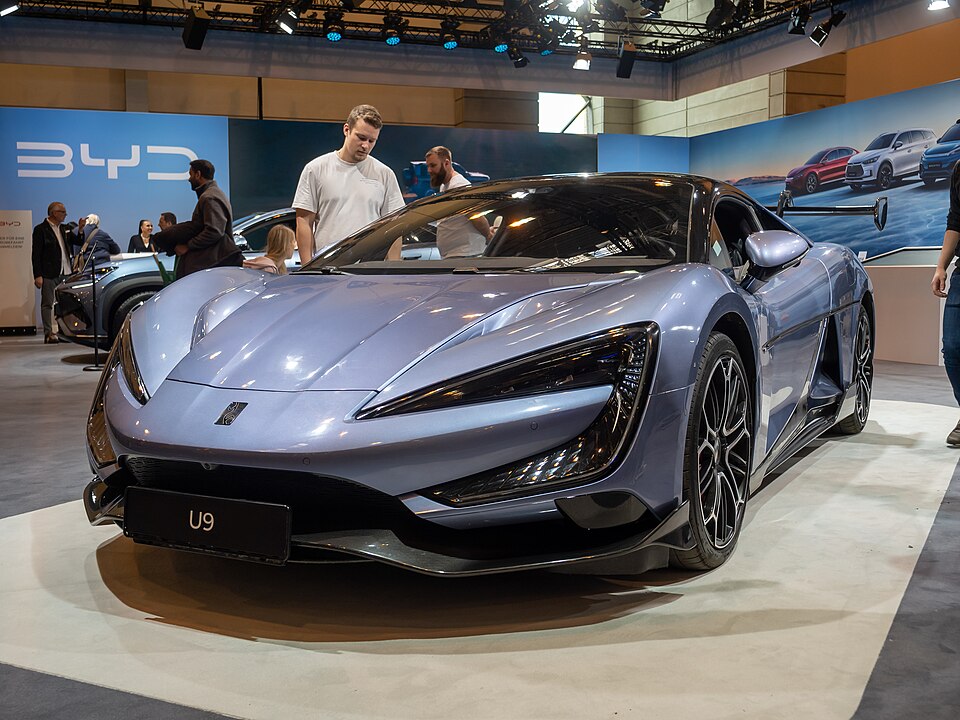
312.65 mph is the new headline number for the Yangwang U9 Xtreme. On November 1, 2026, racing driver Marc Basseng took the BYD-associated electric hypercar to 503.17 km/h on a secured section of Sheikh Khalifa Bin Zayed International Road in Abu Dhabi, according to Yangwang’s official account of the run.

The company describes the U9 Xtreme as the first street-legal car to exceed 500 km/h and the first car to reach that exact speed. The result also secured Guinness World Records for the highest speed achieved by a production car in a single-direction run and by an electric production car in a single-direction run. Yangwang says the FIA recognized the speed as well.
Those category details are important because maximum-speed records have not always been measured under identical rules. Some records use an average of runs in opposite directions to reduce the influence of wind and road gradient. The U9 Xtreme’s Guinness production-car title explicitly covers a single-direction run, giving the reported 503.17 km/h result a defined but narrower basis than a two-way average.
Crossing two major speed thresholds
The U9 Xtreme was not the first road car past 300 mph. The Bugatti Chiron Super Sport 300+ had previously reached approximately 304 mph. Yangwang’s 312.65-mph run moved beyond that benchmark and, more visibly for countries using metric units, crossed the round-number barrier of 500 km/h.
It did not establish a completed comparison with the Koenigsegg Jesko Absolut. Koenigsegg has discussed a potential 310-mph attempt, but the supplied record history does not document a Jesko top-speed run that the Yangwang could have beaten. The defensible comparison is that the U9 Xtreme’s recorded speed exceeds Koenigsegg’s stated 310-mph target, not a verified Jesko result.
The reported speed is also 70.985 mph below half the speed of sound, based on the comparison used for the run. That is an illustrative reference rather than a fixed automotive threshold: the speed of sound changes with atmospheric temperature and altitude, so a Mach comparison depends on local conditions.
The final 6.95 km/h required extensive preparation
Yangwang’s previous benchmark was 496.22 km/h, established in Germany in September 2025. Raising that figure to 503.17 km/h required more than additional motor output. The Abu Dhabi program had 10 kilometers of closed road available, including a seven-kilometer straight, and crews inspected the surface for debris that could threaten the tires.
After two October 31 runs topped out at 490 km/h, engineers worked overnight on the car’s starting temperatures and setup. They changed the rear-wing angle to add rear-axle downforce, adjusted suspension software to increase rebound damping over subtle road undulations and refined tire pressures. The second of two runs on November 1 produced the record.
The tires were a central constraint rather than an accessory. Giti developed bespoke GitiSport e.GTR2 Pro semi-slicks for the project, using aramid-fiber reinforcement and a specialized profile. The company says the tire technology had previously been validated indoors at 500 km/h. Guinness separately recognized the tires for the highest speed achieved by electric-vehicle tires.
The car supplied more than 3,000 metric horsepower through four motors, supported by a 1,200-volt electrical architecture. Yet the overnight adjustments show why power alone cannot secure a result at this speed. Tire condition, aerodynamic balance, suspension response, thermal preparation and road cleanliness all had to work within a narrow operating window.
A record car with limited availability
Yangwang says the U9 Xtreme will be restricted to 30 units worldwide, with some customers moving into contract signing and production scheduling. No confirmed price has been announced for the Xtreme. A figure of about £2 million has been suggested, but it remains speculation rather than an official price.
The standard Yangwang U9 is due to go on sale in 2027 for around £200,000, according to the reported launch information. That substantial gap between the expected standard-car price and the speculative Xtreme figure reflects how little the record configuration resembles ordinary high-volume vehicle production.
A future push toward roughly 350 mph would intensify the same constraints exposed in Abu Dhabi: finding enough suitable road, preserving stability over surface changes, managing aerodynamic loads and validating tires for still greater speed. The U9 Xtreme crossed the cleanest remaining round-number target, but it took a secured seven-kilometer straight, bespoke tires and overnight chassis and aerodynamic changes to gain the final 6.95 km/h.
| More aerospace and engineering stories, right in your MSN feed. Follow AMI on MSN |
By Robert McKinney — Editor-in-Chief for AMI’s automotive and mobility coverage, with a mechanical engineering background and a decade reporting on powertrain systems, EV innovation, and global vehicle manufacturing.