AI Fiber Squeeze Raises Ukrainian Drone Cable Costs Sixfold or More
The same optical fiber feeding the artificial-intelligence data-center boom is becoming sharply more expensive for Ukrainian drone manufacturers. BlueBird Tech told Ars Technica that it now pays approximately six to ten times more for the fiber used in its drones than it did in 2025.
Another Ukrainian manufacturer, VYRIY, reportedly saw the price of one kilometer of G.657.A2 fiber rise from about $4 to $29 in less than one quarter. That is a severe increase for a component that is consumed on every flight rather than recovered and reused, placing immediate pressure on production budgets and fixed-price state orders.
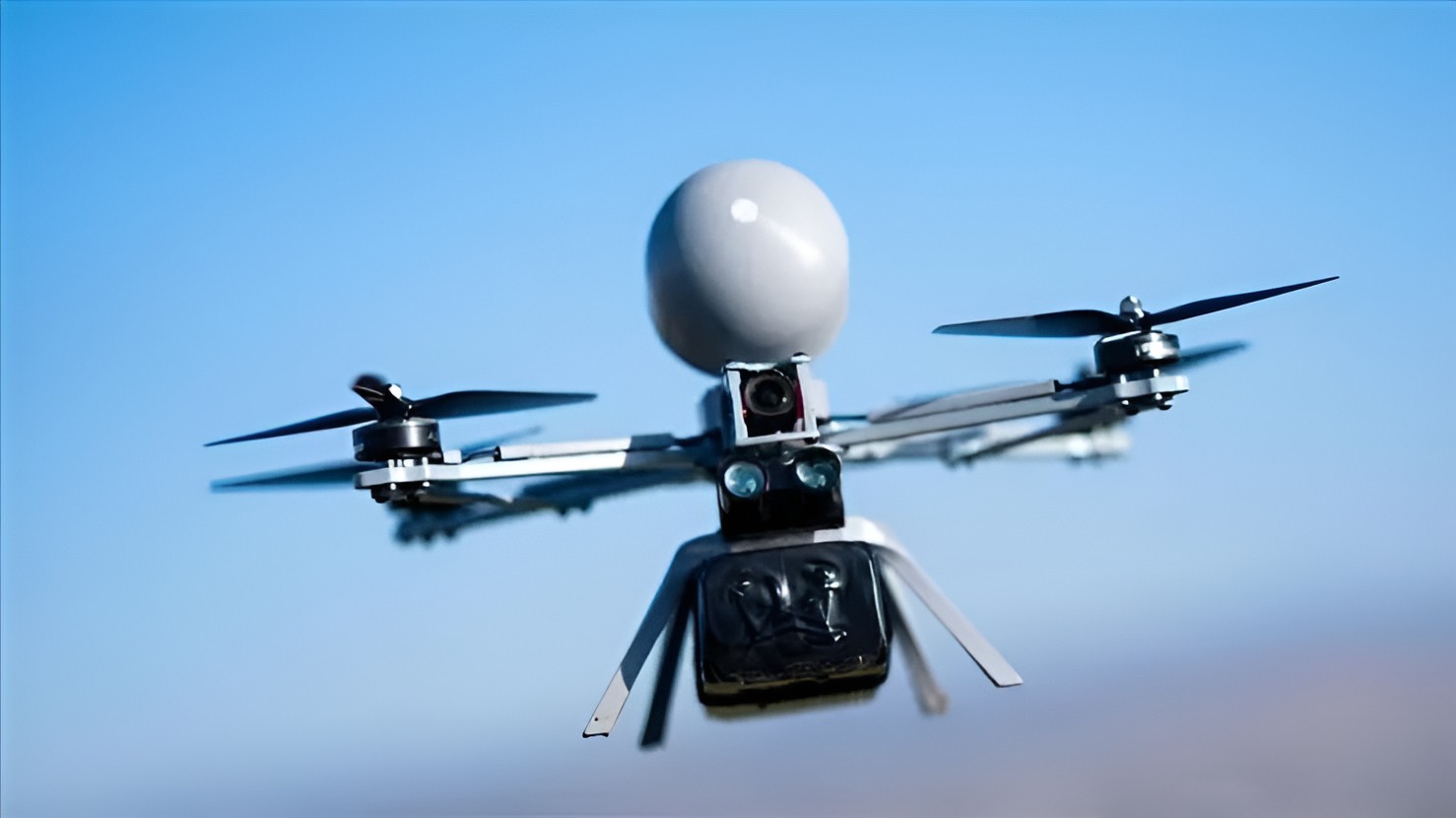
Fiber-controlled drones carry commands and video through a physical glass connection instead of a radio link. Because radio-frequency interference cannot cut that wired connection, the design remains useful where conventional radio-controlled aircraft face heavy jamming. That advantage, however, makes every aircraft dependent on a long spool of specialized cable.
One fiber specification serves two expanding markets
The G.657.A2 single-mode fiber identified by Ukrainian manufacturers is designed to limit signal loss when routed around tight curves. The International Telecommunication Union’s G.657 standard lists A2 fiber as appropriate for a minimum design radius of 7.5 millimeters and specifically includes data-center networks among its applications.
That bend tolerance is valuable in both settings. Data centers need dense cable routing in constrained spaces, while a drone’s fiber must remain functional as it unwinds from a moving aircraft. The overlap means Ukrainian manufacturers are not buying an isolated military material; they are competing in a global communications market increasingly shaped by large infrastructure customers.
TrendForce projects worldwide optical-fiber demand of 577 million fiber-kilometers in 2026, alongside a shortfall of 180 million fiber-kilometers. It estimates that data centers will account for 18% to 20% of demand this year, rising to 30% to 35% in 2027.
Bend-insensitive fiber is under particularly strong pressure. TrendForce expects its average 2026 price to exceed five times the 2025 level. Global fiber factories are operating at an estimated 92% capacity utilization, while inventories have fallen from four months in 2024 to one month in 2026. Expanding the underlying preform capacity typically takes 18 to 24 months, limiting how quickly manufacturers can respond.
Scale favors buyers able to secure long-term supply
Large telecommunications and data-center customers can respond by negotiating multiyear supply agreements. Smaller drone manufacturers have less leverage and face a harder combination of volatile spot prices, foreign sourcing and state delivery commitments.
Ukraine’s Defense Procurement Agency attributed the shortage to wartime demand, sharply higher civilian consumption led by AI data centers, and production concentrated largely in China. Serhii Honcharov, executive director of Ukraine’s National Association of Defense Industries, has said the cable is in acute shortage for drone manufacturers and is not produced domestically. Ukrainian and Russian producers rely on Chinese suppliers for bulk fiber and finished spools.
BlueBird Tech attempts to manage cost and quality by purchasing fiber on large spools and winding smaller drone spools internally. A company representative identified as Oleksiy also reported defects in some finished Chinese spools, making the constraint more than a question of price: incoming material and completed assemblies still require quality control before they can support reliable production.
Other manufacturers have less room to absorb the increase. Edrone CEO Viktor Yevpak said his company used previous revenue to cover deficits while completing state orders after raw-material costs rose. Grim Tech temporarily suspended deliveries through a state marketplace after reporting a sixfold increase in component prices.
Ukraine reportedly contracted for 374,000 fiber-controlled first-person-view drones in 2025, indicating the scale at which a recurring cable expense can affect procurement. There is no published standard spool length or total annual fiber-consumption figure for those contracts, so the aggregate material requirement cannot be calculated from that order count alone.
The near-term constraint is therefore defined by exposure rather than total consumption: every completed aircraft requires fresh fiber, domestic manufacturers cannot source it locally, and new global production capacity will take time. With data centers projected to claim as much as 35% of worldwide fiber demand in 2027, Ukrainian drone makers face a supply market increasingly set by customers far larger than they are.
| More aerospace and engineering stories, right in your MSN feed. Follow AMI on MSN |
By Stephen Wallace — Editor for AMI’s aerospace integration and unmanned mobility coverage, focused on drone manufacturing, VTOL systems, autonomous networks, and air-ground mobility links.