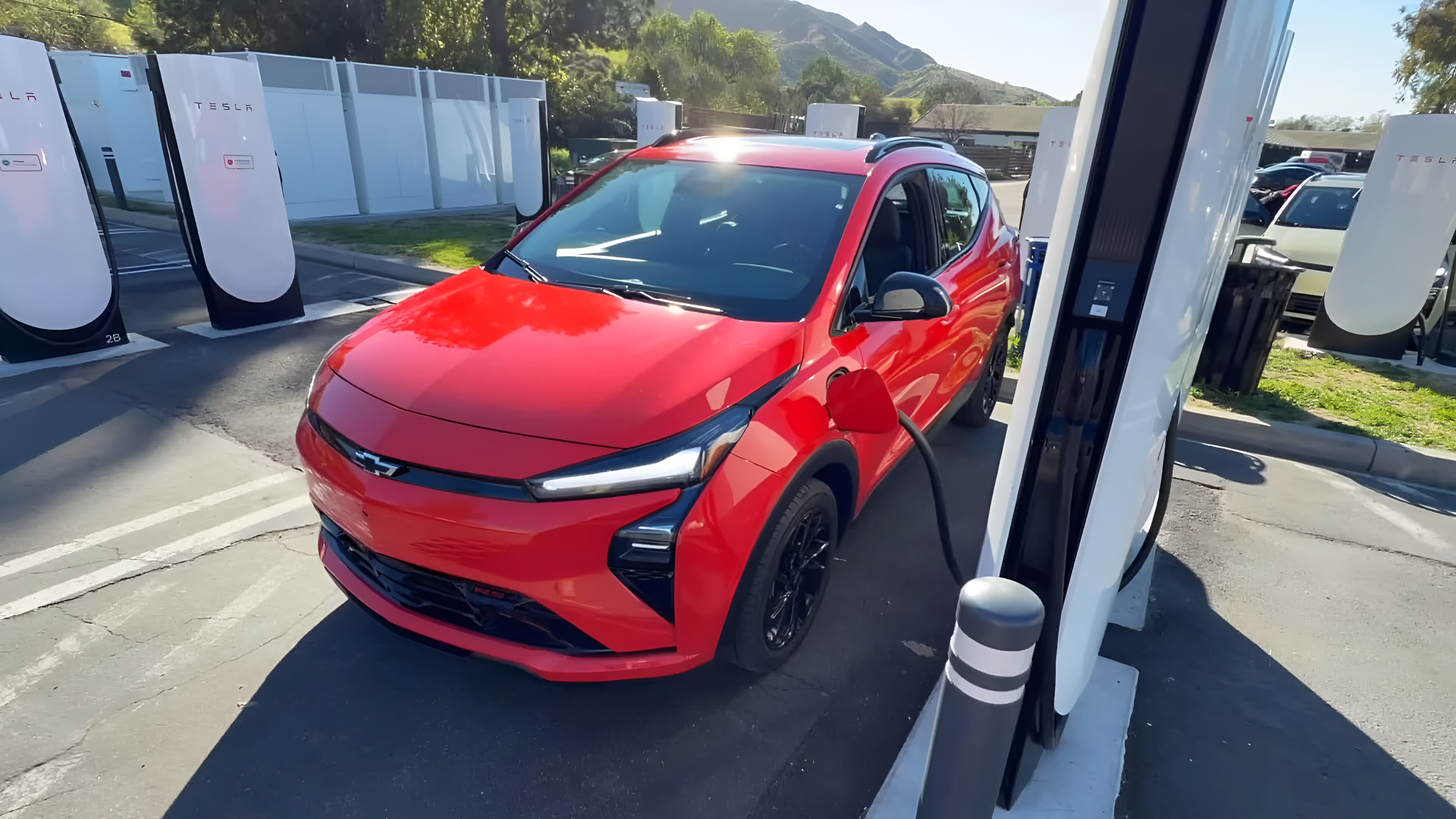
BUILD America 250 Act Proposes $130 Annual Electric-Vehicle Fee
Electric vehicles avoid the federal gasoline tax because they do not burn gasoline, but a transportation bill in Congress would replace part of that missing road revenue with a flat annual ownership charge. Under the BUILD America 250 Act, owners of covered electric vehicles would initially pay $130 each year, while owners of covered plug-in hybrids would pay $35.
The electric-vehicle charge could eventually reach $150. The proposal could take effect as soon as December if Congress approves it, although the available bill information does not specify the collection mechanism or a firm enactment date. The measure was introduced in the House on May 19, 2026, and remains a proposal rather than an existing federal fee.
A flat charge changes the user-pays calculation
The central engineering-policy issue is not whether electric vehicles use public roads. They do. It is how closely the payment method reflects their actual use of those roads. Federal gasoline taxes rise with fuel consumption: driving more miles generally means buying more fuel and paying more tax, while vehicle efficiency also affects the total. The proposed electric-vehicle fee is a fixed yearly amount that is not tied to mileage.
That makes the system straightforward to understand and potentially simpler to administer than a mileage-based charge. It also means an electric vehicle driven 4,000 miles in a year could face the same federal fee as one driven 20,000 miles. Low-mileage owners would consequently pay more per mile than high-mileage owners under the federal fee, assuming both vehicles fall into the same covered category.
Plug-in hybrids occupy a middle position because they can travel on electricity but still consume gasoline and generate fuel-tax revenue when their engines operate. The proposed $35 charge recognizes that distinction, although the actual balance between electricity and gasoline varies with charging habits, trip length and vehicle design. A single plug-in-hybrid fee cannot account for those operating differences.
The comparison with gasoline vehicles is uneven
A 2026 analysis using registration, inspection, mileage and fuel-economy data for 255,783 light-duty vehicles in Vermont found that gasoline and diesel owners paid an average of $91 annually in federal fuel taxes. Eighty percent paid less than the proposed $130 electric-vehicle fee. In urban areas, where trips were shorter and vehicles more efficient, 86% paid less.
Those results are specific to Vermont and do not establish the distribution for every state. They nevertheless illustrate the structural consequence of replacing a consumption tax with a uniform charge. The federal gasoline tax varies with miles traveled and fuel economy; the proposed electric-vehicle fee would not. Geography, commuting distance and annual use would therefore affect whether an owner’s charge resembles what a comparable gasoline driver pays.
Vehicle weight is another cost factor that the flat federal proposal does not appear to differentiate. Road wear is influenced by vehicle loading, yet a uniform fee groups covered personal electric vehicles together rather than adjusting the charge by weight or another measure of infrastructure impact.
The fee addresses only part of the funding problem
Supporters argue that electric-vehicle owners should contribute to the road system as gasoline-tax receipts decline. The broader act would authorize federal surface-transportation programs through fiscal 2031, covering highways, bridges, public transportation, rail, highway safety and motor-carrier programs. Current authorization for those programs expires September 30, 2026.
Electrification is only one pressure on fuel-tax revenue. The federal gasoline tax has remained 18.4 cents per gallon since 1993, allowing inflation to reduce its purchasing power. Improving fuel economy also lowers taxable fuel consumption among gasoline vehicles. A fee imposed only on electric vehicles does not address either effect across the rest of the fleet.
The Vermont analysis projected that the proposed fee would recover some revenue lost as electric-vehicle adoption increases, but not enough by itself to stabilize transportation funding. It identified alternatives including inflation indexing and mileage-based charges, each with different tradeoffs. A mileage charge aligns payment more directly with road use but adds reporting, administrative and privacy questions. A flat registration fee is simpler but disconnects the payment from miles driven.
The proposal would therefore do more than add $130 to an electric vehicle’s annual ownership costs. It would establish a new federal funding model in which covered electric-vehicle owners pay a recurring fixed charge while gasoline drivers continue paying according to fuel consumption. Congress has yet to resolve the practical details that will determine how that division works in registration systems and how fairly it distributes road costs among drivers with sharply different travel patterns.
| More aerospace and engineering stories, right in your MSN feed. Follow AMI on MSN |
By Thomas Caldwell — AMI’s senior editor for mechanical and mobility engineering, covering vehicle electronics, systems integration, electrification, chassis systems, propulsion, and safety policy.