CarMax Offered $32,000 for Corvette Z06 After $55,500 Auction Bid
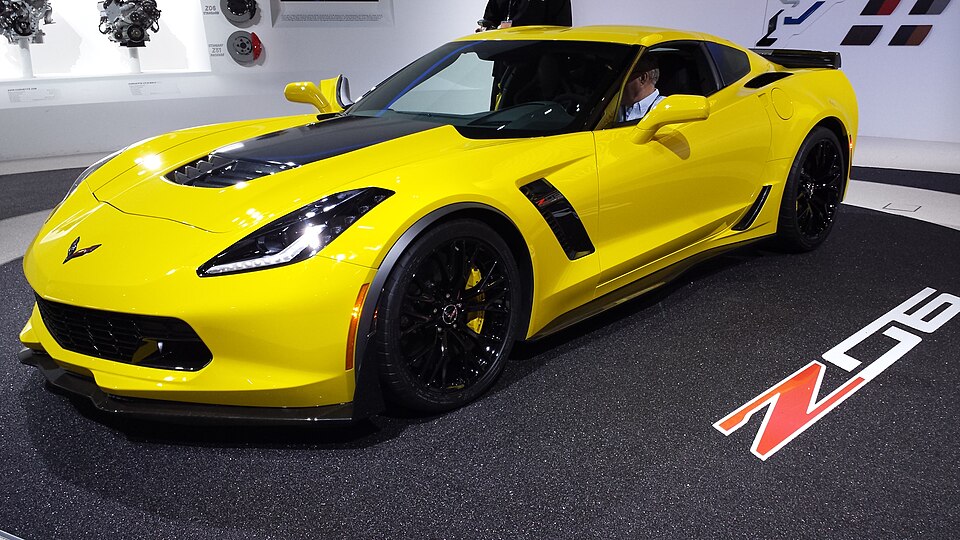
One 2018 Chevrolet Corvette Z06 produced three very different numbers: a $55,500 top bid at a dealer auction, pricing benchmarks from $59,000 to $64,900, and a $32,000 purchase offer from CarMax. Craig, a Florida dealer who owned the car, immediately rejected the CarMax figure.

The gap is striking because this was a 20,000-mile Z06, not an ordinary high-mileage Corvette. Its supercharged engine is rated at 650 horsepower, and the car had already attracted a dealer-auction bid roughly equal to what Craig had paid for it. Yet none of the higher figures represented a completed sale, leaving its market-clearing value unresolved.
Three figures, three different kinds of value
The $55,500 auction bid is the strongest indication that another dealer was willing to put substantial money behind the car. Craig declined that bid, however, so it remains a bid rather than a transaction. The $59,000 low-end auction value he found and the $64,900 Manheim Market Report figure were reference points, not guaranteed proceeds.
CarMax’s $32,000 offer served a different purpose. A corporate purchase offer is the amount a company is prepared to pay under its own appraisal and resale process. It may account for the uncertainty of finding a buyer, preparing the vehicle, carrying it in inventory and disposing of it through another channel if it does not fit the retailer’s needs. The supplied figures do not disclose which factors CarMax weighted or how it calculated this particular offer.
That distinction helps explain how one vehicle can generate numbers separated by more than $20,000 without any of them automatically defining its final value. A pricing guide estimates a market. An auction records what bidders will offer under a particular set of conditions. A direct purchaser sets a price that must work within its own risk and resale model. Only a completed arm’s-length sale establishes what a buyer ultimately paid.
History flags can complicate an enthusiast-car appraisal
The vehicle-history report reviewed during the CarMax visit showed a clean title and no accident, rebuilt, reconstructed or salvage history. It did include a vandalism notation. Craig believed that notation pulled down the appraisal, but CarMax’s reasoning was not provided, so the size of any effect remains unknown.
For a specialized performance car, a history entry can create uncertainty even when it is not an accident or title brand. A future buyer may want to know what was damaged, how it was repaired and whether the work affected appearance or originality. A high-volume buyer can respond to that uncertainty more conservatively than an enthusiast who has inspected the car and is comfortable with its condition.
Craig maintained that the Z06 was worth between $58,000 and $60,000 despite the notation. That expectation was broadly aligned with the benchmarks he consulted, but it was still above the car’s previous $55,500 auction bid and far above CarMax’s offer.
Correct wheels improved presentation, not proven value
Before visiting CarMax, Craig suspected the Corvette’s existing wheels were discouraging bidders because they left conspicuous gaps between the tires and fenders. He bought Z06-specific wheels and tires through Facebook Marketplace for $750 after the seller initially asked $800, then installed them on the car.
After the change, Craig said prospective buyers “can’t really pick it apart anymore.” The replacement addressed an obvious presentation issue and made the car look more consistent with the model. It did not, however, produce a documented increase in value: the CarMax appraisal came afterward and was still $32,000.
This is a familiar constraint with enthusiast vehicles. Model-correct components can improve buyer confidence, but money spent correcting presentation does not necessarily return dollar for dollar. Mechanical specification, mileage, history, originality, condition and the available pool of buyers all interact, while different sales channels place different weight on each factor.
The final sale remains the missing benchmark
Craig later advertised the Corvette on Facebook Marketplace below comparable listings, but prospective buyers commonly offered about $10,000 less than his asking price. Asking prices show what sellers hope to receive; the lower inquiries show continuing resistance, not completed-sale values.
After owning the Z06 for about three months and driving it roughly 1,000 miles, Craig planned to enter it in an annual Corvette and classic-car auction near his dealership. That venue may bring the car before buyers who place more value on its 650-horsepower specification and low mileage, but the result was not yet known.
Until the Corvette sells, the episode remains a comparison among unlike measurements rather than proof that any one appraisal was correct. The clearest confirmed market signal was the rejected $55,500 bid. The clearest liquidity offer was CarMax’s $32,000. The eventual auction result will determine whether Craig’s near-$60,000 expectation can attract a buyer willing to complete the deal.
| More aerospace and engineering stories, right in your MSN feed. Follow AMI on MSN |
By Robert McKinney — Editor-in-Chief for AMI’s automotive and mobility coverage, with a mechanical engineering background and a decade reporting on powertrain systems, EV innovation, and global vehicle manufacturing.