FAA Outage Fallout Cancels Nearly 1,600 Flights on Third Day
Nearly 1,600 U.S. flights had been canceled by 10 a.m. EST Sunday as airlines entered a third day of recovery from Friday’s nationwide Federal Aviation Administration ground stop. Another 2,570 flights were delayed, extending the passenger impact well beyond the several hours during which most domestic departures were halted.
The FAA said the technical problem began at approximately 3:30 p.m. ET Friday, destabilizing communications and radar feeds used by air traffic control. The agency stopped departures nationwide as a safety measure, then resumed air traffic at 8:15 p.m. after isolating the problem and observing the system for stability. Approximately 3,500 aircraft that were already airborne landed safely.
Restoring the FAA system, however, did not immediately restore airline schedules. More than 17,000 flights had been canceled since Friday, leaving aircraft, flight crews, passengers and checked baggage scattered across a network built around tightly sequenced daily rotations.
Airlines were still rebuilding Sunday
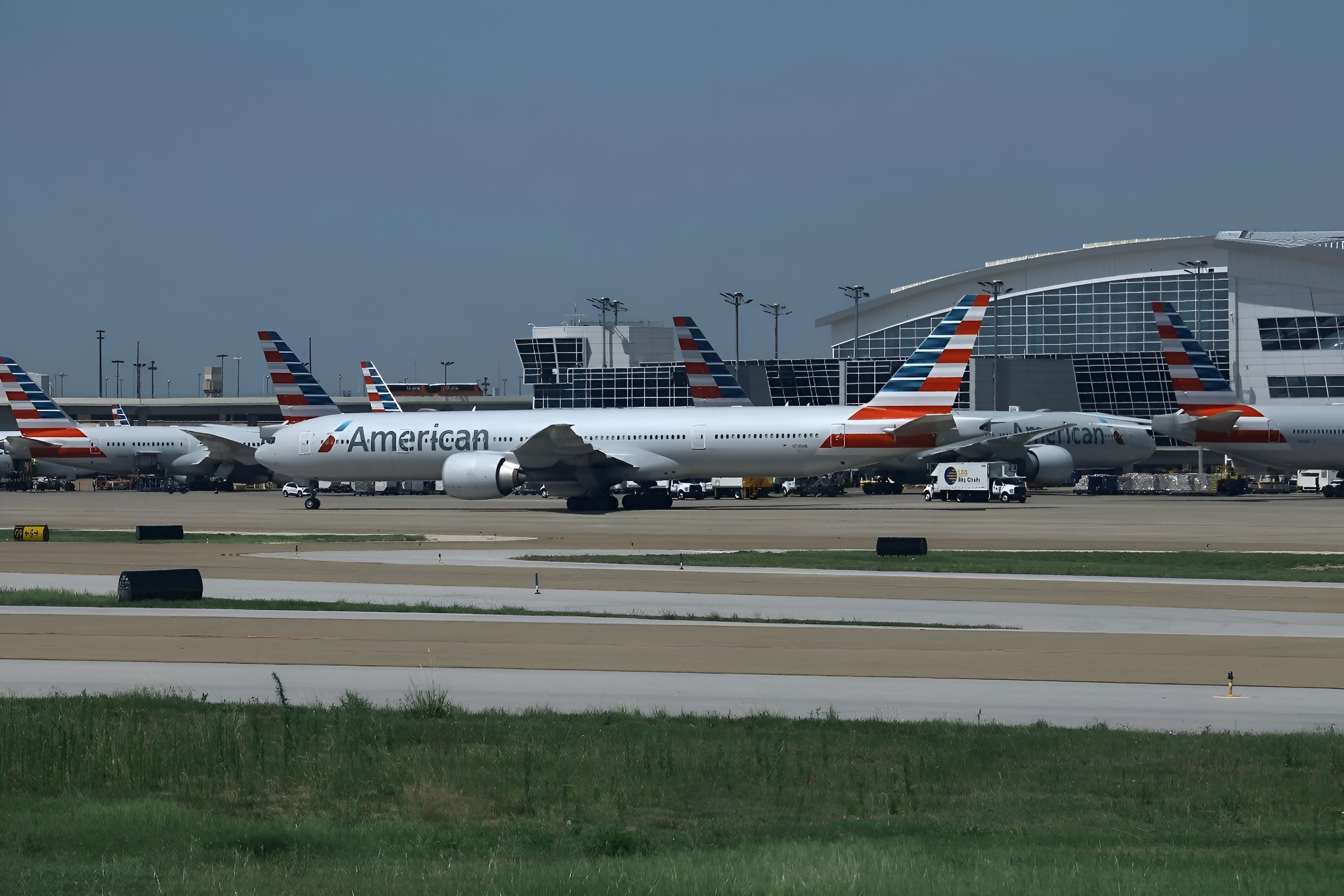
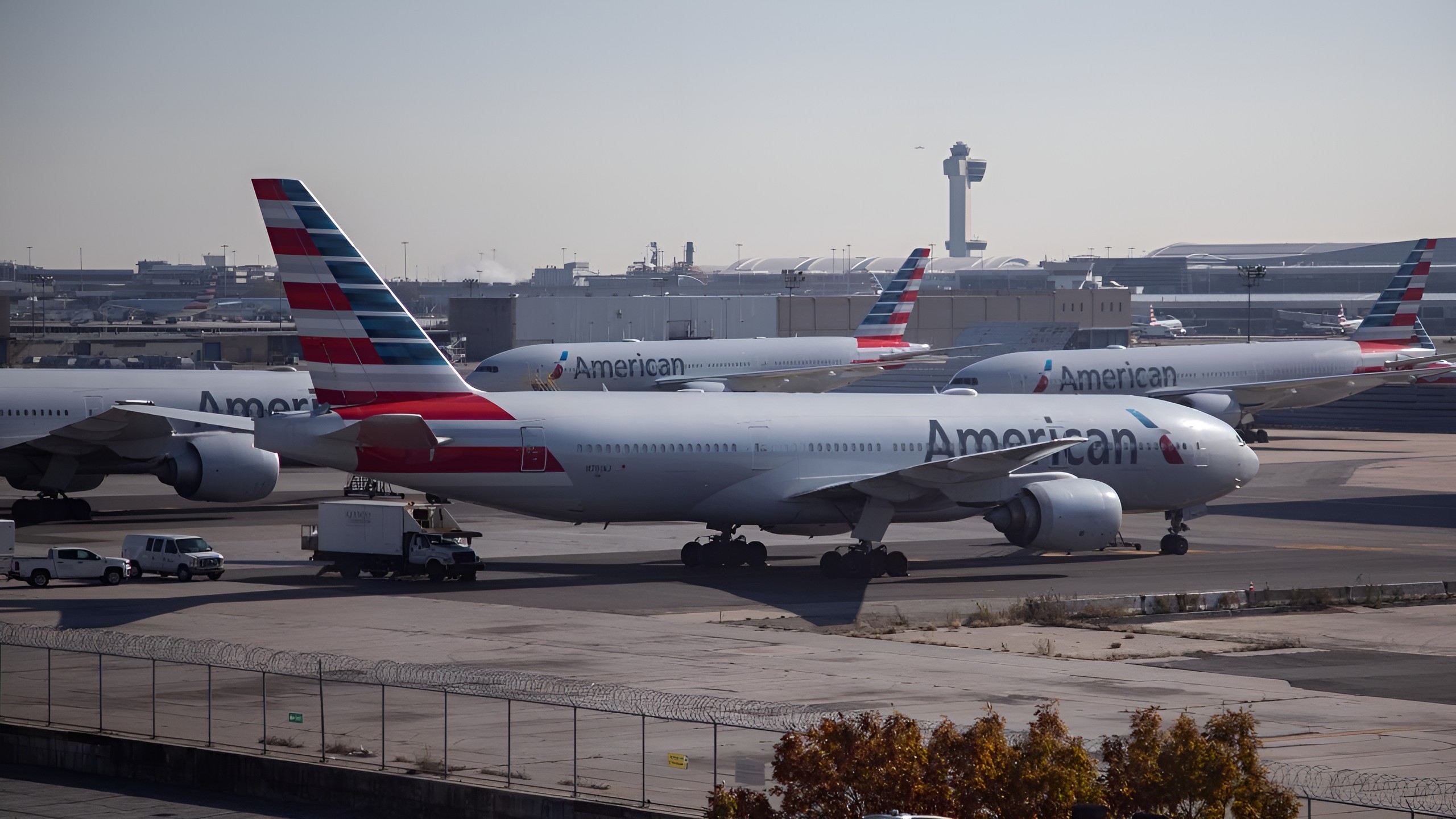
The disruption remained uneven across carriers. As of 8 a.m. Sunday, JetBlue had canceled 27% of its scheduled operation. American Airlines had canceled 368 flights, while Delta Air Lines and Southwest Airlines had each removed more than 170. United Airlines had canceled around 100.
American chief customer officer Heather Garboden described the event as among the most significant operational impacts American has experienced and warned customers Saturday evening to expect disruption throughout the weekend while the carrier reset its operation. Delta encouraged passengers with flexible plans to postpone travel until Monday.
FAA Administrator Bryan Bedford said Saturday that airline partners expected to regain full schedule integrity by the close of business Sunday. The nearly 1,600 cancellations already recorded Sunday morning showed how much work remained, although fewer than 30 Monday flights had been canceled at that point. The Sunday-evening target was an operational forecast, not a completed recovery.
Why a four-hour halt can disrupt several days
An airline schedule depends on more than reopening airspace. An aircraft that misses one flight may be unavailable for several later segments in other cities. Its assigned crew may also reach working-time limits or finish the day at the wrong airport. Replacement crews, gates, maintenance access and baggage handling must then be coordinated with the revised aircraft plan.
Airlines can cancel selected flights to move aircraft and crews back into position, but each cancellation creates another passenger-rebooking problem. Available seats on later flights become scarce while displaced travelers compete with passengers who were already booked. Recovery therefore involves several linked tasks: stabilizing the flight schedule, repositioning resources and reaccommodating customers. Improving one part in isolation can create constraints elsewhere.
The FAA’s initial investigation found that legacy network equipment became unstable as data flooded its telecommunications network at about 1,000 connection attempts every four to five seconds. Instability reached 17 of the agency’s 22 Air Route Traffic Control Centers and several terminal control facilities. Work involving a new router was underway at one of two locations identified as potential origins of the excessive traffic, but the FAA and network provider L3Harris were still investigating the root cause.
The agency said it found no indication of a cyberattack. It blocked the two locations associated with the inconsistent data, disabled a broadcasting function on the new routers and applied the same precaution to approximately 60 similar routers. The FAA also said it would reevaluate when this type of replacement and maintenance work is performed.
Refund rights do not cover every stranded-traveler cost
Passengers who choose not to travel after an airline cancels a flight are entitled to a refund regardless of the cause. The same applies when a passenger rejects travel after a significant schedule change or delay. Under Transportation Department refund rules, a significant delay includes an expected arrival at least three hours late on a domestic itinerary or six hours late on an international one.
The refund must go to the original form of payment rather than being offered only as a travel credit. Credit-card refunds are generally due within seven business days after the passenger rejects an alternative offer; other payment methods generally carry a 20-calendar-day deadline.
Hotels, meals and ground transportation are different. Because the initiating failure was outside airline control, carriers were considered unlikely to reimburse those expenses, although waivers gave many passengers additional flexibility to rebook. That leaves the network’s recovery measured in two ways: whether airlines can rebuild a dependable schedule by Sunday evening, and how many travelers must absorb the costs created while they do it.
| More aerospace and engineering stories, right in your MSN feed. Follow AMI on MSN |
By Thomas Caldwell — AMI’s senior editor for mechanical and mobility engineering, covering vehicle electronics, systems integration, electrification, chassis systems, propulsion, and safety policy.