FAA Restores Flights After Nationwide Ground Stop, 12,462 Cancellations
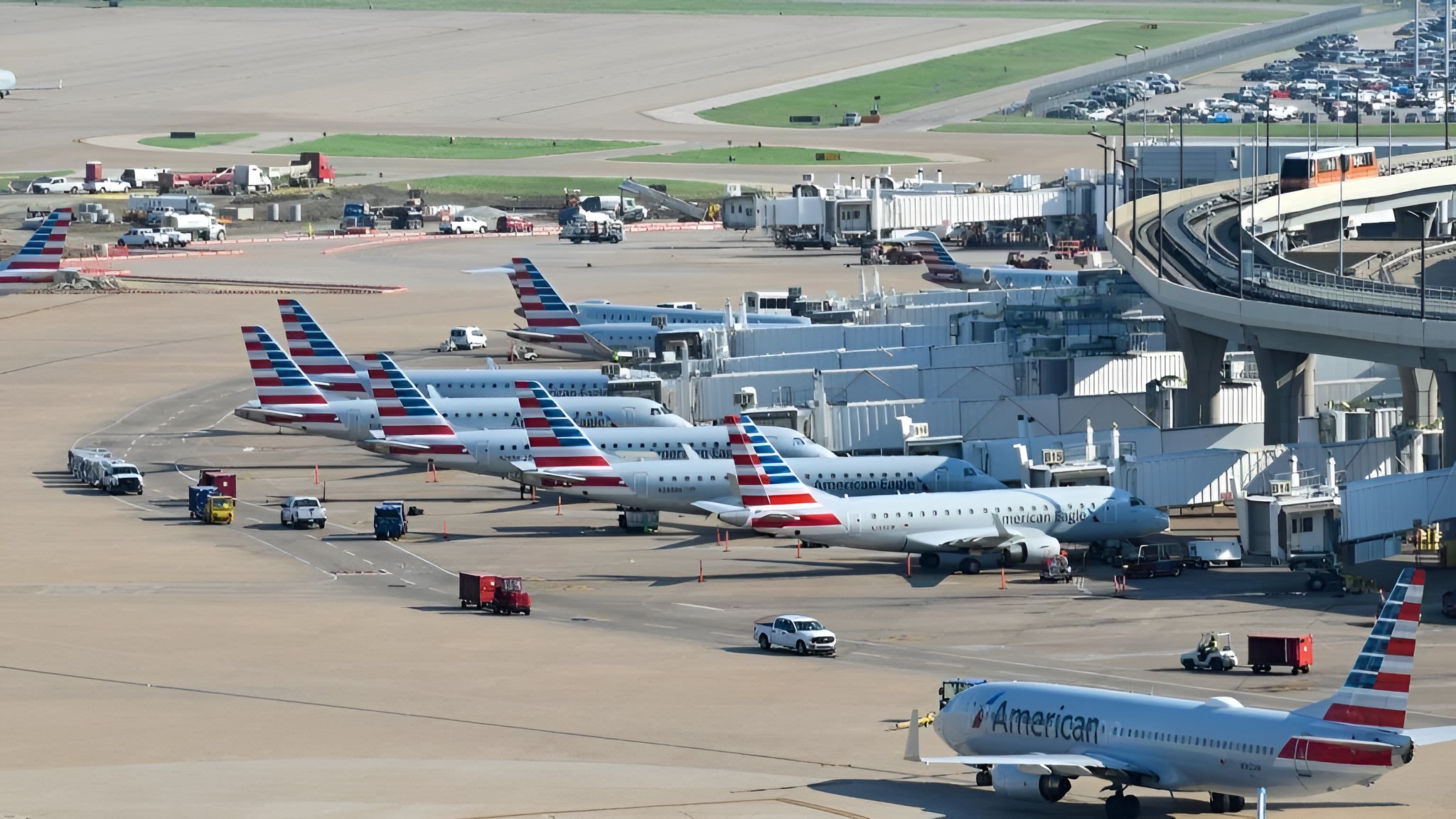
A communications failure reached across much of the U.S. air-traffic system on Friday, November 13, prompting the Federal Aviation Administration to stop departures nationwide. The agency later reported approximately 12,462 flight cancellations, including 9,082 by major airlines, although it said not every cancellation was directly caused by the ground stop.
The immediate restriction has ended. According to the FAA’s November 15 update, the technical problem began at approximately 3:30 p.m. Eastern Time, and air traffic resumed at 8:15 p.m. after technicians stabilized the system. The agency cautioned that the return to normal operations would be slow and steady as airlines repositioned aircraft and crews.
What investigators have found
The FAA’s initial investigation found that legacy equipment became unstable when data flooded its telecommunications network at a rate of 1,000 connection attempts every four to five seconds. That instability affected aircraft communications and radar feeds at 17 of the FAA’s 22 Air Route Traffic Control Centers, then spread into several facilities that manage traffic approaching and departing airports.
Investigators identified two potential originating locations: a radar site in Amarillo, Texas, and a radio communications site in El Dorado, Arkansas. Network service provider L3Harris had been working at the El Dorado site, including installing a new router. Blocking traffic from the two locations stabilized the network, according to the FAA.
The agency has not issued a final root-cause finding. The FAA and L3Harris continue to investigate why the excessive data entered the network and how the equipment interaction produced such broad instability. Officials said there was no indication of a cyberattack or another outside malicious actor.
As an immediate containment measure, the FAA disabled the implicated broadcasting function on the originating routers and approximately 60 similar routers elsewhere in the system. It also plans to reconsider when routine replacement and maintenance work is performed. Such work at major control facilities is generally scheduled at night, but the agency said remote-site replacements have routinely been completed during the day without affecting operations.
Why instability led to a nationwide stop
The event was not a complete loss of air-traffic communications. Some radio frequencies and radar feeds remained reliable, allowing controllers to communicate with and track aircraft already airborne. Approximately 3,500 aircraft landed safely during the restriction, while critical medical, law-enforcement and military flights continued.
The broader problem was confidence in the network’s stability across most of the centers responsible for managing high-altitude traffic between regions. Air-traffic control depends on predictable communications and surveillance information as aircraft move from one controller and facility to another. When instability affects 17 of 22 regional control centers, restricting only one airport or geographic area cannot adequately contain the operational uncertainty.
A ground stop addresses that problem by preventing additional departures from entering an already stressed system. It reduces demand while controllers land aircraft already in flight and technicians isolate the fault. The decision therefore reflects a safety-management response to degraded infrastructure, rather than evidence that all communications or radar coverage disappeared.
The operational cost continues after the underlying network is stabilized. Aircraft and crews displaced by several hours of halted departures may no longer be positioned for later flights. Crew-duty limits, gate availability and connecting itineraries can then propagate disruption into subsequent schedules. That helps explain why cancellations can continue after the FAA permits departures to resume.
Passenger consequences depend on who controlled the disruption
Travelers whose flights were canceled or significantly changed may reject alternative transportation and receive a refund, regardless of the cancellation’s cause. Meals, hotels and other assistance are different: the Transportation Department’s airline customer-service dashboard principally tracks commitments covering disruptions within an airline’s control, such as maintenance or crew problems. Assistance during an air-traffic-control disruption can therefore vary by carrier and circumstance.
The FAA says the telecommunications system is now stable and operations are returning to normal. The remaining engineering task is more consequential than restoring Friday’s traffic: investigators must determine why activity associated with two possible locations destabilized legacy infrastructure across most of the nation’s en-route control centers, then verify that disabling one router function is a durable remedy rather than only an effective containment step.
| More aerospace and engineering stories, right in your MSN feed. Follow AMI on MSN |
By Thomas Caldwell — AMI’s senior editor for mechanical and mobility engineering, covering vehicle electronics, systems integration, electrification, chassis systems, propulsion, and safety policy.