Toyota Recalls 62,000 Tundras Over Camshaft Breakage and Propulsion Loss
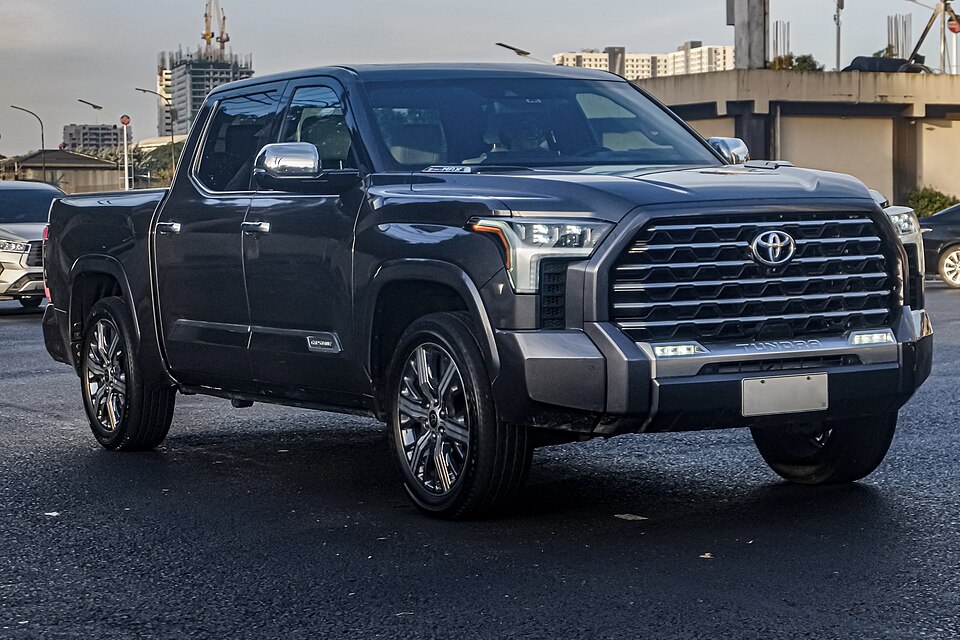
About 300 potentially defective camshafts are driving a recall of approximately 62,000 Toyota Tundra pickups in the United States. The wide campaign reflects a difficult manufacturing-control problem: Toyota knows the suspect components came from one supplier production lot, but determining which trucks received them requires vehicle-specific inspection rather than relying on model year alone.

Toyota announced the safety recall on November 13, 2026, because an incorrectly manufactured engine camshaft could break while the truck is moving. Toyota says that failure can cause loss of propulsion at higher speeds, increasing the risk of a crash.
Which Toyota Tundras are covered
The recall population includes certain non-hybrid Tundras from the 2022, 2023, 2025 and 2026 model years. Toyota’s announcement excludes hybrid Tundras and the 2024 model year, but those boundaries are not enough to determine whether an individual truck is included.
Owners need to check the vehicle identification number, or VIN. A truck from one of the listed model years is not automatically subject to the campaign, while visual inspection of the vehicle cannot establish whether it received a camshaft from the affected lot. Owners can use the Toyota and National Highway Traffic Safety Administration lookup options linked from Toyota’s recall notice.
Toyota plans to notify known owners by mid-January 2027. Dealers will inspect the camshaft to determine whether it may have come from the specified supplier lot. If so, the dealer will replace it at no charge. Toyota customer support is also available at 800-331-4331.
Why 300 components can produce a 62,000-truck recall
A camshaft controls the timing of an engine’s valves as the engine turns. Its operation must remain synchronized with other rotating components for the engine to function normally. Toyota’s identified hazard is direct: if the incorrectly manufactured shaft snaps during driving, the truck can lose motive power.
The estimated 300 suspect camshafts represent less than one-half of one percent of the approximately 62,000 trucks in the campaign population. That does not mean 62,000 engines contain defective parts or have failed. It means the potentially affected components may be dispersed through a much larger production group, requiring Toyota to bring in every truck that could plausibly contain one.
This is a common systems-level challenge in supplier-lot containment. A narrow component defect can create a much broader inspection population when production and installation records cannot isolate every suspect part with sufficient certainty. The remedy therefore separates identification from replacement: dealers first inspect the component, then replace it only if it may trace to the affected lot.
This is separate from the earlier Tundra engine recalls
The new campaign should not be merged with previous Tundra recalls involving machining debris and possible damage to the No. 1 main bearing. Toyota’s May 2026 announcement for that issue covered approximately 44,000 non-hybrid 2024 Tundras and followed related recalls announced in May 2024 and November 2025.
The two problems involve different components, manufacturing concerns and recall populations. The earlier campaigns addressed debris that could damage a main bearing. The November 2026 campaign addresses camshafts from a specific supplier production lot that may break. The model-year split reinforces the distinction: the new announcement covers certain 2022, 2023, 2025 and 2026 non-hybrid trucks, while excluding the 2024 trucks covered by the May 2026 main-bearing announcement.
An owner who completed an earlier Tundra engine recall may therefore still have action to take under this campaign. The decisive identifier is the truck’s VIN, followed by the dealer inspection not its appearance, model year by itself or its history under another recall.
| More aerospace and engineering stories, right in your MSN feed. Follow AMI on MSN |
By Thomas Caldwell — AMI’s senior editor for mechanical and mobility engineering, covering vehicle electronics, systems integration, electrification, chassis systems, propulsion, and safety policy.