California Bars Waymo Driverless Cars From Freeways After Work-Zone Incursions
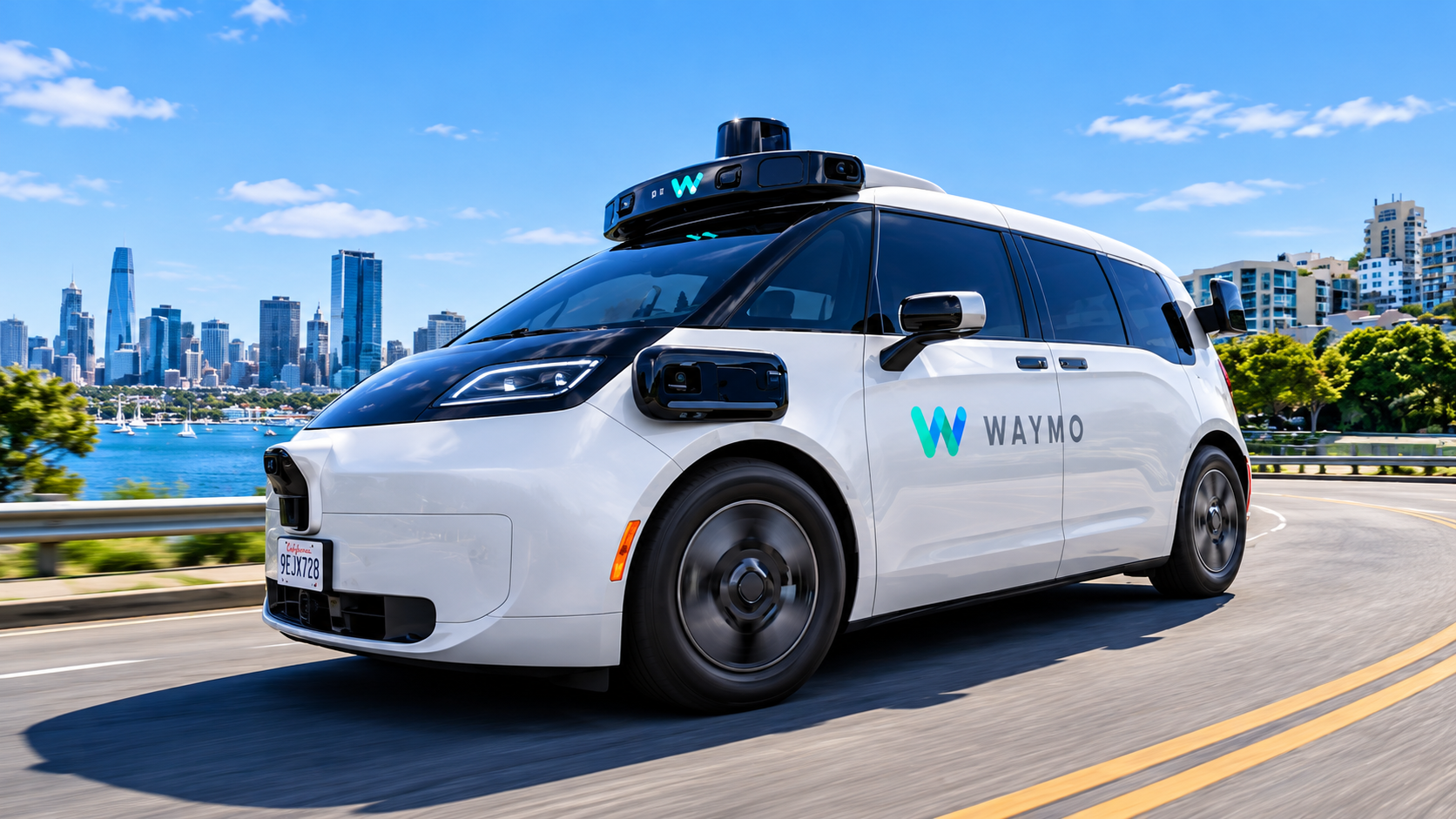
Waymo’s driverless cars can follow ordinary freeway traffic, but California has restricted them from those roads after recurring entries into areas where ordinary traffic patterns had been suspended. The California Department of Motor Vehicles’ restriction, issued November 11, applies until Waymo takes corrective action and demonstrates that its vehicles can respond safely to construction zones, emergency vehicles and other unusual roadway conditions.
The state cited two recent events. One Waymo vehicle attempted to pass California Highway Patrol vehicles forming a blockade on Interstate 280 in the Bay Area. In another event, three Waymo vehicles entered an active Highway 101 construction zone near Burlingame, where workers, vehicles and equipment were present. Waymo said neither event caused a collision or injury, but the DMV determined that the recurring incursions created an imminent public-safety hazard.
The restriction is narrow but consequential. It stops driverless operation and testing on California freeways rather than shutting down Waymo’s ride-hailing service. Passengers can still travel on surface streets, and Waymo can continue freeway testing with autonomous-vehicle specialists behind the wheel. The company has also temporarily restricted freeway operations in its other markets while it evaluates performance.
Temporary road layouts test more than routine lane keeping
Construction zones and emergency blockades present an unusually demanding systems problem because the temporary road configuration can conflict with the permanent one. Lane markings may be redirected, access points may be closed and vehicles may be required to obey cones, barricades, signs or human instructions that supersede the usual traffic flow.
An autonomous-driving system therefore has to do more than detect objects. It must determine that a temporary control arrangement is authoritative, understand which space is closed and select a safe response early enough for the vehicle’s steering and braking systems to carry it out. A technically smooth trajectory is still the wrong result if it carries the car past an emergency blockade or into a work area.
The California order places the burden on the complete sensing and control chain. Waymo must provide sufficient evidence that its vehicles can detect the relevant conditions, classify them correctly and respond without entering the restricted area. That requirement covers perception, decision-making and actuation as one operational system rather than treating object recognition alone as proof of safe behavior.
Work zones also expose a difficult boundary between repeatable infrastructure and irregular human activity. The Occupational Safety and Health Administration notes that road workers face hazards both from outside traffic and from vehicles and equipment moving within work zones. Once a driverless car crosses into that space, it adds another moving machine to an environment already containing workers on foot, heavy equipment and limited visibility.
Earlier corrective measures raise the standard for reinstatement
Waymo had paused freeway operations in several cities, including San Francisco and Los Angeles, in May to improve how its autonomous-driving system handled construction zones. The DMV said the Highway 101 incursion occurred despite earlier restrictions and corrective measures introduced after similar events.
That history changes what regulators are likely to need from the next technical response. A revised software behavior or a limited internal test would address only part of the concern. The state’s stated condition is evidence that the corrective action is effective across construction zones, emergency vehicles and other roadway situations. The recurring nature of the problem makes consistency the central issue: the system must respond safely when temporary controls vary in layout and presentation.
The restriction also creates an access tradeoff for passengers. Freeways provide the direct high-speed links between many California destinations, so keeping service on surface streets preserves availability while removing an important route class. Trips that would normally use a freeway may require different routing until the restriction is lifted. California road users and construction crews, meanwhile, receive a clear operating boundary while the system is reassessed.
Waymo says safety is foundational to its work and that it is working with California officials to restore freeway operations. The absence of injuries or collisions remains important, but the DMV acted on exposure to a hazardous area rather than waiting for an impact. No timetable has been given for reinstatement. Freeway access now depends on Waymo showing that its vehicles can recognize when the familiar road has temporarily ceased to be the road they are permitted to follow.
| More aerospace and engineering stories, right in your MSN feed. Follow AMI on MSN |
By Jonathan Barrett — Editor for AMI’s future mobility and autonomous systems section, with two decades covering robotics, e-mobility, drone-vehicle convergence, and transport mechanical systems.