FAA Seeks $50.1 Billion as Congress Demands a Clearer Modernization Plan
The Federal Aviation Administration is seeking $50.1 billion from Congress to replace aging aviation networks, software and facilities. The request follows a nationwide ground stop, but it also confronts a basic oversight problem: lawmakers want a clearer technical roadmap and an accounting of previously approved money before committing tens of billions more.

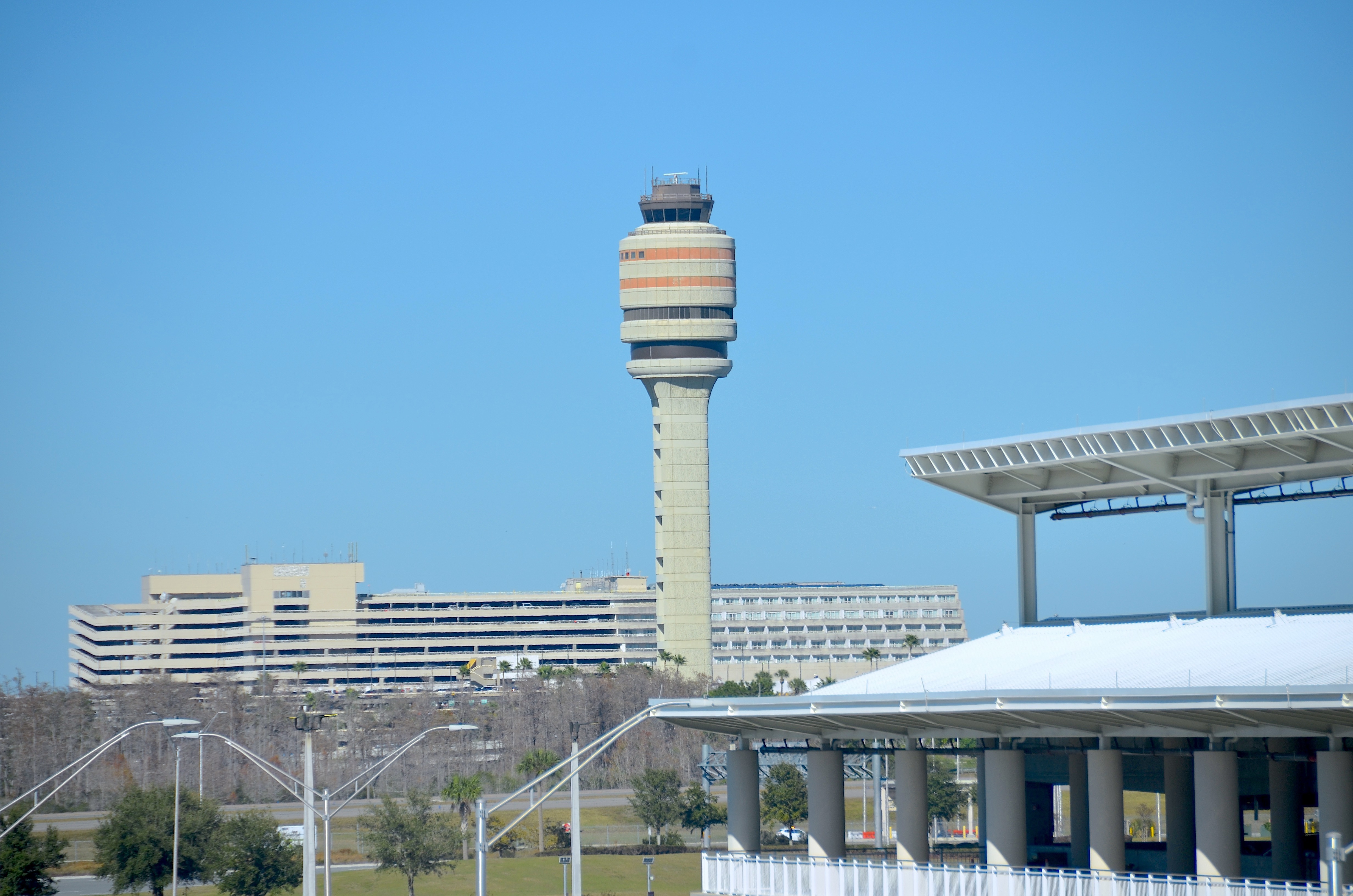
The updated request, sent to congressional appropriators on November 17, 2026, divides the money into five major portions. It calls for $10.1 billion for digital air-traffic-control architecture, including telecommunications and aircraft-separation tools; $10 billion for airport infrastructure; $10 billion for airport terminals; $10 billion for five consolidated air-route traffic control centers; and $10 billion to improve or replace as many as 140 control towers.
The scale of that proposal reflects how many layers must work together in the National Airspace System. Controllers depend on communications links, surveillance feeds, automation, workstations and traffic-management software operating as an integrated system. Towers, regional facilities and en-route centers cannot be modernized as isolated equipment purchases because their interfaces, data formats, fallback procedures and deployment schedules affect one another.
The funding totals describe different work
One source of the dispute is that the figures cited by the administration and lawmakers do not necessarily represent interchangeable pots of money. Rep. Rosa DeLauro said Congress had provided nearly $20 billion for upgrades through three bills and that the FAA had obligated only a few billion dollars. Transportation Secretary Sean Duffy said $12.5 billion was accounted for and would be deployed by the end of 2028.
Obligation, allocation and field deployment are different stages of federal spending. Money can be assigned to an approved workstream without yet being obligated through a contract, and contracted equipment may take years to manufacture, test, install and place into operational service. Duffy also said congressional restrictions prevent the agency from shifting existing funds into a new network or new aircraft-separation software.
That explanation supports the case that previously approved funding may not cover the work in the new request. It does not eliminate the need for Congress to see, by project, how much is available, obligated and scheduled for deployment. Without that crosswalk, lawmakers cannot readily distinguish a genuine funding gap from work that is already financed but still moving through acquisition and installation.
A roadmap is a safety and integration tool
A September Government Accountability Office assessment found that the FAA was making modernization progress but lacked adequate project planning. It warned that pursuing delivery speed without sufficient planning could produce cost uncertainty, operational disruption and continued dependence on failure-prone legacy equipment. The FAA disagreed with that assessment in its response.
For a safety-critical system, a modernization plan must do more than list buildings and equipment. It needs to define the target architecture, the sequence for retiring legacy components, the interfaces between old and new systems, operational testing, controller training and fallback capability during each transition. Accelerating one component can create integration risk if connected facilities or software are not ready at the same time.
The issue is particularly important because modernization is already a long-running process rather than a clean-sheet replacement. The FAA’s Next Generation Air Transportation System program has introduced satellite-based surveillance, digital controller-pilot communications and newer traffic-management tools over many years. The new proposal therefore has to explain how another architecture, new facilities and existing operational systems will coexist while air traffic continues around the clock.
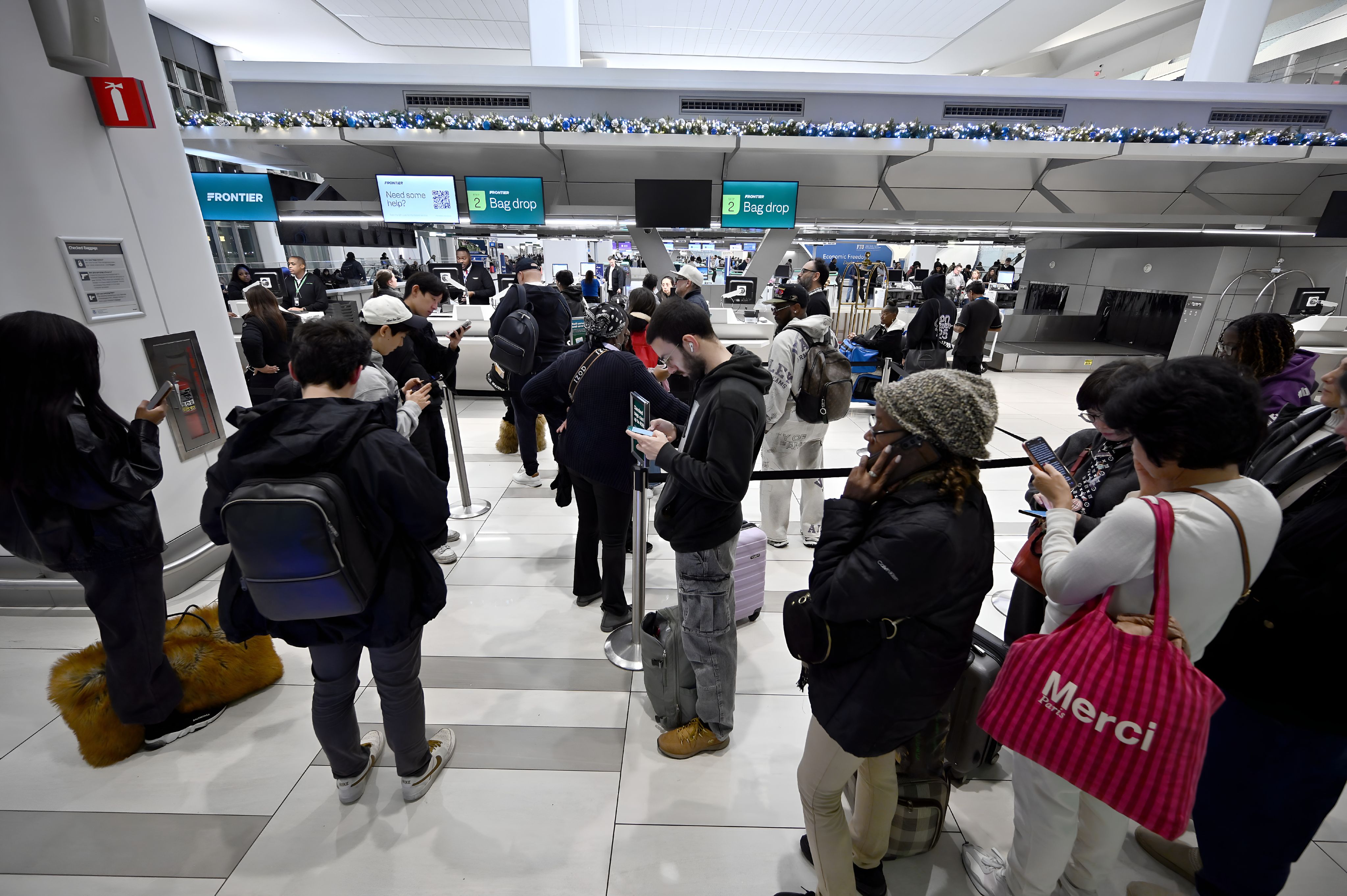
The November 13 ground stop made the consequences of weak infrastructure visible. According to the FAA’s incident account, legacy equipment became unstable as excessive connection attempts flooded its telecommunications network, disrupting aircraft communications and radar feeds. Instability reached 17 of 22 air-route traffic control centers, and the agency stopped departures nationally while approximately 3,500 airborne aircraft landed safely. Operations resumed that evening after the network stabilized.
The initial $30.1 billion request had been sent one day before that disruption, and officials subsequently raised it to $50.1 billion. The timing does not establish that the ground stop drove the additional $20 billion, although the updated letter cited the incident as evidence of urgency.
Air travelers bear the delay and disruption risk when aging systems fail, while taxpayers bear the cost and execution risk of replacement. Congress now has to judge both sides together. A credible plan would identify which earlier appropriations are legally unavailable for the newly proposed work, connect each new funding category to a deployment schedule and show how the FAA will replace critical systems without creating new transition hazards. The next decision is therefore larger than whether modernization is necessary: it is whether the FAA has defined a sufficiently integrated path for spending $50.1 billion safely and accountably.
| More aerospace and engineering stories, right in your MSN feed. Follow AMI on MSN |
By Thomas Caldwell — AMI’s senior editor for mechanical and mobility engineering, covering vehicle electronics, systems integration, electrification, chassis systems, propulsion, and safety policy.