F-47 Gets $5 Billion as Senate Pushes Back on Helicopter Cuts
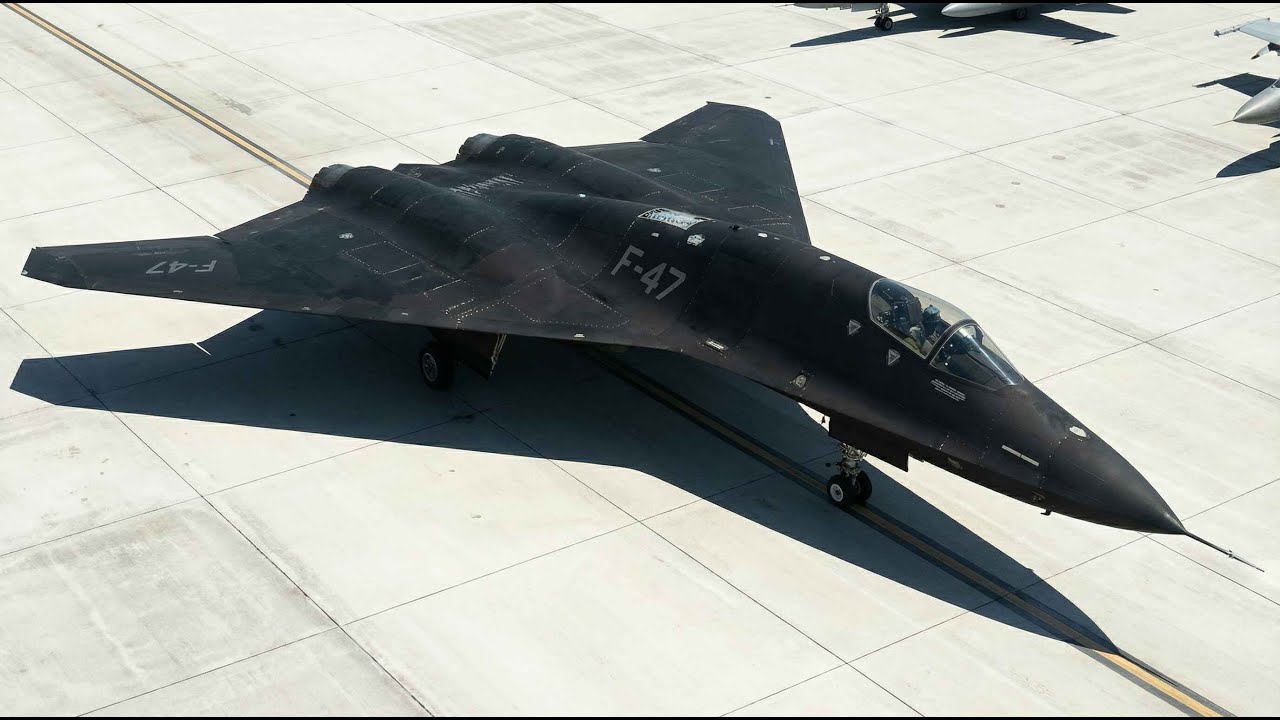
Congress is beginning to rewrite the sharp aircraft tradeoffs in the proposed fiscal 2027 defense budget. Senate appropriators have recommended raising Chinook helicopter funding to $570.6 million, $360 million above the administration’s $210.6 million request. The move would reverse much of one Army rotorcraft reduction, but it does not erase the proposal’s central contrast: approximately $5 billion for F-47 fighter development while Apache procurement falls from $361.7 million to $1.5 million.
The Senate committee’s Chinook increase is a proposal, not enacted funding. Its roughly $1.1 trillion defense spending bill still must clear the Senate and be reconciled with House legislation. The administration originally sought about $1.45 trillion for the Defense Department $1.1 trillion in discretionary money and $350 billion in mandatory funding according to the Congressional Research Service’s fiscal 2027 weapons review.
The F-47 and Apache figures buy different things
The F-47 request is approximately $5.04 billion in research, development, testing and evaluation funding. It would advance the Air Force’s next-generation fighter rather than purchase operational aircraft from an established production line. The amount is about $1.5 billion above the fiscal 2026 level cited for the program.
The reported $1.5 million Apache figure applies specifically to procurement, making the 99.6% year-over-year decline unusually stark. A broader accounting of Apache development, spares and repair parts produces a much larger program total: CRS lists approximately $280 million across its selected categories. Comparing the two numbers therefore reveals where new acquisition money is moving, but it is not a direct comparison between complete program costs.
Nor would a nearly empty procurement account immediately ground the Apache fleet. The Army still must maintain, train for and supply its installed aircraft. The Defense Logistics Agency also reported a nearly $4.7 billion order for new Apache builds awarded in late 2025, even as the Army prepares to divest an undetermined number of aging airframes. Existing contracts and sustainment work can continue after a later annual buying account contracts.
Congress is restoring selected helicopter spending
The proposed reductions extend across the Army’s established rotorcraft lines. Black Hawk procurement was slated to fall from $913 million to $39.3 million, while the administration requested roughly $210 million for Chinook after a previous level of $629 million. The Senate committee’s $570.6 million Chinook recommendation now brings that line much closer to its earlier funding level.
Senate appropriators also proposed $185 million for the Improved Turbine Engine Program, which received no money in the administration request. The engine effort is intended to improve power and fuel efficiency for Apache and Black Hawk helicopters. Separately, the House Appropriations Committee has proposed money the administration did not request for additional Black Hawks, along with funding for the E-7A Wedgetail radar aircraft and further development of the Navy’s next-generation fighter.
Those additions show why a budget request cannot be treated as a final production plan. Authorization legislation establishes policy and permissions, while appropriations provide the money. Differences between the House and Senate must still be resolved, and none of the committee recommendations becomes spendable simply because it appears in a bill.
Factories respond to durable orders, not one-year headlines
If enacted, steep helicopter reductions could disrupt supplier planning even without immediately stopping production. Rotorcraft assembly depends on specialized tooling, qualified vendors and experienced labor that cannot be transferred directly to a fighter or missile line. Backlogs, foreign sales, upgrades and maintenance work can soften a one-year federal decline, but unstable demand makes decisions about hiring and capital equipment more difficult.
The same constraint applies to the programs gaining money. The fiscal 2027 proposal concentrates substantial funding in missiles, military space and selected advanced aircraft. Yet manufacturers generally need appropriated funds, signed contracts and confidence in multiyear demand before expanding factories or qualifying additional suppliers.
The Senate plan illustrates how quickly the apparent winners and losers can change. It would restore $360 million to the Chinook line while leaving the broader F-47-versus-Apache divide unresolved. Until Congress passes a final spending law, the $5 billion fighter request and $1.5 million Apache procurement line remain a proposed destination not the fiscal 2027 endpoint.
| More aerospace and engineering stories, right in your MSN feed. Follow AMI on MSN |
By David Whitaker — Associate editor for AMI’s aerospace and drone systems desk, translating flight systems, aircraft programs, spaceflight, and UAV developments into accessible technical stories.