FCC Blocks New Foreign Robots but Spares Previously Cleared Models
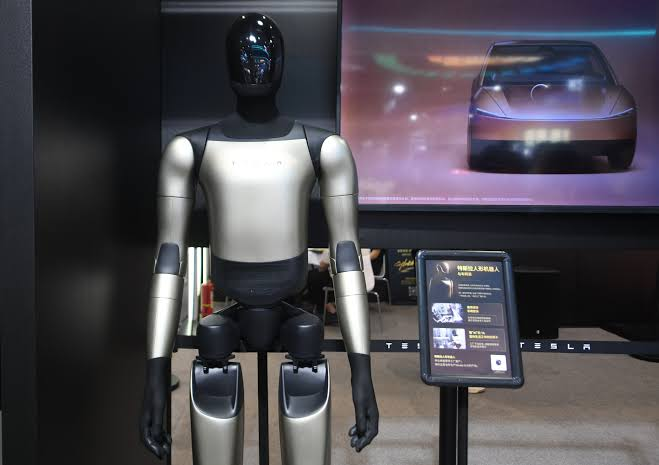
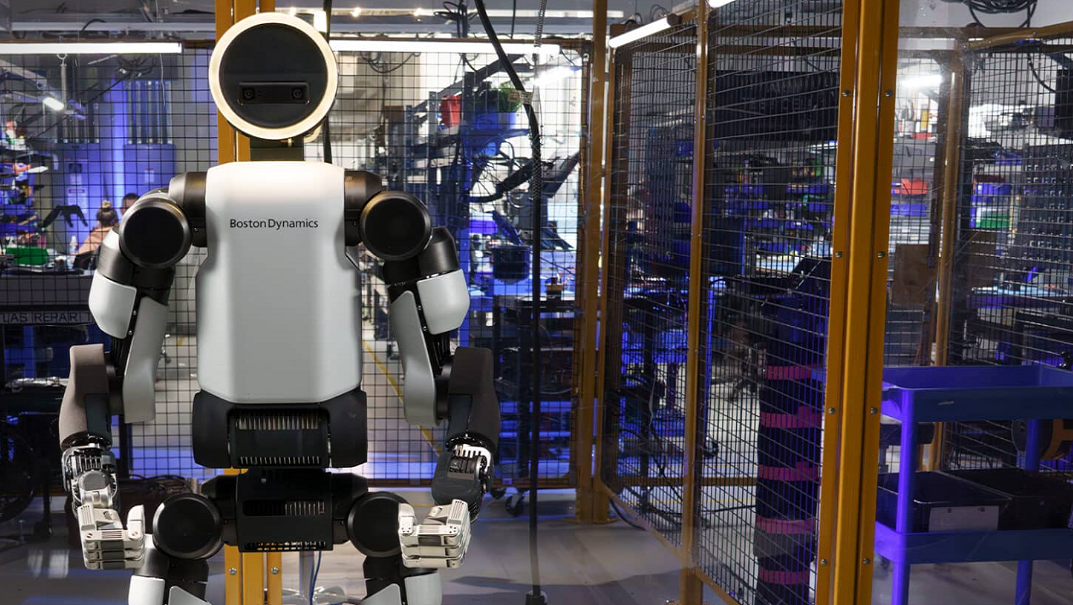
A newly introduced foreign robot can now be shut out of the United States while an outwardly similar model already cleared for sale remains available. That split follows the Federal Communications Commission’s July 28 decision to place foreign-produced advanced mobile robots on its Covered List, blocking new models from obtaining the equipment authorization generally required for import, marketing and sale.
The restriction is prospective rather than a removal order. According to the FCC’s implementation guidance, previously authorized models can still be imported, sold and used, while people and businesses may continue operating robots they lawfully purchased. The action therefore closes a route to market for many future products without prohibiting every foreign robot already working in an American laboratory, warehouse or home.
A communications rule reaches into physical automation
The regulatory mechanism is important. This is not simply an import ban organized by brand or corporate nationality. Covered equipment cannot receive a new FCC authorization, and most connected electronic products need that approval before entering the U.S. commercial market. A product made abroad by an American company can be affected, while a qualifying domestic product made by a foreign-owned company can fall outside the restriction.
The FCC’s definition also reaches beyond humanoids and four-legged machines. A covered advanced robotic device must be mobile on the ground, operate remotely or in response to sensor data, and weigh more than 4.4 pounds when any ground or docking station is included. It must also combine environmental sensing, network connectivity of at least 200 kilobits per second and local or remote software controlling functions such as navigation, perception, data collection or remote commands.
That combination reflects how modern robots are engineered: sensing feeds control software, the controller directs electric actuation, and network links support supervision, updates or remote computing. The same architecture that makes a robot adaptable also places its communications hardware, software provenance and data paths inside the FCC’s security remit.
Several major categories are excluded. Connected road vehicles, rail-only machines, uncrewed aircraft, autonomous underwater vehicles, specified medical and mobility devices, and fixed industrial or medical robots are outside this particular definition. A stationary factory arm is therefore treated differently from a connected mobile platform carrying sensors through the same facility.
Authorization history now shapes product availability
For buyers, distributors and integrators, model-level authorization status matters more than a broad label such as “Chinese robot” or “foreign brand.” A model approved before July 28 can remain on the market, but a new derivative may need fresh authorization. The FCC has allowed qualifying software and firmware changes needed to preserve functionality, including security patches and operating-system compatibility updates, through at least January 1, 2029. That relief does not provide a general route for new hardware models.
This creates a practical divide between installed fleets and future product development. Existing users retain access to supportable equipment, avoiding an immediate forced replacement cost. New U.S. customers, however, may face fewer platform choices, while developers that use low-cost imported robots for research, integration or application testing could find that the next generation is unavailable commercially.
Foreign producers can seek Conditional Approval for a device or class of devices. The process asks for corporate, component, software and supply-chain information, along with a time-bound plan to establish or expand U.S. manufacturing. In engineering terms, market access is becoming tied not only to radio compliance but also to manufacturing location, bill-of-materials provenance and control over connected software.
China’s production scale makes the tradeoff immediate
The restriction is formally country-neutral, but China’s scale makes it central to the industrial consequences. Omdia figures cited in industry reporting put global humanoid shipments at about 15,000 in 2025, with Unitree and AGIBOT each supplying more than 5,000. Tesla and Figure AI reportedly shipped only a few hundred apiece. CNN has estimated that China has more than 140 robot manufacturers and roughly 90% of the global market.
Those figures indicate why exclusion and domestic capacity are not equivalent. Restricting new foreign models can reduce exposure to supply-chain and cybersecurity risks identified by the interagency national-security review. It can also give U.S. producers more room to scale. But it does not automatically reproduce the supplier networks, actuator production, sensing hardware, manufacturing experience or unit volumes behind China’s lead.
The cross-border design base is already intertwined. Nvidia unveiled a humanoid reference design using a Unitree chassis in June and agreed to collaborate with the company on research and development. That example shows how a restriction based on production origin can affect American software, computing and robotics work even when the finished platform carries a foreign brand.
The decisive boundary is therefore not whether foreign robots disappear from the United States; they do not. It is whether future models can qualify as domestic products, secure Conditional Approval or remain outside the technical definition. Until those paths are tested, U.S. robotics will operate as a two-tier market: previously cleared machines can continue circulating, while each new foreign mobile robot faces a substantially higher gate.
By Jonathan Barrett — Editor for AMI’s future mobility and autonomous systems section, with two decades covering robotics, e-mobility, drone-vehicle convergence, and transport mechanical systems.