Ford Plans U.S. Lincoln Production After China Imports Face 52.5% Tariff
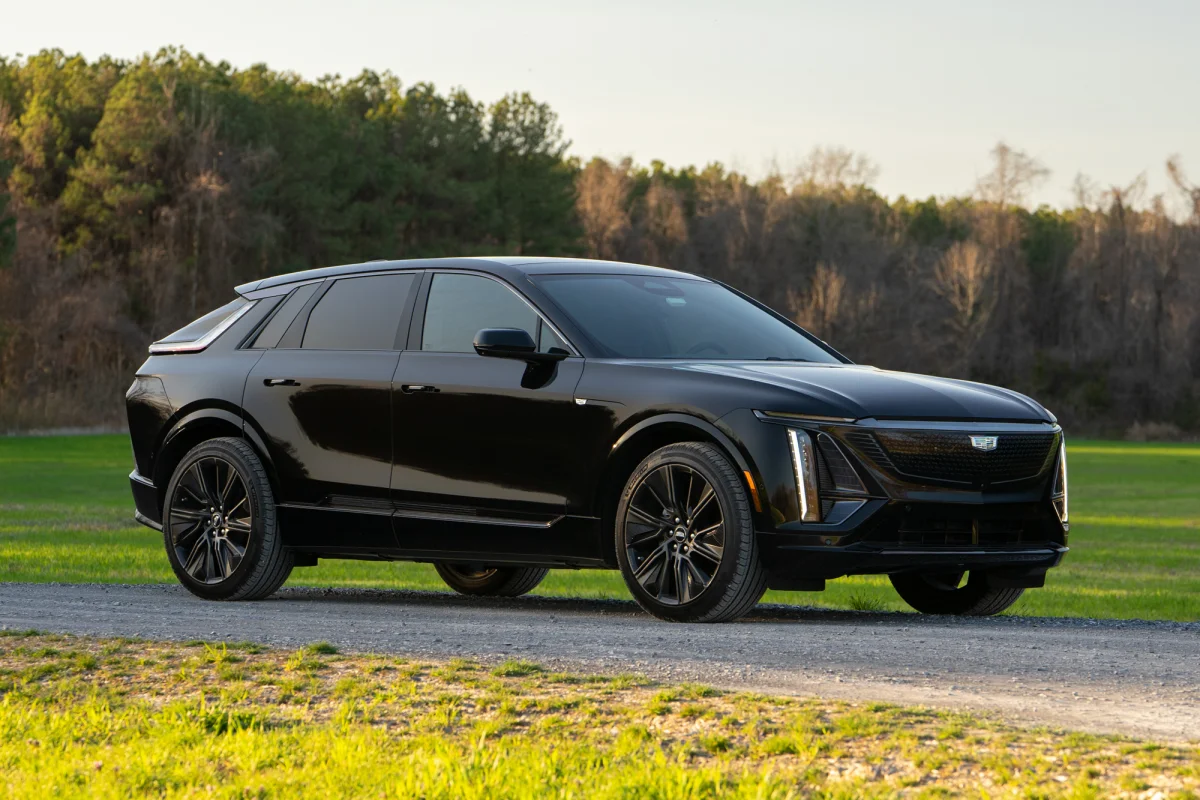
Ford’s production calculus now carries a sharp contradiction: Import policy is making U.S. factories more attractive while simultaneously adding heavily to the automaker’s costs. Ford plans to move production of some Lincoln vehicles from China to the United States beginning in 2030, as its China-built Nautilus faces a reported 52.5% import tariff. Yet Ford also expects tariffs to impose a net cost of about $1 billion in 2026.
CEO Jim Farley identified tariffs as the main driver of the planned shift, with restrictions on certain Chinese connected-vehicle technology also influencing the decision. Ford intends to phase out Lincoln imports from China for U.S. customers, according to details of the company’s plan. It has not named the Lincoln models that will be built domestically, selected receiving plants, disclosed an investment amount or provided an exact employment total.
Tariffs change the factory-location equation
A 52.5% duty is more than a marginal logistics expense. It changes the cost comparison among importing a completed vehicle, adapting an existing U.S. assembly plant and installing a new domestic production line. The tariff does not automatically make U.S. manufacturing cheaper in absolute terms, but it can erase much of the cost advantage that justified overseas sourcing.
That distinction matters because vehicle production cannot be transferred simply by changing a shipping route. A U.S. assignment could require tooling, supplier qualification, workforce preparation, quality validation and integration into Ford’s domestic logistics network. The scale of those requirements depends on the still-undisclosed model and plant. Without those details, the plan establishes a sourcing direction rather than a fully defined manufacturing program.
The broader tariff structure adds another layer. A 25% duty was imposed on imported automobiles and certain parts beginning in 2025, subject to rules and exceptions covering some North American content. A vehicle assembled domestically can therefore avoid the completed-vehicle duty while retaining exposure to tariffs on imported components. Ford’s expected $1 billion net tariff cost in 2026 shows why domestic assembly and lower companywide tariff expense are not the same outcome.
Connected-vehicle rules affect architecture as well as geography
The U.S. Connected Vehicle Rule restricts the import and sale of vehicles using certain connected-vehicle technology linked to China. That reaches beyond the physical location of final assembly because modern vehicles combine communications hardware, software, data links and driver-assistance functions into an integrated electronic architecture.
Changing the assembly country does not by itself settle compliance. Ford must also control where covered hardware and software originate, how they are integrated and whether the resulting vehicle meets U.S. requirements. The policy therefore pushes manufacturers to examine both factory sourcing and the technology supply chain. For a future Lincoln program, compliance planning could affect supplier selection and engineering validation well before production starts in 2030.
The existing U.S. Lincoln footprint gives Ford potential manufacturing experience but does not reveal where the new work will go. The Navigator is assembled in Louisville, Kentucky, and the Aviator at Ford’s Chicago Assembly Plant. Ford assembled more than 2 million vehicles in the United States in 2025 and employs approximately 56,300 hourly manufacturing workers, providing a substantial domestic base from which to evaluate added capacity.
Jobs remain a forecast, not a confirmed count
Ford expects its expanded Lincoln production to support thousands of direct and indirect jobs. Commerce Secretary Howard Lutnick described “thousands and thousands” of jobs as returning because of auto tariffs. Neither statement is a precise employment commitment for this project, however. Direct assembly positions, supplier employment and indirect economic activity are different categories, and Ford has not published a plant-level hiring plan.
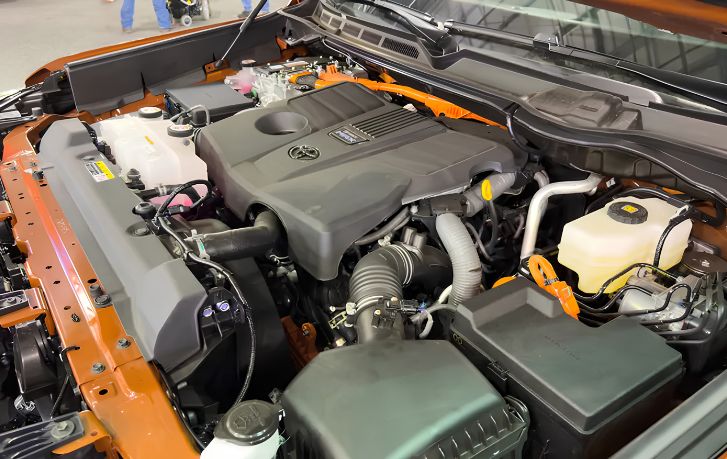
Toyota’s separately announced $3.6 billion San Antonio expansion illustrates the size of a fully specified manufacturing commitment: a second assembly line, 2.5 million additional square feet and about 2,000 expected jobs by 2030. Toyota plans to move some Tacoma production from Baja California to San Antonio while continuing production in Guanajuato, Mexico. But Toyota did not directly attribute that project to tariffs, so it cannot be treated as proof of the same policy effect driving Ford’s decision.
For U.S. buyers, the tradeoff is similarly unresolved. Duties can encourage local production and employment, but they also increase costs on imported vehicles and components. Ford’s next meaningful milestone will be assigning the Lincoln models and plants, then disclosing investment and employment expectations. Until those decisions are made, the 2030 plan demonstrates a clear policy-driven change in sourcing but not yet its final cost, capacity or job impact.
By Thomas Caldwell — AMI’s senior editor for mechanical and mobility engineering, covering vehicle electronics, systems integration, electrification, chassis systems, propulsion, and safety policy.