USS Benfold Power Failure Left 300 Sailors Without Essential Services for Days
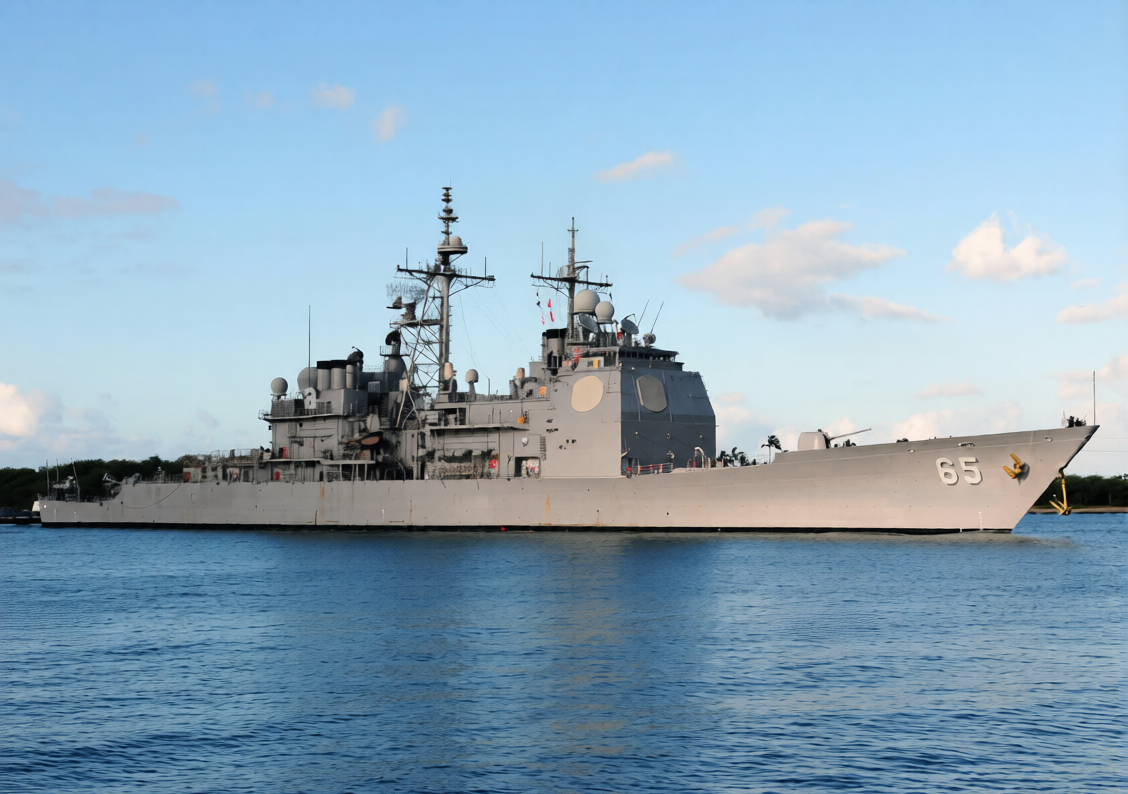
A generator-related engineering casualty aboard the guided-missile destroyer USS Benfold cut electrical power and essential services for about 300 sailors for four days. The July 24 failure affected drinking water, meal preparation, toilets and air conditioning, demonstrating how a shipboard power loss can quickly become both a crew-habitability problem and an operational outage.

The Navy said no sailors were injured. According to a U.S. 7th Fleet account provided to USNI News, Benfold “reported an engineering casualty involving its generators, causing a loss of power” while conducting routine operations in the Indo-Pacific.
The immediate consequence extended well beyond darkened compartments. Potable water, galley services, toilets and air conditioning all depend on electrical equipment somewhere in their operating chain. Once power was unavailable, the destroyer could no longer sustain normal living conditions for its crew or continue routine operations independently.
That distinction matters aboard a warship carrying hundreds of people. Electrical generation supports pumps, ventilation, refrigeration, food preparation, sanitation and other services that make the ship habitable. The confirmed effects aboard Benfold show the breadth of the outage, but they do not establish which components failed or why available generating capacity did not keep those services operating.
Outside assistance became necessary
The George Washington carrier strike group supported the disabled destroyer during the outage. The cruiser USS Robert Smalls supplied meals, providing one of the basic services Benfold’s own galley could no longer deliver.
Contractor tugboats then towed Benfold to Subic Bay in the Philippines, where it arrived July 28. Personnel from the Ship Repair Facility–Japan Regional Maintenance Center met the ship, and the crew began receiving contracted food and lodging ashore the following day.
Power was restored July 30, two days after the destroyer reached port. Repairs continued through Aug. 7, indicating that restoring electricity was not the final step before the ship could return to service. The Navy had to complete the required repair work and verify the condition of the ship’s broader systems before departure.
Benfold left Subic Bay on Aug. 8 “with all engineering, combat systems, and crew support systems functioning normally,” according to the Navy. That statement marks the operational endpoint of the casualty: power restored, repairs completed and the destroyer cleared to resume routine operations in the U.S. 7th Fleet.
The unanswered questions are technical
The Navy is investigating the cause, but the available account does not identify the failed generator components, explain the underlying failure or describe the repairs performed. It also does not explain why the casualty developed into a four-day shipwide power loss rather than a shorter interruption.
Those omissions prevent a firm judgment about the ship’s redundancy, maintenance history or failure sequence. A generator casualty can involve multiple possible components and system interactions, but assigning one here without an official finding would be speculation. The loss of several crew-support functions confirms the outage’s reach; it does not, by itself, identify its initiating fault.
The event nevertheless provides a concrete readiness measure. Benfold required meals from another warship, commercial towing, shore-based repair personnel and off-ship accommodation before it could return to normal operations. Every supporting asset and contracted service added a logistics requirement to what began as an onboard engineering problem.
The strongest next milestone is the Navy’s causal finding. Until that is released, the established record stops at a generator-related casualty, four days without power, a tow to the Philippines and an Aug. 8 return to service after engineering, combat and crew-support systems were checked and reported to be functioning normally.
| More aerospace and engineering stories, right in your MSN feed. Follow AMI on MSN |
By David Whitaker — Associate editor for AMI’s aerospace and drone systems desk, translating flight systems, aircraft programs, spaceflight, and UAV developments into accessible technical stories.