GM’s 2027 EVs Get Tesla-Style Ports but Still Need Two Adapters
General Motors is moving its 2027-model-year electric vehicles to built-in Tesla-style charging ports, but that does not mean owners can leave every adapter at home. The new inlet will simplify connection to compatible fast chargers, including Tesla Superchargers, while two other connector types remain widely installed across the United States.
GM expects all 2027 Cadillac, Chevrolet and GMC EVs to launch with native North American Charging Standard ports, according to the automaker’s charging compatibility update. That reverses the adapter requirement for many current GM EVs: instead of using a Combined Charging System port and attaching an adapter at a compatible Tesla-style fast charger, the vehicle will accept that charging cable directly.
The practical complication is that changing the vehicle inlet does not change the connectors already attached to thousands of existing chargers. GM says drivers of its NACS-equipped vehicles may need a NACS-to-CCS adapter at older CCS fast chargers. They may also need a J1772 adapter for Level 2 equipment commonly found at apartments, workplaces, hotels and parking facilities.
One native port shifts the adapter burden
Today, many CCS-equipped GM EVs can use compatible NACS fast chargers through a GM-approved DC adapter with a stated manufacturer’s suggested retail price of $225. Native NACS integration removes that particular piece of hardware from the connection to compatible NACS chargers, reducing the number of interfaces involved during a road-trip charging stop.
For 2027 vehicles, however, the direction of adaptation changes rather than disappearing. A driver visiting a CCS fast charger will need hardware that connects the station’s CCS cable to the vehicle’s NACS inlet. At many Level 2 locations, a separate J1772 adapter will bridge the AC charging cable to the same inlet. These are distinct use cases because CCS is associated here with DC fast charging, while J1772 remains common for slower AC charging.
NACS packages AC and DC charging contacts into a relatively compact connector. CCS uses a larger combination design with additional pins for DC charging. SAE’s J3400 standard gives the Tesla-originated connector a formal industry framework, supporting its adoption beyond Tesla vehicles and chargers. Ford announced a Supercharger access agreement in 2023, followed by GM and several other automakers announcing plans to adopt the connector.
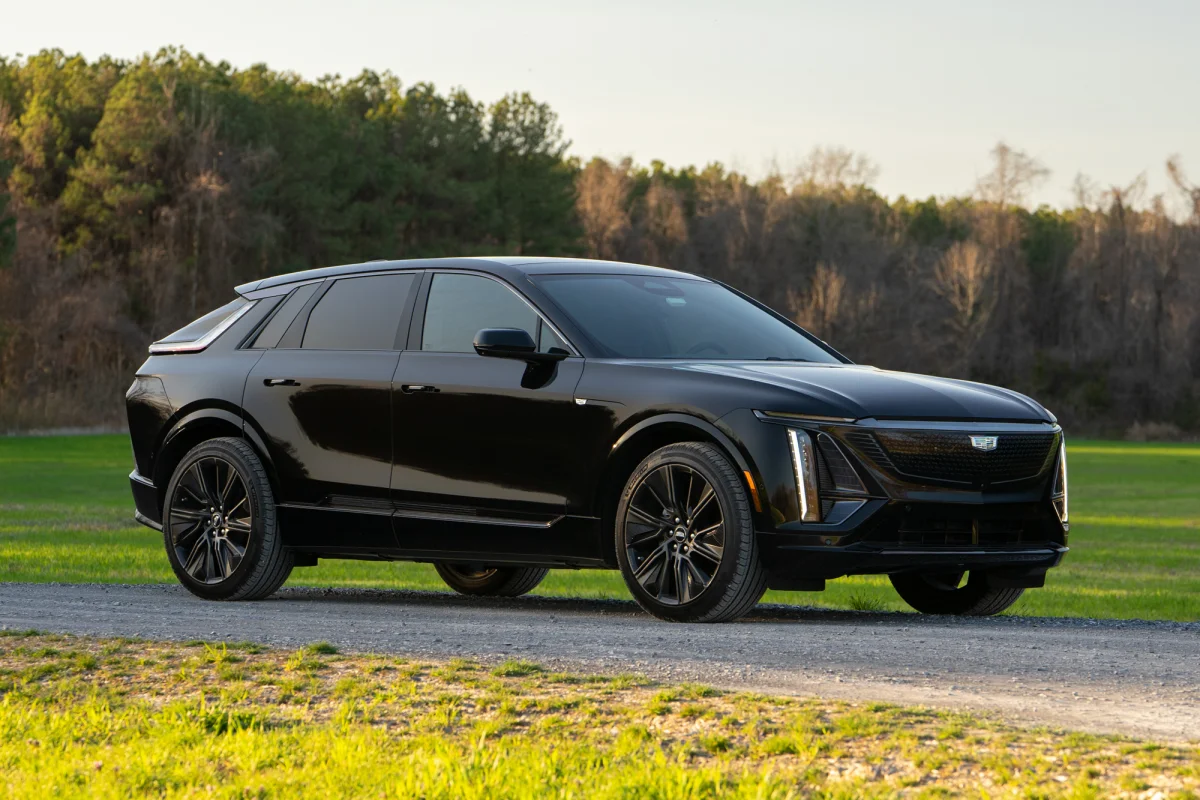
The vehicles identified for GM’s transition include the Cadillac Escalade IQ, Lyriq, Optiq and Vistiq; Chevrolet Bolt, Blazer EV, Equinox EV and Silverado EV; and GMC Sierra EV and Hummer EV models. The 2026 Cadillac Optiq and the Chevrolet Bolt, sold as a 2027 model, have already moved to native NACS connections. A native port still does not imply access to every charger carrying a similar-looking cable; network participation and vehicle compatibility remain separate requirements.
Connector compatibility is only one layer
A successful charging session also depends on station availability, communications, authentication and payment. GM is addressing those software and account layers through Energy Pass, which is built into the MyChevrolet, MyCadillac and MyGMC apps. It is designed to consolidate access, account setup and billing across participating networks rather than make every charger universally compatible.
GM says Energy Pass currently supports Tesla Supercharger, IONNA, Electrify America and ChargePoint, with EVgo planned for later. The automaker says that network mix covers nearly 70% of U.S. DC fast chargers. At compatible locations, Plug & Charge can allow the vehicle to authenticate and handle payment after initial enrollment, but that capability applies only where the vehicle, charger and participating network support it.
For buyers, the 2027 redesign should make compatible Tesla-style fast charging more direct and reduce reliance on the adapter now carried by many GM owners. Yet the installed charging network will remain mixed for years: native NACS addresses the vehicle-side connector, while CCS fast chargers, J1772 Level 2 stations and network-specific access systems preserve the need for additional hardware and software interoperability.
| More aerospace and engineering stories, right in your MSN feed. Follow AMI on MSN |
By Thomas Caldwell — AMI’s senior editor for mechanical and mobility engineering, covering vehicle electronics, systems integration, electrification, chassis systems, propulsion, and safety policy.