Ram 1500 Has Six Software Recalls, 22 Engine Reflashes, No Engine Recall
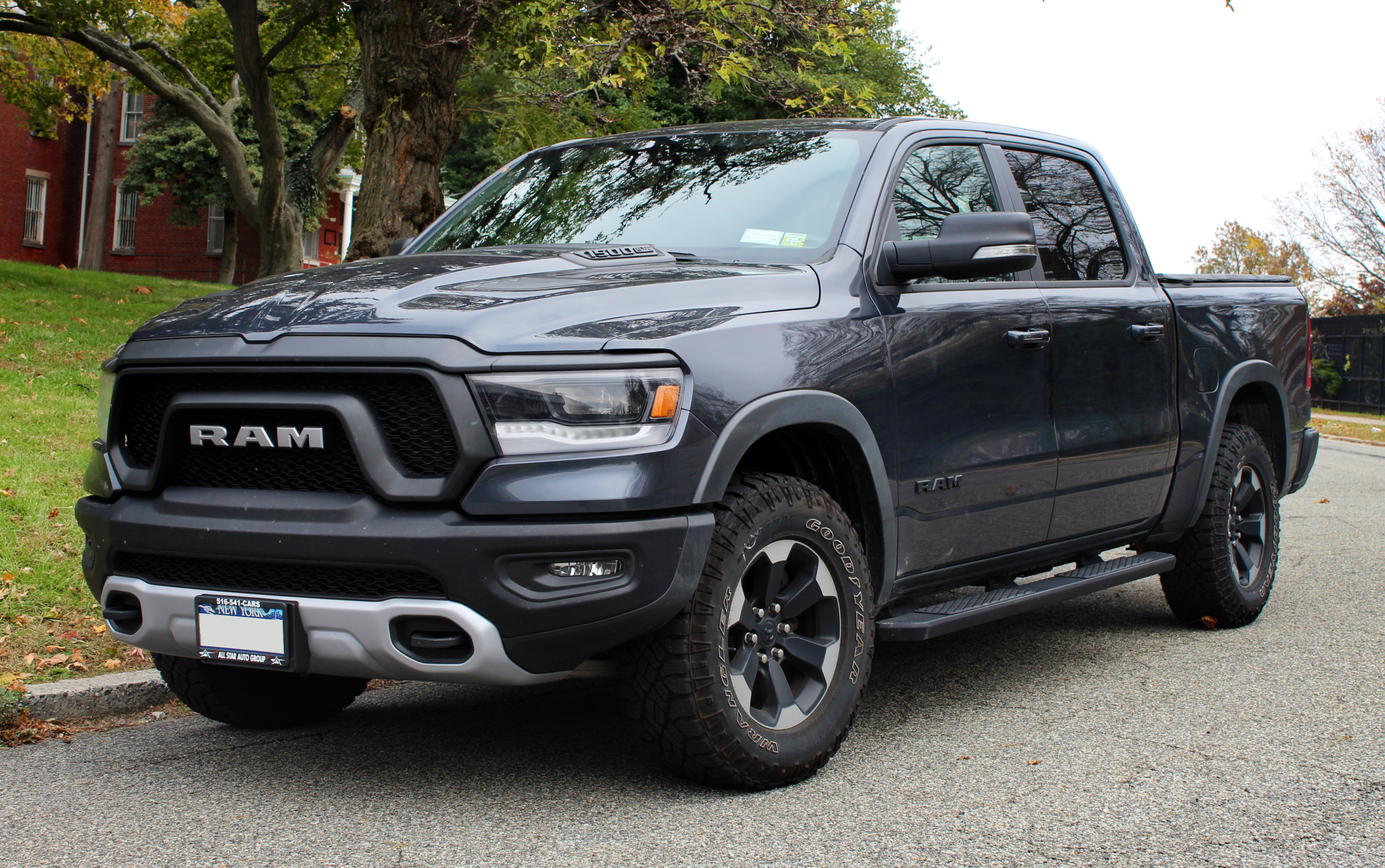
The 2025 Ram 1500 presents a sharp regulatory contrast: six software-related faults have prompted safety recalls, while its Hurricane engine has accumulated 22 powertrain or ignition-control software reflashes and revisions without an engine recall. Federal records also show no open defect investigation into the reported engine and powertrain pattern.

The distinction matters because a technical service bulletin is not a recall. A bulletin gives dealer technicians repair procedures for defined symptoms or diagnostic codes. A safety recall adds formal owner notification, a specified remedy and no-cost repair obligations that continue beyond the normal warranty period. Owners can check a specific truck through Mopar’s recall lookup using its vehicle identification number.
What the engine bulletins address
The latest documented activity concerns the truck’s 3.0-liter, six-cylinder Hurricane engine and its electronic controls. Technical service bulletin 18-072-26, dated July 22, 2026, covers multiple-cylinder and individual-cylinder misfire codes P0300 through P0306. It identifies an engine missing or running roughly as a possible customer symptom and directs dealers to perform a software reflash.
A subsequent bulletin, 18-077-26, dated August 19, states: “Flash: Powertrain Control Module (PCM) Updates. This bulletin involves reprogramming the PCM with the latest available software.” Across powertrain and ignition-control documents issued or revised between September 2024 and August 2026, 22 reflashes or revisions were identified.
That count does not necessarily represent 22 entirely separate defects or 22 updates applied to every truck. Revisions can supersede earlier dealer instructions, expand covered conditions or introduce a newer calibration. What the sequence does establish is sustained software-development and service activity around the powertrain’s electronic controls.
Complaints provide a signal, not a finding
The federal record for the 2025 Ram 1500 contains 337 owner complaints and 579 manufacturer communications. Of those complaints, 108 were classified as involving the engine, powertrain, fuel system or speed control. Nineteen reports mentioned misfire, shudder or rough running, compared with one for the 2024 model; 51 described stalling or shutting off, compared with 16 for the earlier truck.
Some accounts describe concerning low-mileage events. One complainant reported a flashing check-engine light, rough running and stalling at 280 miles. Another alleged that the engine stopped while the truck was moving and that multiple warnings appeared. These submissions are owner allegations, however, not independently verified defect findings. Their engineering value is as a pattern to compare with repair literature not proof of a common cause, fault rate or safety defect.
The bulletins strengthen the record only within their stated boundaries. They confirm that Stellantis issued software-based dealer procedures for specified misfire codes and drivability symptoms. They do not establish that every reported shutdown had the same cause, that a reflash failed to correct a particular vehicle or that the Hurricane has a safety defect requiring recall.
Why some software faults become recalls
The truck has eight recalls overall. Six concern software associated with the instrument cluster, trailer-tow module, rearview camera, tire-pressure display, stability control and headlights. Those campaigns show that software does not sit outside the federal recall system: code can affect a vehicle’s safety-related performance just as a physical component can.
Under 49 CFR Part 573, a manufacturer must submit a defect report within five working days after determining that a safety-related defect exists. The critical threshold is that determination. The available record does not show that Stellantis has made it regarding the Hurricane engine pattern, and it does not prove that the company violated recall requirements or that an engine recall is legally required.
Service bulletins and recalls therefore answer different questions. A bulletin addresses how technicians should diagnose or repair a known service condition. A recall reflects a determination that a defect is safety-related and activates a broader notification and remedy structure. Repair frequency alone does not automatically cross that legal threshold, although repeated calibration revisions and complaints involving loss of propulsion can reasonably attract regulatory and owner attention.
For now, the unresolved issue is classification rather than a confirmed cause: the 2025 Ram 1500 has formal recalls for six other software problems, documented dealer updates for Hurricane misfire and rough-running symptoms, and no open federal defect investigation into the reported engine pattern.
| More aerospace and engineering stories, right in your MSN feed. Follow AMI on MSN |
By Thomas Caldwell — AMI’s senior editor for mechanical and mobility engineering, covering vehicle electronics, systems integration, electrification, chassis systems, propulsion, and safety policy.