Tesla Targets 2026 Cybercab Customers, but Approvals and Delivery Numbers Remain Unsettled
Tesla wants to place Cybercabs with customers by the end of 2026, yet the vehicles now coming off its Texas production line are entering Tesla’s internal robotaxi fleet. The company has not announced how many Cybercabs could reach outside customers, provided a firm delivery schedule or completed the approval work it says is necessary for deployment.

That leaves a significant gap between production and public access. On October 22, Tesla vehicle-engineering vice president Lars Moravy said, “We are trying to get Cybercabs to customers by the end of this year, 2026.” His wording establishes a target, not a confirmed retail launch or binding delivery commitment.
Production has started, but the initial fleet remains internal
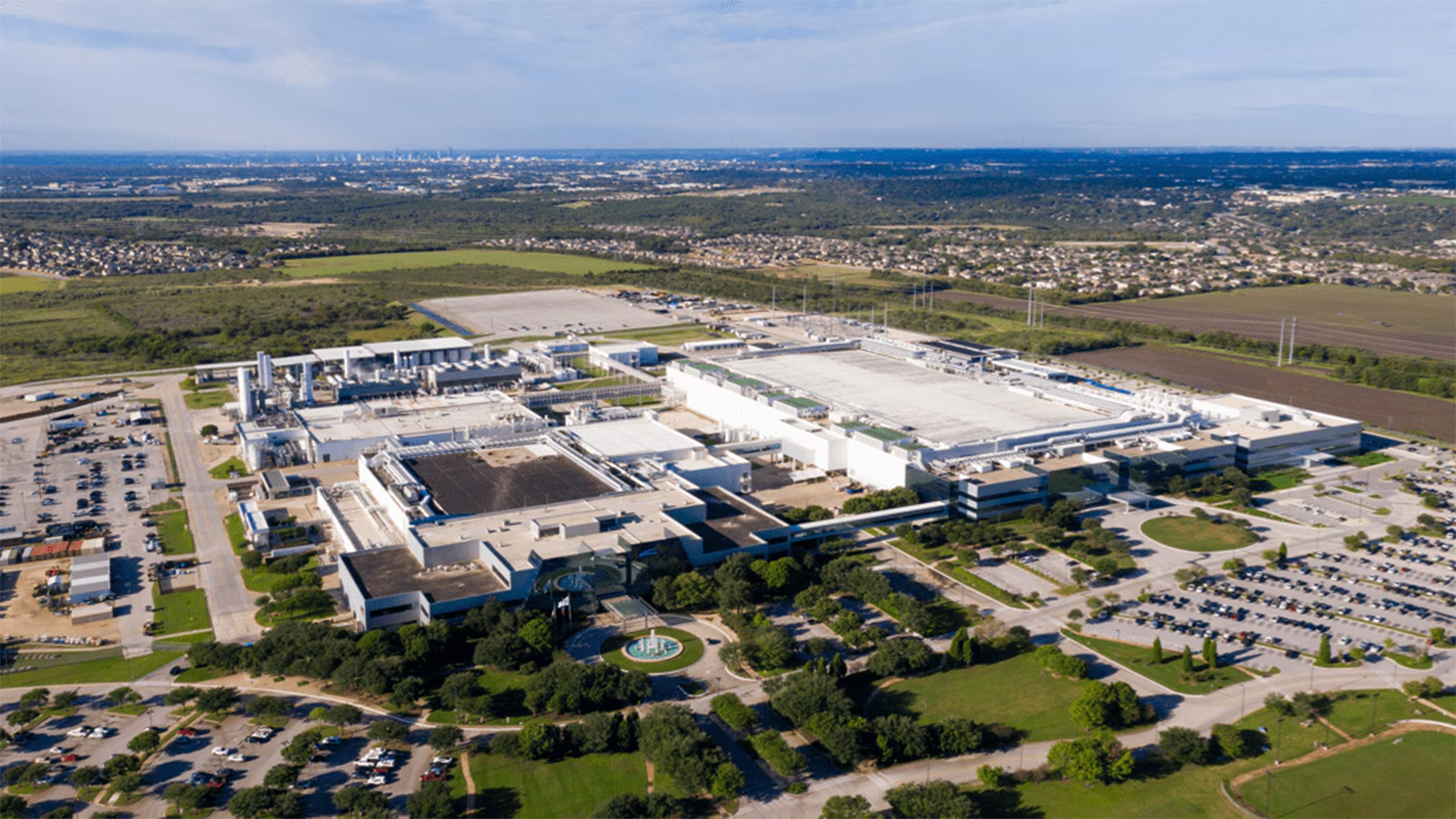
Tesla said Cybercab production began in April and that volume production remained on track to start during 2026. Moravy also clarified the destination of the vehicles currently being built: “Obviously we’re producing them on the line in Texas, but all of those are currently going into our own internal robotaxi fleet.”
The company has supplied no production figures that would let outsiders measure the ramp. CEO Elon Musk described early output as “agonizingly slow” before it could become “insanely fast,” but neither phrase establishes a unit rate, production milestone or customer allocation. Tesla also has not disclosed a customer-delivery count, retail price, driving range or battery capacity in the reporting surrounding the target.
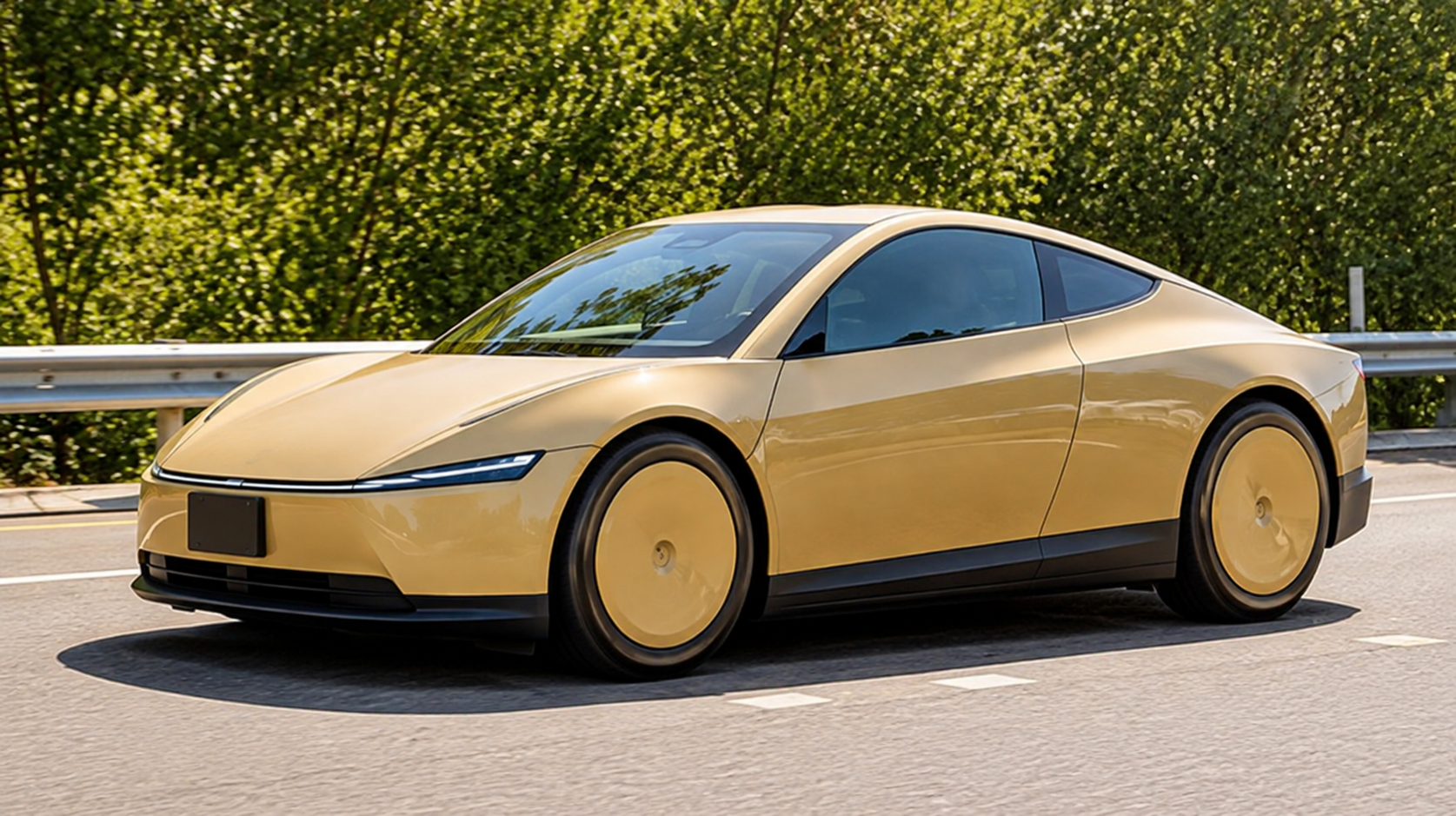
For a conventional vehicle launch, production and delivery can proceed once manufacturing, sales and compliance requirements are in place. Cybercab adds another systems-level constraint because it is a two-seat automated vehicle designed without a steering wheel or pedals. There is no conventional driver interface to serve as the fallback operating method.
Approval work remains an active constraint
Tesla AI chief Ashok Elluswamy said the company is working to obtain the approvals needed to deploy Cybercabs. Tesla did not identify the specific approvals, agencies involved or expected decision dates, so the remaining process cannot be mapped to a public timetable.
In the United States, the National Highway Traffic Safety Administration’s automated-vehicle framework distinguishes automated driving systems from the driver-assistance features available to consumers today. Manufacturers must comply with federal vehicle-safety standards and certify that their vehicles are free of unreasonable safety risks. Public-road operation can also involve state rules governing testing and deployment.
Vehicles without traditional controls can present a different compliance path from ordinary passenger cars. NHTSA has exemption programs for vehicles that do not conform to particular existing standards, while it also continues developing rules and guidance for automated vehicles. A recent temporary exemption allowing Zoox to commercially deploy up to 2,500 robotaxis annually for two years illustrates that approval can carry explicit fleet limits and oversight conditions. Tesla has not said whether its Cybercab plan depends on a comparable exemption or another regulatory route.
“Customers” may mean riders rather than owners
The other unresolved issue is who receives the first Cybercabs. Tesla has not clarified whether “customers” means private buyers, fleet operators, business partners or passengers using a ride-hailing service. Musk has said, “The vast majority of the Cybercab stuff will be essentially Tesla-owned and transport as a service.”
That description points toward a fleet-first business model. Under such an arrangement, a rider could become a Cybercab customer by purchasing transportation without buying or taking title to the vehicle. Tesla would retain the vehicle, manage deployment and carry the operating responsibilities associated with the service. It would therefore be possible for Tesla to meet some interpretation of customer access without beginning broad retail deliveries.
An internal fleet also gives Tesla tighter control over where vehicles operate, how they are maintained and how software or operational changes are introduced. That control is useful during an early deployment, but it means production volume alone cannot be treated as evidence that private ownership is imminent.
The year-end target now depends on three items Tesla has not quantified publicly: approval timing, the production ramp and the definition of a customer handover. Until those points are resolved, Cybercab’s clearest confirmed role remains the one Moravy described vehicles produced in Texas and assigned to Tesla’s own robotaxi fleet.
| More aerospace and engineering stories, right in your MSN feed. Follow AMI on MSN |
By Thomas Caldwell — AMI’s senior editor for mechanical and mobility engineering, covering vehicle electronics, systems integration, electrification, chassis systems, propulsion, and safety policy.