Boeing Moves 30 Active 777X Orders From Firm Backlog Amid Approval Delays
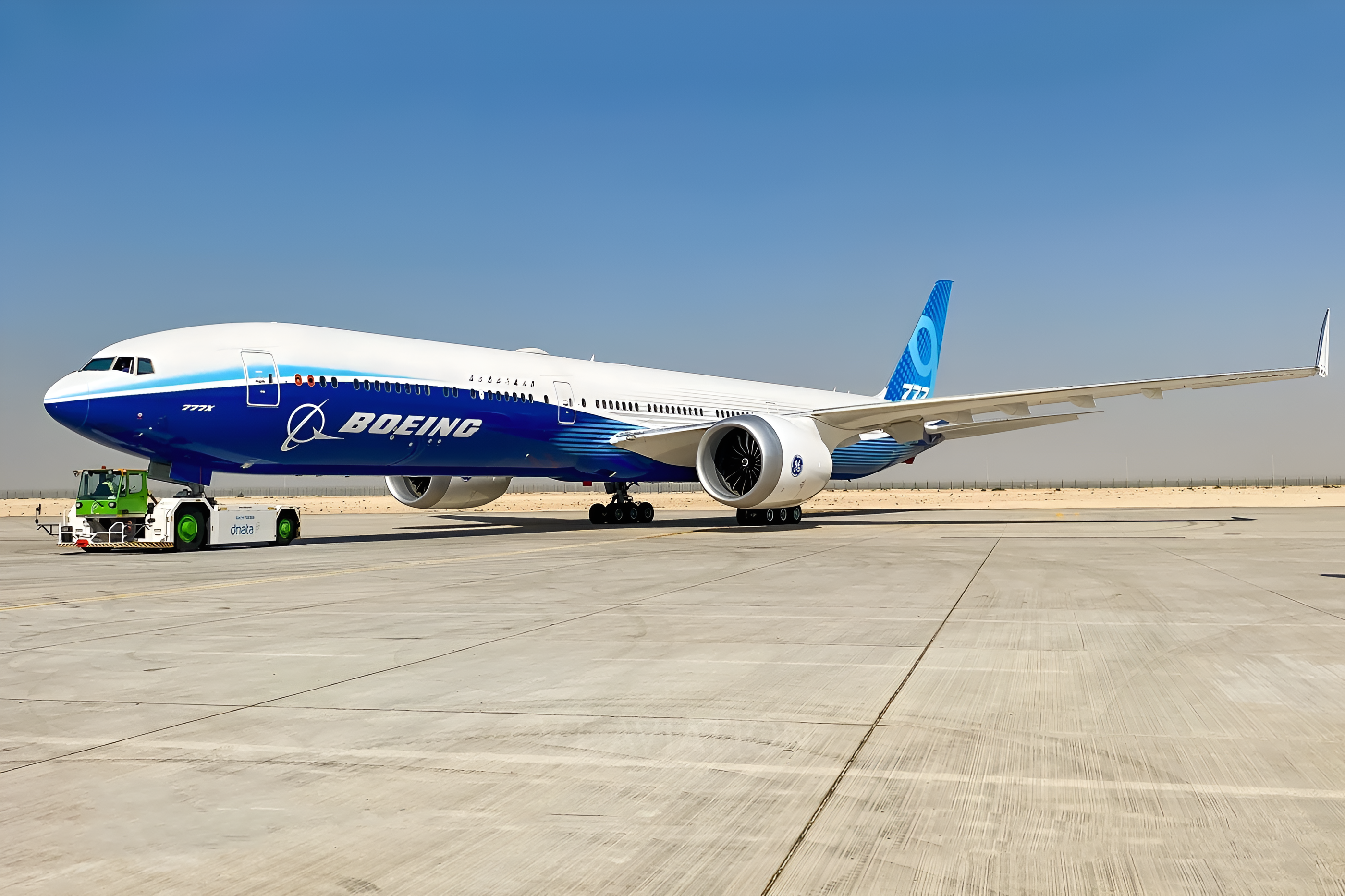
Thirty Boeing 777X orders remain active, but the manufacturer no longer counts them as firm. Boeing moved the aircraft into a separate accounting category as unfinished Federal Aviation Administration approvals continued to constrain the 777-9 flight-test program.
The adjustment appeared in Boeing’s third-quarter financial report filed with the US Securities and Exchange Commission on October 27. Boeing confirmed the change but declined to identify the customers involved or provide further details. The aircraft have not been cancelled; they have been moved into the company’s ASC-606 category, which covers orders that remain contractually active but are no longer considered sufficiently certain for inclusion in firm backlog.
The numbers show the full effect. Boeing ended September with 570 777X aircraft in backlog, down from 591 three months earlier. It secured nine new orders for the widebody during that period. Adding those nine orders and removing the 30 reclassified aircraft produces the reported total of 570.
Why an active order can leave the firm backlog
A commercial-aircraft order can remain in place while becoming less certain under revenue-recognition accounting rules. The distinction allows Boeing to separate deals it still holds from orders it judges less likely to meet the conditions required for firm accounting treatment.
That makes the change more limited than a cancellation, but still consequential. A firm backlog is the stronger measure for assessing expected demand and planning a production program that must coordinate customers, engines, suppliers, factory capacity and certification timing. Moving 30 aircraft out of that total makes the uncertainty visible rather than erasing the underlying agreements.
The shift is particularly notable because the 777X has not completed certification. Boeing chief executive Kelly Ortberg said on October 27 that “the balance” of the 777-9 flight-test program was on hold because required FAA approvals had not been received.
Aircraft certification is not a single final inspection. The FAA describes a multiphase process involving an agreed certification basis, compliance plans, ground and flight testing, inspections, engineering findings and final approval of the design. Delays in one required approval can therefore prevent later test work or final findings from proceeding even when other parts of the aircraft are ready.
An engine component remains a certification pacing item
One unresolved item involves the GE Aerospace GE9X turbofan, the engine used by the 777X family. GE redesigned the engine’s mid-seal and was seeking FAA approval for the change, with the company hoping to obtain that clearance by the end of 2026.
FAA officials said approval of the redesigned seal is required before the agency will issue the 777-9’s type certificate. The component also affects progress toward extended-range operating approval, a separate process governing long flights over areas where diversion airports may be distant. The seal approval therefore sits at the intersection of engine durability, aircraft certification and the remaining flight-test schedule.
This does not connect the accounting reclassification to a specific technical defect or identify certification delay as the reason any customer’s order became less certain. Boeing has not supplied that customer-level explanation. The two developments instead expose parallel constraints on the same program: 30 orders now carry less accounting certainty, while portions of the test campaign cannot advance without regulatory clearance.
Boeing’s companywide backlog increased from 6,341 aircraft at the end of September to 6,457 at the end of October, helped by 165 new orders during October. That broader increase does not reverse the narrower 777X change. The widebody program entered the period with 30 fewer aircraft recognized as firm, despite all 30 agreements remaining active.
The next concrete engineering milestone is FAA action on the GE9X mid-seal redesign. Until that approval and the other required authorizations arrive, Boeing faces an unusual combination: hundreds of 777X aircraft remain in backlog, but part of the certification campaign is paused and 30 uncancelled orders no longer qualify for its firm total.
| More aerospace and engineering stories, right in your MSN feed. Follow AMI on MSN |
By Thomas Caldwell — AMI’s senior editor for mechanical and mobility engineering, covering vehicle electronics, systems integration, electrification, chassis systems, propulsion, and safety policy.