USS Spruance Returns After Record 357 Days, Far Beyond Seven-Month Plan
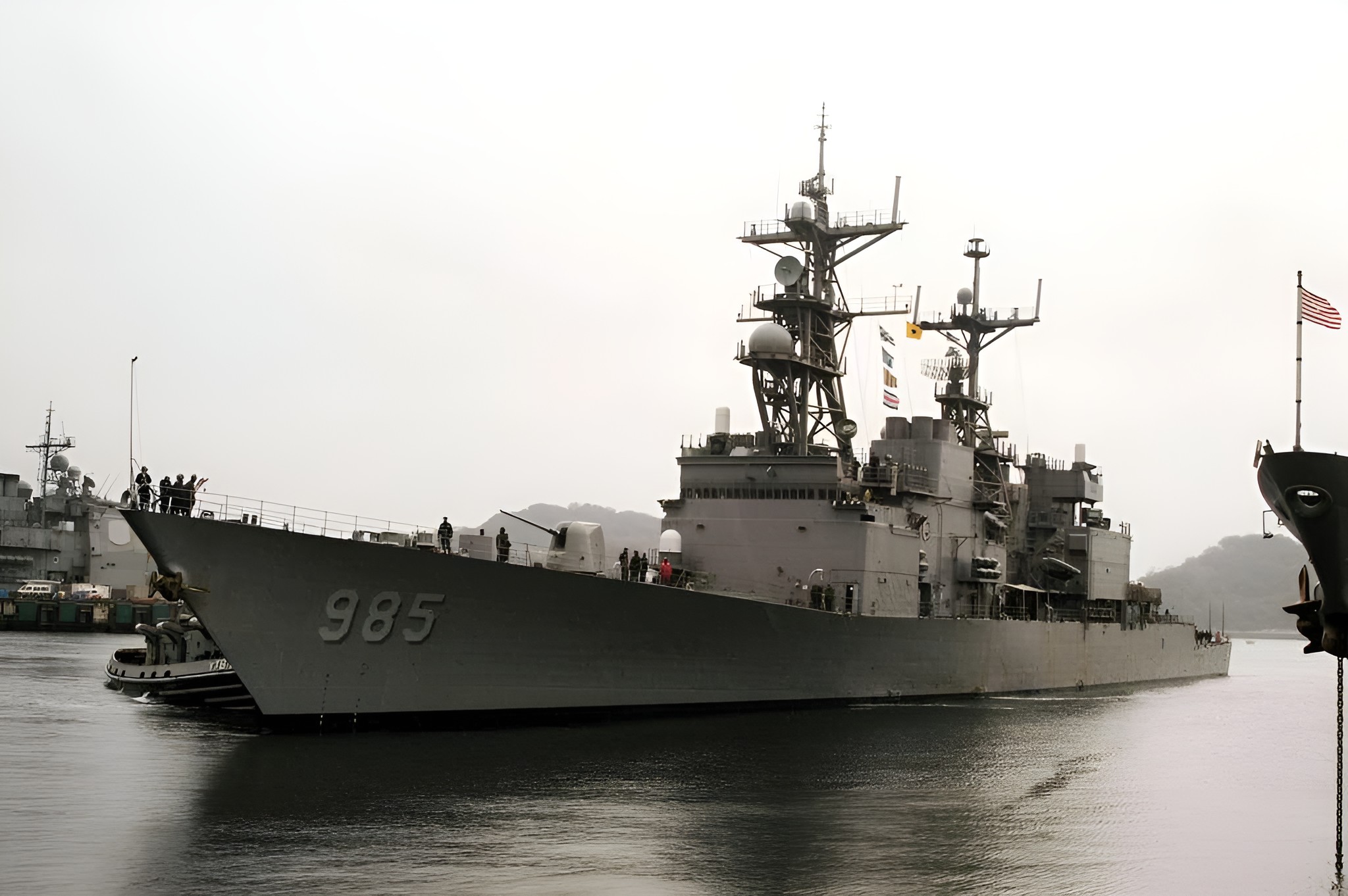
357 days. That is how long USS Spruance spent on deployment before returning to Naval Base San Diego on Friday, November 13, completing what was described as the Navy’s longest ship deployment since World War II. The Arleigh Burke-class guided-missile destroyer covered approximately 88,000 nautical miles after a planned seven-month assignment grew into nearly a year away for its sailors.

Spruance departed on November 21, 2025, with the USS Abraham Lincoln Carrier Strike Group. Its deployment was extended to support operations against Iran, and the destroyer remained in the Middle East after the carrier left the region in August. By the time Spruance arrived home, its 357-day deployment had surpassed the 333-day destroyer record set by USS McFaul only a month earlier.
The duration is more than a record-book entry. It represents sustained use of a destroyer, its crew and its embarked aviation detachment across operations for the Navy’s 3rd, 7th and 5th Fleets. Combat activity added to the workload, but the broader engineering and readiness story is the prolonged operation of a complex ship far beyond its original schedule.
A destroyer and helicopter unit used as one system
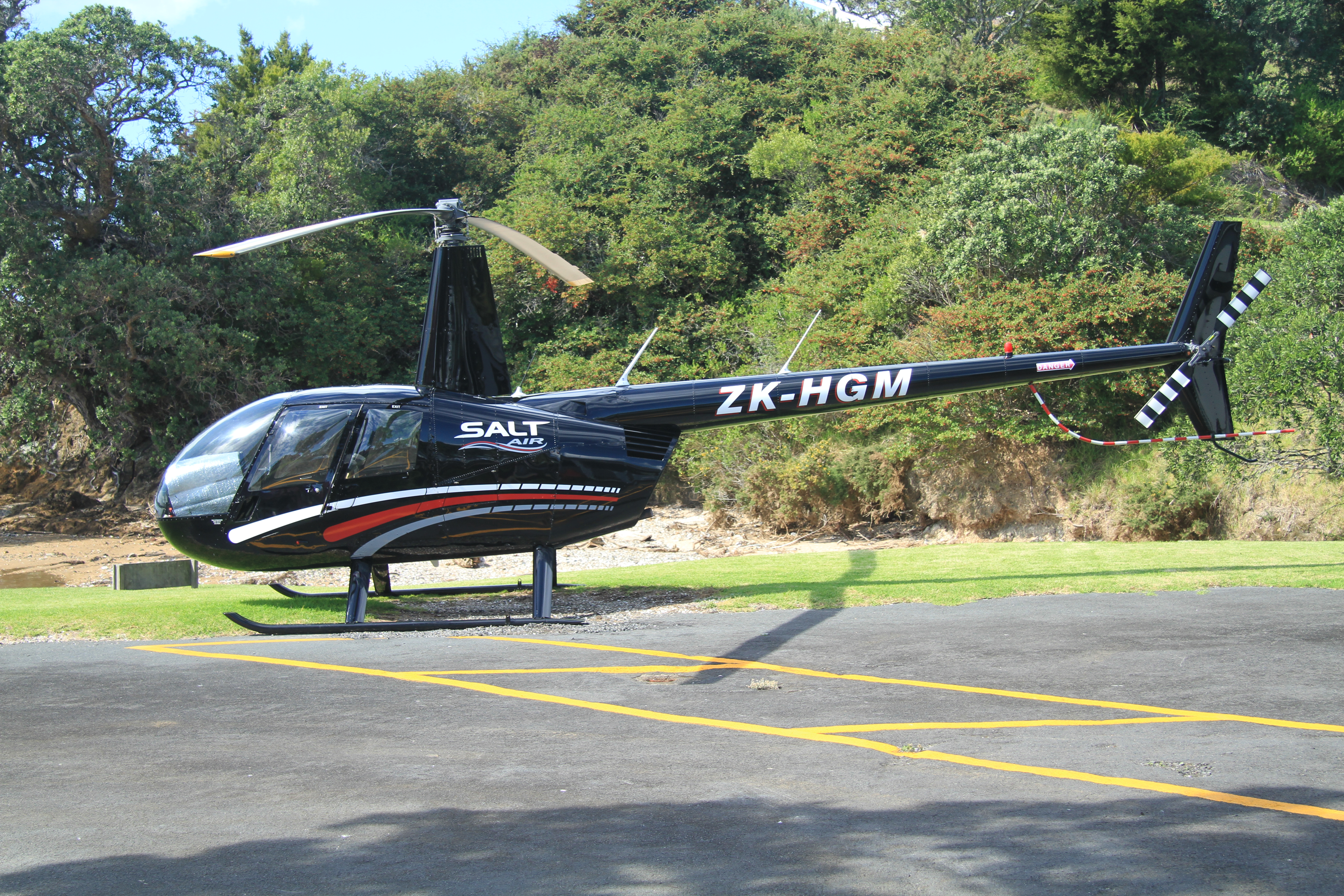
Helicopter Maritime Strike Squadron 71 stayed aboard Spruance for the full deployment and returned to San Diego with the ship. According to the Navy, the unit accumulated approximately 1,150 flight hours across 190 sorties an average of roughly six flight hours per sortie.
Those numbers capture only the airborne portion of embarked aviation. Each sortie also depends on deck handling, inspections, maintenance, fueling, parts support and coordination between the squadron and ship. Sustaining that work for 357 days places the helicopter detachment inside the destroyer’s overall maintenance and logistics burden rather than treating it as a separate passenger.
The ship’s 88,000 nautical miles similarly indicate more than distance traveled. Extended operation consumes scheduled maintenance margin and keeps propulsion, electrical, cooling, communications and hotel services working under recurring demand. The figures provided for the deployment do not establish the material condition of any individual system, but they give maintainers a quantified operating history to examine as Spruance moves into its next readiness phase.
The next workload begins at the pier
Returning home ends the deployment, not the recovery process. Post-deployment work must account for equipment condition, deferred maintenance, replenishment of supplies and the crew’s transition from an unusually long operational schedule. Inspections will determine which jobs fit into routine upkeep and which require deeper maintenance.
The Navy has already acknowledged that long deployments can create longer maintenance periods and disrupt availability cycles. Senior Navy leaders said in October that crews deploying with carrier strike groups should expect assignments of roughly 10 to 11 months for the next couple of years, rather than the traditional seven months. They also identified predictability as a major concern: sailors and families have more difficulty planning when a nominal seven-month deployment is extended repeatedly.
Spruance is an extreme example of that tension. Its sailors left expecting about seven months away and instead remained deployed for 357 days. USS Michael Murphy returned to Hawaii one day before Spruance after its own 11-month deployment, showing that the strain was not confined to one hull.
Crew recovery is therefore a readiness requirement alongside ship maintenance. A recent study using survey responses from nearly 16,000 sailors found that personnel across several surface-ship classes reported an average of about 5.4 hours of sleep per day while underway, compared with 7.7 hours they said they needed to feel rested. Those fleet-wide findings are not measurements of the Spruance crew, but they illustrate why rest management and post-deployment support become more consequential as time away grows.
The service is also pursuing ways to shorten parts delays during maintenance. In one separate Arleigh Burke-class case, a Navy additive-manufacturing process produced two replacement jet-pump components in about two months, cutting the normal timeline by more than 80 percent. Spruance’s maintenance requirements have not been detailed, but such approaches show why supply-chain speed matters when heavily used ships must return to the rotation.
For Spruance, the record now shifts from deployment statistics to recovery performance. The Navy sustained the destroyer for 357 days and 88,000 nautical miles; the next measure is how much crew recovery and maintenance that extraordinary utilization requires before the ship is ready to deploy again.
| More aerospace and engineering stories, right in your MSN feed. Follow AMI on MSN |
By David Whitaker — Associate editor for AMI’s aerospace and drone systems desk, translating flight systems, aircraft programs, spaceflight, and UAV developments into accessible technical stories.